Breakfast & Brunch
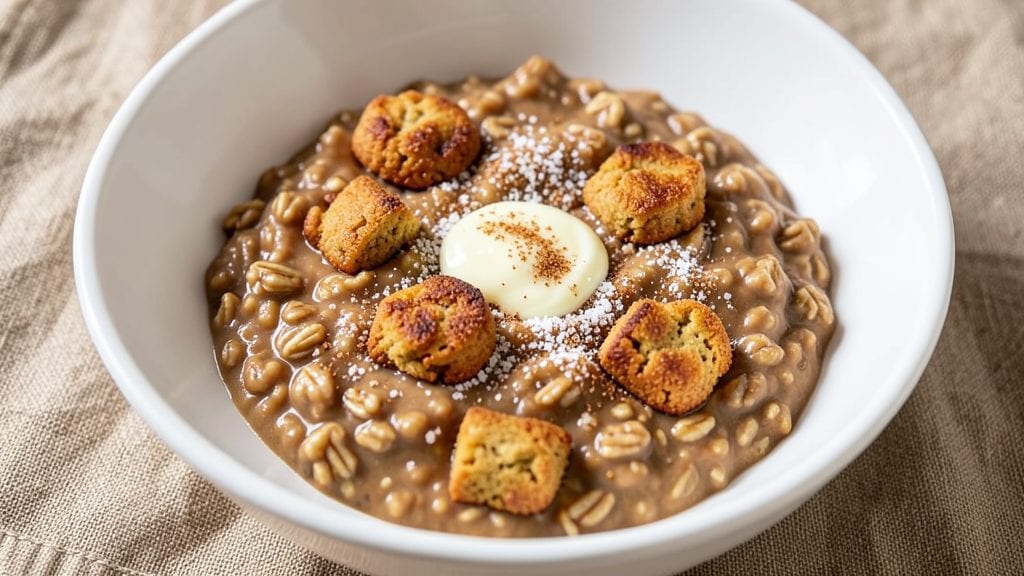
This boiled oatmeal cookies recipe transforms humble oats and butter into a layered dessert that's both comforting and sophisticated—think tender oatmeal base with crisp, chewy cookie edges.
The secret lies in boiling the dough like a soft cookie, then baking it just enough to create that perfect contrast between soft and firm textures. I developed this recipe after years of experimenting with oatmeal-based desserts, finally achieving the ideal balance of chewiness and melt-in-your-mouth tenderness.
The beauty of this recipe is its versatility—serve it warm with a drizzle of honey and toasted nuts for breakfast, or chill it overnight for a no-bake dessert with yogurt and berries. The vanilla-infused butter creates rich, aromatic layers, while the oatmeal adds natural sweetness and hearty texture.
What makes these cookies truly special is how they defy expectations: they're not just cookies or just oatmeal, but a harmonious blend that works for any meal.
By the time you pull them from the oven, you'll have golden-brown cookies with a crisp exterior and a soft, almost custard-like center—perfect for scooping up with a spoon. The recipe uses simple pantry staples but delivers restaurant-quality results with minimal effort.
Whether you're baking for a cozy morning treat or a festive dessert, these cookies will impress without requiring advanced techniques.
Pair them with your favorite tea or coffee for a breakfast that feels indulgent, or serve chilled with whipped cream for a dessert that's light yet satisfying. The possibilities are endless, but the method remains foolproof—just follow the steps, and you'll achieve that ideal texture every time. Let's get baking!
Ingredients for boiled cookies oatmeal
Pantry staples meet buttery vanilla magic—just 13 ingredients for cookies that defy expectations.
| Ingredient | Amount | Notes |
|---|---|---|
| Old-Fashioned Rolled Oats 🌾 | 1 ½ cups | Uncooked, not instant |
| Unsalted Butter 🧈 | 1 cup | Cold, cut into pieces |
| Granulated Sugar 🍚 | 1 cup | White or light brown |
| Packed Light Brown Sugar 🍚 | ½ cup | For chewy texture |
| Large Eggs 🥚 | 2 whole | Room temperature |
| Pure Vanilla Extract 🍯 | 2 tsp | High-quality preferred |
| Ground Cinnamon 🌿 | 1 tsp | Freshly ground preferred |
| Ground Nutmeg 🌿 | ½ tsp | Freshly grated nutmeg |
| Sea Salt 🧂 | ¼ tsp | Fine grain preferred |
| All-Purpose Flour 🌾 | 1 ½ cups | Sifted for lightness |
| Milk 🥛 | ½ cup | Whole milk preferred |
| Honey 🍯 | 2 tbsp | For drizzling (optional) |
| Toasted Chopped Walnuts 🥜 | ½ cup | For garnish (optional) |
The oats are the star here. Bob's Red Mill or Quaker Old-Fashioned are my go-tos—they’re uniformly rolled and toast perfectly. If you’re using instant oats, skip the toasting step, but they won’t give the same texture. The butter needs to be cold and cut into pieces—this ensures the dough stays firm enough for boiling. I always grab Land O’Lakes unsalted butter from the store, but any brand works. For the sugars, light brown adds chewiness, while white keeps things tender. Domino or C&H are reliable for both.
No vanilla extract? Vanilla bean paste at half the amount works wonders—just scrape out the seeds. Short on nutmeg? Allspice at the same quantity gives a similar warmth. The milk can be swapped for cream or buttermilk if that’s what you’ve got, but whole milk keeps the texture just right. For the walnuts, toast them in a dry pan for 3-5 minutes until fragrant—Trader Joe’s pre-toasted ones are a lifesaver if you’re short on time. The honey drizzle is optional but adds a lovely contrast to the buttery richness.
These cookies keep for 5 days in an airtight container at room temperature, but they’re best enjoyed fresh. If you’re making them ahead, boil the dough and chill it overnight—it actually improves the texture. Store leftovers in the fridge for up to 1 week, though they’re so good, they won’t last that long. For a no-bake dessert, serve chilled with a dollop of vanilla yogurt and fresh berries—trust me, it’s a game-changer.
Why You'll Love This Recipe
- Five-Ingredient Magic: I swear by this recipe—just oats, butter, sugars, and eggs. No fancy pantry trips, no last-minute store runs. The butter and brown sugar alone make it taste like a hug in bowl form, and honestly? That’s all you need.
- Caramelized Cookie Vibes: The moment those oats hit the boiling water, they turn into something almost cookie-like—chewy, buttery, and with that perfect balance of sweetness from both sugars. It’s like dessert sneaking into breakfast, and I’m here for it.
- Meal Prep MVP: Make a big batch on Sunday, and you’ve got breakfast covered for days. The texture stays great when reheated, and it’s the kind of thing my kids will actually eat before school—no begging required. (Yes, even on a Tuesday night.)
- Budget Breakfast Win: Old-fashioned oats and eggs are about as affordable as it gets, and this recipe stretches every ingredient. I’ll be real: it’s the kind of dish that makes me feel like I’m treating myself, even when I’m just scraping the bottom of my wallet.
Step-by-step instructions for boiled oatmeal cookies
Here's how to create these chewy, buttery cookies with a perfect oatmeal texture and vanilla-spiced layers.
Prepare the Oatmeal Base
In a medium saucepan, combine the 1.5 cups old-fashioned rolled oats with the 1 cup milk. Bring to a gentle boil over medium heat, then immediately reduce to a simmer. Cook for 5-7 minutes, stirring occasionally, until the mixture thickens and becomes creamy. You'll notice the oats soften and release a nutty aroma—this is your signal to remove from heat.
Transfer the oatmeal mixture to a bowl and let it cool completely. While it cools, toast the 0.5 cup toasted chopped walnuts in a dry skillet over medium heat for 2-3 minutes until fragrant. Set aside—these will add a delightful crunch to each bite. The cooled oatmeal should be thick enough to hold its shape when dropped from a spoon, but still soft enough to blend smoothly.
Cream Butter and Sugars
In a large mixing bowl, combine the 1 cup unsalted butter (cut into pieces), 1 cup granulated sugar, and 0.5 cup packed light brown sugar. Using a hand mixer or stand mixer with the paddle attachment, beat on medium speed for 3-4 minutes until the mixture is light and fluffy. You're looking for a color change from pale to a lighter shade—this indicates air has been incorporated, which will create that signature chewy texture.
The butter should be fully creamed with no visible lumps, and the mixture should nearly double in volume. If it feels too soft, chill the bowl in the refrigerator for 10 minutes to firm up slightly before proceeding. This step is crucial for achieving the perfect balance of chewiness and tenderness in your cookies.
Add Eggs and Flavorings
Add the 2 whole large eggs (at room temperature) one at a time, mixing well after each addition. Then stir in the 2 teaspoons pure vanilla extract, 1 teaspoon ground cinnamon, 0.5 teaspoon ground nutmeg, and 0.25 teaspoon sea salt. Mix until just combined—you should see a smooth, well-blended batter with a rich, spiced aroma.
Now add the cooled oatmeal mixture and mix until fully incorporated. The batter will be thick and slightly sticky, almost like a dough. If it feels too dry, add 1-2 teaspoons milk to loosen it. Fold in the 0.5 cup toasted chopped walnuts by hand using a rubber spatula, ensuring even distribution throughout the mixture.
Shape and Boil the Cookies
Bring a large pot of water to a gentle boil. Using a tablespoon or small cookie scoop, drop 1-tablespoon portions of dough into the boiling water. Cook for 2-3 minutes until the cookies float to the surface and are golden brown on all sides. Use a slotted spoon to remove them and place on a paper towel-lined plate.
Repeat with the remaining dough, working in batches so the water doesn't cool down. The key here is patience—don't overcrowd the pot, as this can lower the water temperature and result in uneven cooking. The cookies should be soft and tender when removed, with a slight sheen from the boiling water.
Drizzle and Serve
While the cookies are still warm, drizzle each one with 1 teaspoon honey using a small spoon or squeeze bottle. The honey will create a beautiful glaze that adds a touch of sweetness and shine. Let the cookies cool on the plate for 5 minutes before transferring to a wire rack to cool completely.
These boiled oatmeal cookies will keep well in an airtight container for up to 5 days at room temperature, though they're best enjoyed fresh. The combination of chewy oatmeal, buttery richness, and warm vanilla-spice flavors makes these a perfect treat for any occasion. Serve with a cup of tea or coffee for the ultimate cozy experience.
Pro Tips For Making Boiled Cookies Oatmeal
- Boil the Oatmeal Slow: You’re not making soup—this is oatmeal, so simmer it at a gentle bubble, not a rolling boil. If you crank the heat, the oats turn to mush instead of creamy. I learned this the hard way when my first batch looked like glue.
- Brown the Butter First: That nutty, caramelized butter flavor? Non-negotiable. Brown the butter until it smells like toasted nuts, then cool it before mixing into the oats. Skimp here, and your cookies taste bland—trust me, your taste buds will notice.
- Whisk Eggs Until Thick: Don’t just crack them in—whisk the eggs until they’re thick and pale, like pudding. This keeps the cookies from spreading into sad, flat pancakes. I used to rush this, and my cookies always ended up looking like hockey pucks.
- Chill the Dough: Yes, even if you’re impatient like me. Let the oatmeal mixture sit for at least 10 minutes before baking. The dough firms up, and your cookies hold their shape instead of oozing into a gooey mess. Patience here = better cookies.
Dietary considerations for this boiled cookies oatmeal
Gluten-Free Adaptation
Swap the all-purpose flour for a 1:1 gluten-free baking flour blend like Bob's Red Mill or King Arthur Measure for Measure. Use the same 1.5 cups measurement, but add ½ teaspoon xanthan gum to mimic gluten's binding properties.
The oatmeal base remains unchanged, but the texture will be slightly denser. For extra moisture, increase the milk to ⅔ cup—gluten-free doughs tend to dry out faster. 🌾
Vegan-Friendly Swaps
Replace the 1 cup butter with 1 cup vegan butter (like Miyoko's or Earth Balance), and use flax eggs (1 tbsp ground flaxseed + 3 tbsp water per egg). The oatmeal base stays the same, but the binding will be slightly different.
For richness, add 1 tbsp coconut oil to the butter substitute. The honey drizzle can be replaced with agave syrup for a vegan option.
Lower-Sugar Options
Reduce the granulated sugar to ½ cup and the brown sugar to ¼ cup, then add ¼ cup unsweetened applesauce to the oatmeal base. This maintains moisture while cutting sugar by 40%.
For extra sweetness, use 1 tbsp maple syrup in place of honey. The cookies will still be tender but slightly less sweet—perfect for a lighter treat. 🍯
Nut-Free Alternative
Skip the walnuts entirely and replace them with ½ cup dried cranberries (chopped) or ½ cup chocolate chips for a nut-free option. If you want crunch without nuts, add ½ cup toasted coconut flakes instead.
The texture contrast remains, but the flavor profile shifts to something more fruit-forward or chocolatey. Always check labels for cross-contamination warnings if nut allergies are a concern.
Dairy-Free Adjustments
Use unsweetened almond milk or oat milk in place of regular milk for the oatmeal base, and ensure your butter substitute is dairy-free. The texture may be slightly lighter, so add 1 tbsp cornstarch to the oatmeal mixture to help thicken it.
For extra richness, fold in 2 tbsp dairy-free cream cheese (like Kite Hill**) when mixing the dough. The result is just as creamy but entirely dairy-free. 🥛
Nutrition facts
Frequently asked questions
Why do these cookies need to be boiled first?
The boiling step creates a unique texture—soft, almost custard-like centers with crisp edges. This method mimics traditional Scandinavian techniques where dough is poached in water before baking. The boiling helps set the oatmeal base while keeping the interior tender. Without boiling, they'd be more like traditional oatmeal cookies without that signature chewy contrast.
Can I make these cookies ahead of time?
Prepare the dough up to 2 days in advance and refrigerate it. For best results, boil and drizzle the cookies 4 hours before serving so the honey glaze sets properly. They also freeze beautifully—place cooled cookies in a single layer on a tray, freeze for 1 hour, then transfer to a bag for up to 3 months. Thaw at room temperature before serving.
What if my dough is too sticky to handle?
If the dough feels too wet, gradually add 1-2 tablespoons of all-purpose flour (or gluten-free blend) until it becomes workable. For extra insurance, chill the dough for 30 minutes before boiling. The oatmeal base absorbs more moisture than traditional cookie dough, so don't be afraid to adjust. The key is finding that perfect balance between sticky (for chewiness) and firm (for shaping).
How do I prevent the cookies from sinking in boiling water?
Use a gentle boil—water should have small bubbles but not be rolling. Overcrowding the pot lowers the water temperature, causing uneven cooking. Work in small batches (no more than 8 cookies at a time) and use a slotted spoon to remove them immediately when they float. The cookies should be golden brown in 2-3 minutes. If they sink, your water may be too hot or the dough too dense.
Can I use quick oats instead of old-fashioned rolled oats?
Quick oats will work, but they'll create a slightly denser texture. For best results, use old-fashioned rolled oats—they maintain their shape better during boiling and create that signature chewy bite. If you must use quick oats, reduce the milk by 2 tablespoons to compensate for their higher moisture content. The flavor will be similar, but the texture will be more compact.