
Welcome to Cookie Recipes Stack
You’ve got a recipe in hand—maybe it’s a family heirloom or a find from a bustling café—but when you try it, something goes wrong. The layers don’t hold. The flavors clash. The texture is all wrong. Most sites blame you for the oven’s quirks or your inexperience. We don’t.
Every recipe here is built to survive the chaos of real kitchens, where dough sticks to pans, butter burns before the timer rings, and the kids demand snacks at 3:03 PM.
This is where layered dough meets folded flavor. Where a recipe isn’t just instructions, but a conversation starter, a lesson in patience, and a shortcut to something extraordinary. Whether you’re baking for the first time or the hundredth, you’ll find what you need—and what you didn’t know you were missing.
Our story
The first time Sylvia Janowski burned cookie dough, she was eight years old, sneaking bites from a tray on the stove while her grandmother pretended not to notice. The kitchen smelled like caramelized sugar and regret.
That same dough—now a recipe—became the first entry in what started as a handwritten notebook. Years later, that notebook turned into a website, but the problem stayed the same: most recipes assumed a perfect kitchen, a patient cook, and no interruptions.
The turning point came at 4:17 PM on a Tuesday in Portland. A reader emailed to say their cinnamon rolls had turned out like ‘edible hockey pucks’ after following a ‘foolproof’ recipe.
That night, Sylvia rewrote the steps—adding a rest time, adjusting the yeast, and testing it in three different ovens. The next morning, the reader sent back photos of golden, fluffy rolls. That small win became a rule: no recipe leaves here until it’s been made wrong at least once.
Today, the site is a stack of recipes built on real mistakes, real kitchens, and the understanding that cooking is equal parts science and instinct.
The tagline—*Layered dough, folded flavor*—is a promise: every recipe hides a lesson, whether it’s how to fix a collapsed pie crust or why a pinch of salt makes all the difference.
What we stand for
We believe a recipe should work the first time—even if your oven runs hot, your hands are sticky, or the kids are hungry now. That means no vague measurements, no ‘taste as you go’ instructions, and no assumptions about your equipment.
Every step is designed to survive the mess of real cooking.
What you will always get here
- Recipes tested in real kitchens, not just theory.
- Clear explanations for why each step matters.
- Adjustments for common mistakes (and how to fix them).
- A focus on flavor, texture, and the stories behind the dishes.
Meet the team

Behind every recipe is a team that treats cooking like a craft—not a performance. We’re not chefs with Michelin stars or food writers with bylines. We’re the people who’ve burned the crust, overmixed the batter, and still come back for more.
Our work is built on the idea that the best recipes are the ones that teach you something, whether it’s how to fold egg whites properly or why a Dutch oven makes all the difference.
Sylvia Janowski
Sylvia Janowski is the founder and editor of *Cookie Recipes Stack*, though she’d rather be described as the person who still keeps a spatula under her pillow ‘just in case.’ Her background is in food writing and community organizing, but her real education came from years of testing recipes in kitchens that ranged from a college apartment with a single burner to her grandmother’s farmhouse, where the oven thermometer was always wrong.
She has a habit of misjudging baking times—usually by ten minutes—and a desk cluttered with recipe cards, a scale that never gets zeroed properly, and a jar of ‘emergency’ vanilla extract.
What sets her work apart is the way she bridges tradition and innovation. She’ll teach you how to make a perfect soufflé, then show you how to adapt the technique for a weeknight dinner.
Her recipes aren’t just about the end result; they’re about the process, the small adjustments that turn a good dish into a great one. And if there’s one thing you’ll notice in her writing, it’s the way she treats mistakes as part of the story—not failures, but lessons in disguise.
I don’t believe in ‘foolproof’ recipes. I believe in recipes that account for the fact that life—and kitchens—are messy. The goal isn’t perfection; it’s understanding. If a recipe can’t survive a distracted cook, a faulty oven, or a sudden craving for snacks, it’s not worth writing down.
Sylvia Janowski
How we create our content
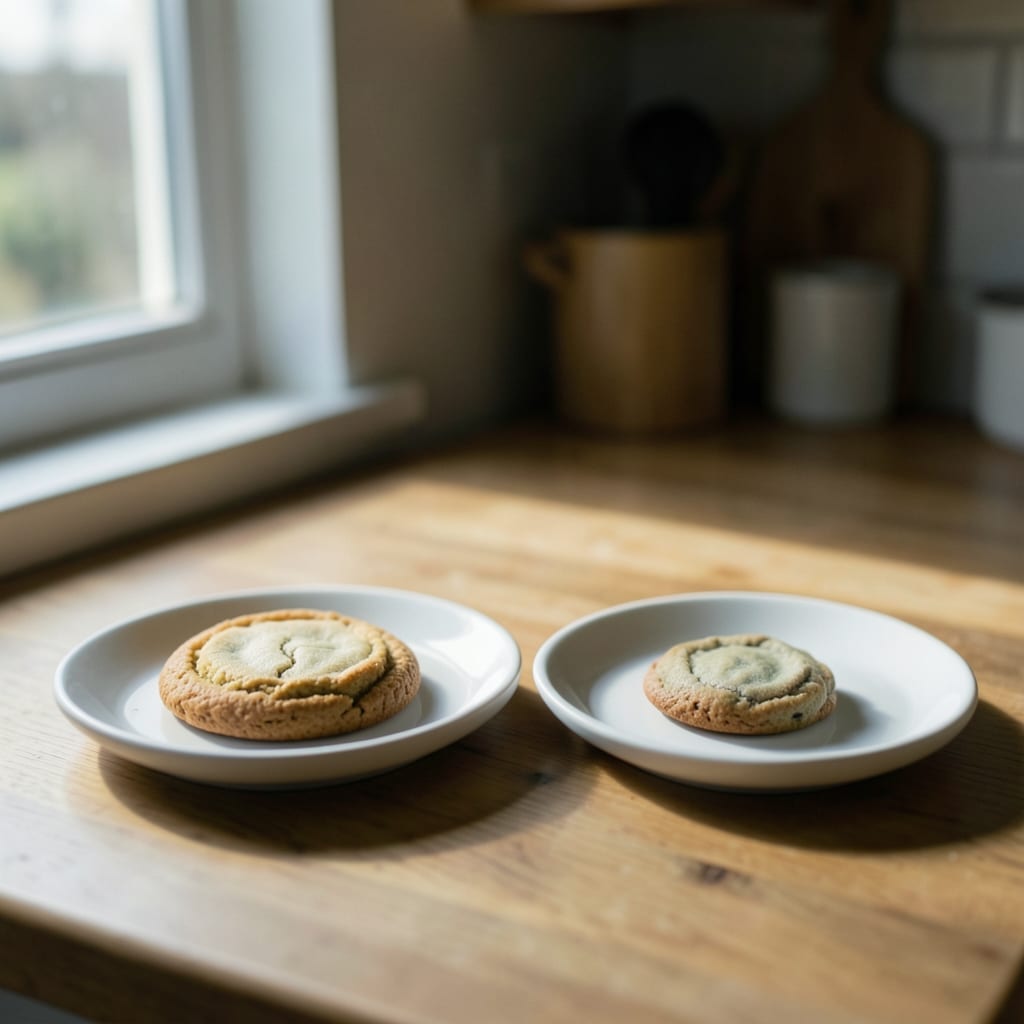
Every recipe here starts with a question: *What’s the one thing that usually goes wrong with this dish?* Whether it’s a cake that cracks, a sauce that separates, or a cookie that spreads too thin, we begin by identifying the weak spot.
Then we test—again and again—until we’ve found a version that works, even when things don’t go as planned.
The first draft: testing in real conditions
The first round of testing happens in three kitchens: a compact apartment with a broiler that smokes, a rental with an oven that runs 25°F hotter than the dial says, and a farmhouse kitchen where the windows are always open.
We use the same ingredients each time—no substitutions, no shortcuts—just to see where the recipe breaks down. For example, a chocolate chip cookie recipe might be tested with butter straight from the fridge, butter softened at room temperature, and butter that’s been sitting out for an hour.
The goal isn’t to find the ‘best’ version; it’s to find the version that works *most* of the time.
We also test with volunteers who’ve never baked before. If a recipe can’t survive a first-timer’s mistakes—like overmixing the dough or opening the oven too soon—it gets rewritten.
This is where the ‘lessons’ in our tagline come from: the notes on why resting the dough matters, or how to tell when a cake is *really* done. By the time a recipe leaves this stage, it’s been made wrong on purpose at least three times.
The second draft: fixing the flaws
The second stage is about fixing what couldn’t be predicted. If the cookies still spread too much, we adjust the butter ratio. If the pie crust shrinks back, we add an extra minute of chilling.
This is where the ‘real kitchen’ adjustments happen: swapping a 9-inch pan for an 8-inch, using a handheld mixer instead of a stand mixer, or baking in a glass dish when the recipe calls for metal.
Every change is documented, so you’ll always see notes like *‘If your oven runs hot, reduce time by 5 minutes’* or *‘For higher altitudes, add 1 tablespoon of flour.’*
The final test? Making the recipe again—this time with a timer running, no distractions, and a strict ‘no peeking’ rule for the oven. If it still doesn’t work, we toss it. If it does, we add one last thing: a story.
Not about us, but about the people who’ve tried it before you. Maybe it’s the reader who sent in a photo of their lopsided tart, or the note from a grandparent who’s used the recipe for 20 years.
Because the best recipes aren’t just about the end result; they’re about the hands that made them.
Join our community
This site is built on the idea that cooking is better when you’re not doing it alone. Here, you’ll find answers to questions like *‘Why did my meringue weep?’* or *‘How do I fix a cake that’s sunk in the middle?’*—plus tips from other readers who’ve been there.
We also collect your suggestions: the recipes you’ve perfected, the techniques you wish you’d known sooner, and the dishes that bring your table to life.
If your version of grandma’s pie crust or your neighbor’s secret spice blend is worth sharing, we want to hear it. (And yes, we’ll test it.)
Let's connect
We love hearing about the recipes you’ve tried, the disasters you’ve survived, and the dishes that remind you of home. Whether it’s a photo of your first successful soufflé or a story about the time your cookies turned into ‘edible hockey pucks,’ share it with us.
You’ll find the contact page waiting to hear from you—no email address needed.
The recipes are grouped by category: Appetizers, Beverages, Breakfast & Brunch, Desserts, Main Courses and Salads.