
Desserts
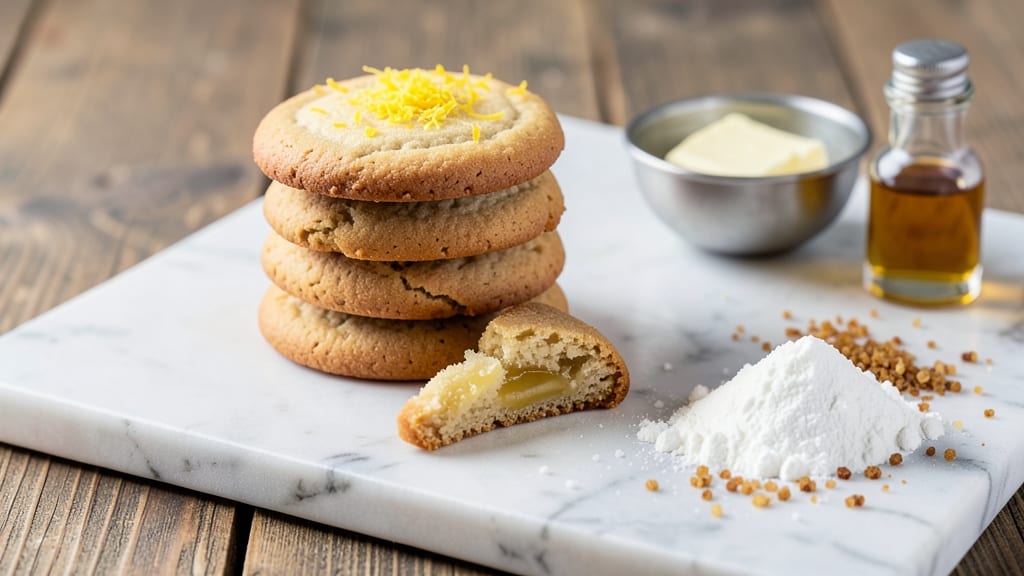
This basic shortbread cookie recipe delivers the perfect balance of buttery richness and delicate crunch in just 10 minutes of active time—no fancy techniques required. The secret lies in cold butter and precise mixing, which creates those signature tender layers and crisp edges that define classic shortbread.
I’ve baked these for holidays, gifts, and everyday cravings, and they never fail to impress.
The process is simpler than you’d think: combine cold butter, flour, and sugar until the dough forms a smooth ball, then chill for 30 minutes to firm up. This step is non-negotiable—it prevents spreading and ensures clean edges when you cut your cookies.
The dough’s simplicity makes it forgiving for beginners, while the results are undeniably professional.
What you’ll end up with are golden, buttery cookies with a melt-in-your-mouth texture and a satisfying crunch. The aroma of vanilla (if you choose to add it) fills the kitchen as they bake, and the finished product holds its shape beautifully.
These cookies stay fresh for days in an airtight container, making them ideal for meal prep or gifting.
For variations, try adding lemon zest or finely chopped nuts, but the classic version—just butter, flour, and sugar—is where the magic truly lies. Let’s get baking!
Ingredients for basic shortbread cookie
Cold butter, flour, and sugar—just three ingredients for golden, melt-in-your-mouth shortbread perfection.
| Ingredient | Amount | Notes |
|---|---|---|
| Unsalted Butter 🧈 | 1 cup | Cold, cubed, high-fat content |
| All-Purpose Flour 🌾 | 2 cups | Sifted, bleached or unbleached |
| Granulated Sugar 🍚 | ¼ cup | Superfine preferred for smoothness |
| Pure Vanilla Extract 🌸 | 1 tsp | Optional, high-quality preferred |
| Diamond Crystal Kosher Salt 🧂 | ¼ tsp | Fine grain preferred |
| Lemon Zest 🍋 | 1 tbsp | Optional, for citrus variation |
| Toasted Sliced Almonds 🌰 | ½ cup | Optional, for texture contrast |
| Powdered Sugar 🍚 | ¼ cup | For dusting finished cookies |
The butter is non-negotiable here—European-style unsalted butter (like Plugrá or Bergère) has the highest fat content for that signature tender crumb. If you only have regular butter, no worries, but chill it thoroughly before mixing. For flour, King Arthur or Gold Medal brands are my go-to—they’re consistent and reliable. The sugar? Superfine if you’ve got it, but regular granulated works fine if you pulse it in a food processor. Pro tip: measure by weight if your scale is handy—1 cup of flour can vary by 10-15 grams between brands.
No vanilla? Almond extract at half the amount adds depth without overpowering. Want more zing? Swap the lemon zest for orange zest or a pinch of cardamom. For the nuts, toasted pecans or hazelnuts work just as well—just chop them coarsely. The powdered sugar is purely decorative, but it gives those cookies that bakery-fresh finish. If you’re feeling fancy, mix a pinch of edible gold leaf into the powdered sugar for a showstopper effect. And if you’re short on time, pre-sifted flour from Bob’s Red Mill saves a step.
Shortbread dough keeps for 3 days wrapped in plastic in the fridge, but it’s best used fresh. If you’re prepping ahead, shape and freeze the logs before slicing—bake straight from frozen, adding 1-2 minutes to the time. The baked cookies stay crisp for 5 days in an airtight container, but they’ll soften slightly after the first day. For gifting, layer with parchment between cookies and store in a tin—keeps them crisp for 2 weeks. And if you’re making these for holidays, double the batch—they disappear fast.
Why You'll Love This Recipe
- No-Fuss Dough: Just three ingredients—cold butter, sugar, and flour—mixed until it’s the texture of damp sand. No eggs, no waiting for dough to rise, no overcomplicating. Honestly, I’ve made this while chatting on the phone, and it still turns out buttery perfection.
- Buttery Magic: That crispy, melt-in-your-mouth moment? It’s all in the butter-to-flour ratio and letting the dough rest. The vanilla’s just a whisper, but it’s the kind of flavor that makes you pause mid-bite—like a secret handshake between you and the cookie.
- Holiday or Snack Attack: I’ve used these to impress guests at Christmas, packed them in lunchboxes for kids, and eaten them straight from the pan when I needed a pick-me-up. The same dough works for festive cutters or plain rounds—no rules, just joy.
- Pantry Staple Payoff: You already have the ingredients. The butter’s rich but not wasteful (a single stick makes a batch), and the sugar doesn’t need to be fancy. Leftovers? They’ll last weeks in an airtight tin, and the cost? Less than $3 for a dozen. Reliable.
Step-by-step instructions for basic shortbread cookies
Here's how to craft these melt-in-your-mouth shortbreads with perfect crumb and buttery richness.
Cut and Chill the Butter
Place the 1 cup unsalted butter in the freezer for 15-20 minutes until firm but still pliable. You want it to hold its shape when pressed but not be rock-hard. Cut the chilled butter into ½-inch cubes using a sharp chef's knife. This cold butter creates the signature shortbread texture—flaky layers that dissolve on the tongue.
While the butter chills, measure out the 2 cups all-purpose flour and 0.25 cup granulated sugar in a medium bowl. Sift the flour through a fine-mesh sieve directly into the bowl to aerate it and prevent dense cookies. The sugar should be superfine if possible, though regular granulated sugar will work in a pinch. Set this mixture aside for now.
Mix Dry Ingredients with Wet
In a stand mixer fitted with the paddle attachment, combine the cold butter cubes with the 0.25 cup granulated sugar, 1 tsp pure vanilla extract, 0.25 tsp diamond crystal kosher salt, and 1 tbsp lemon zest. Mix on low speed for 2-3 minutes until the butter begins to soften and the mixture resembles coarse crumbs.
Here's where the magic happens: The butter should break down into pea-sized pieces while still maintaining some texture. If it starts to look like wet sand, your butter wasn't cold enough—return it to the freezer for another 5 minutes and continue mixing. This step creates the signature shortbread crumb that's both tender and crumbly.
Incorporate Flour and Form the Dough
With the mixer still running on low speed, gradually add the 2 cups all-purpose flour to the butter mixture. Mix for another 1-2 minutes until the dough comes together into a shaggy mass. Use a rubber spatula to press the dough against the sides of the bowl to ensure even incorporation.
Once fully combined, turn the dough out onto a lightly floured surface and knead gently 2-3 times just to bring it together. Don't overwork it—shortbread develops gluten when overmixed, resulting in tough cookies instead of tender ones. The dough should be smooth, cool to the touch, and hold together when pressed.
Chill and Shape the Cookies
Divide the dough into 4 equal portions (about 6 ounces each) and flatten each portion into a ½-inch thick disc. Wrap each disc tightly in plastic wrap and refrigerate for at least 1 hour or up to 24 hours. This chilling step is crucial—it firms up the dough for clean cutting and prevents spreading during baking.
While the dough chills, preheat your oven to 325°F. Line two baking sheets with parchment paper. When ready to bake, remove one disc of dough and roll it out on a lightly floured surface to ¼-inch thickness. Use a 2-inch round cutter to cut out cookies, gently pressing down as you cut. Re-roll the scraps and cut additional cookies until the dough is fully used.
Bake to Golden Perfection
Transfer the cut cookies to the prepared baking sheets, spacing them 1 inch apart. Bake for 12-15 minutes until the edges are light golden brown and the centers still look slightly pale. Shortbread bakes quickly—don't walk away! Rotate the baking sheets halfway through for even baking.
Remove the cookies from the oven and let them cool on the baking sheets for 5 minutes before transferring to a wire rack. While still warm, sprinkle each cookie generously with 0.25 cup powdered sugar and, if using, 0.5 cup toasted sliced almonds pressed into the tops. The powdered sugar adds a delicate sweetness, while the almonds provide satisfying texture contrast.
Pro Tips For Making Basic Shortbread Cookie
- CHILL THE BUTTER FIRST: Take your unsalted butter straight from the fridge and cut it into cubes—no softening at room temp. Cold butter creates flaky layers and prevents the dough from spreading too much. I learned this the hard way after watching my first batch turn into sad, greasy puddles in the oven.
- WEIGH YOUR FLOUR: Scoop that flour straight from the bag? Nope. Use a kitchen scale for precision—shortbread is unforgiving with volume measurements. A cup of flour varies wildly by brand, and you’ll end up with either dense bricks or crumbly disappointment. (Yes, even if you’re impatient like me.)
- PRESS THE DOUGH EVENLY: Don’t just slap the dough into the pan and call it a day. Use a glass or measuring cup to press it down firmly—about ½-inch thick—and smooth the edges. Uneven pressing = uneven baking, and you’ll end up with some cookies golden and others doughy. (Your future self will thank you.)
- SALT THE DOUGH, NOT THE PAN: Skip sprinkling salt on the baking sheet—it’ll just burn. Instead, mix the Diamond Crystal kosher salt directly into the dough with the flour. It dissolves better and seasons every bite evenly. (And no, a pinch isn’t enough—use the full ¼ teaspoon.)
Creative variations of this dish
Citrus Twist
Brighten up your shortbread with 1 tbsp orange zest or 1 tsp cardamom instead of lemon. The citrus oils infuse beautifully into the butter, creating a fragrant cookie with a subtle tang.
I like toasting the zest in a dry pan for 30 seconds before mixing it in to deepen the flavor. Pair with white chocolate chunks for a sophisticated twist. 🍊
Spiced Chai Shortbread
Add warmth with ½ tsp ground cinnamon, ¼ tsp ground ginger, and ¼ tsp ground cloves to the dry ingredients. A pinch of black pepper (just ⅛ tsp) enhances the spices without overpowering.
For extra depth, fold in 2 tbsp chopped crystallized ginger after mixing. These cookies taste like a cozy hug in every bite.
Nutty Crunch
Fold in ½ cup finely chopped pecans or hazelnuts after forming the dough but before chilling. Toast the nuts first in a 350°F oven for 8-10 minutes until fragrant, then cool completely.
For extra crunch, press additional nuts into the tops after baking. I recommend Dutch-processed cocoa powder (like Dutch Bros) for a chocolate-dipped variation.
Brown Butter Version
Brown the butter first by melting it in a saucepan over medium heat until it turns golden and smells nutty (5-7 minutes). Let it cool slightly before mixing into the dough.
This adds a caramelized depth that transforms classic shortbread into something special. The cookies develop a beautiful amber hue and complex flavor. 🔥
Herbal Infusion
Swap vanilla for 1 tsp dried lavender buds or 1 tbsp finely chopped fresh rosemary. Infuse the butter with the herbs by melting it with the dried lavender (strain before mixing) or mixing the fresh rosemary directly into the dough.
These herbal notes pair beautifully with honey or a drizzle of local wildflower honey after baking.
Gluten-Free Adaptation
Replace the all-purpose flour with a 1:1 gluten-free baking flour blend (like King Arthur Measure for Measure) and add ½ tsp xanthan gum if your blend doesn’t contain it. For extra tenderness, reduce the sugar to ¼ cup and increase the butter to 1 ¼ cups.
These cookies will be slightly denser but still delicious with a crisp edge.
Nutrition facts
Frequently asked questions
Why does shortbread dough need to chill before baking?
Chilling the dough for at least 30 minutes (or up to 24 hours) prevents spreading and ensures clean edges when cutting. The cold butter solidifies, creating distinct layers that give shortbread its signature tender crumb. Skipping this step often results in cookies that flatten out too much during baking.
Can I make shortbread without a stand mixer?
Use a fork or your hands to cut cold butter into flour until pea-sized pieces remain. Work quickly to avoid warming the butter, and mix just until combined. The dough will be slightly less smooth but still delicious. For extra tenderness, press the dough into a pan and cut directly after chilling.
How do I prevent shortbread from getting too crumbly?
Overmixing or using warm butter causes crumbly texture. Keep butter cold, mix just until combined, and avoid adding extra liquid. If the dough seems dry, chill it longer—this helps the flour absorb moisture. For extra cohesion, add 1 tsp ice water at a time until it holds together.
What shapes can I cut shortbread into besides rounds?
Classic shortbread works beautifully as squares, rectangles, or even holiday shapes like stars or trees. For intricate cuts, use a sharp knife to trim edges after baking. Pro tip: Roll dough slightly thicker (⅓-inch) for detailed shapes to prevent breakage.