Desserts
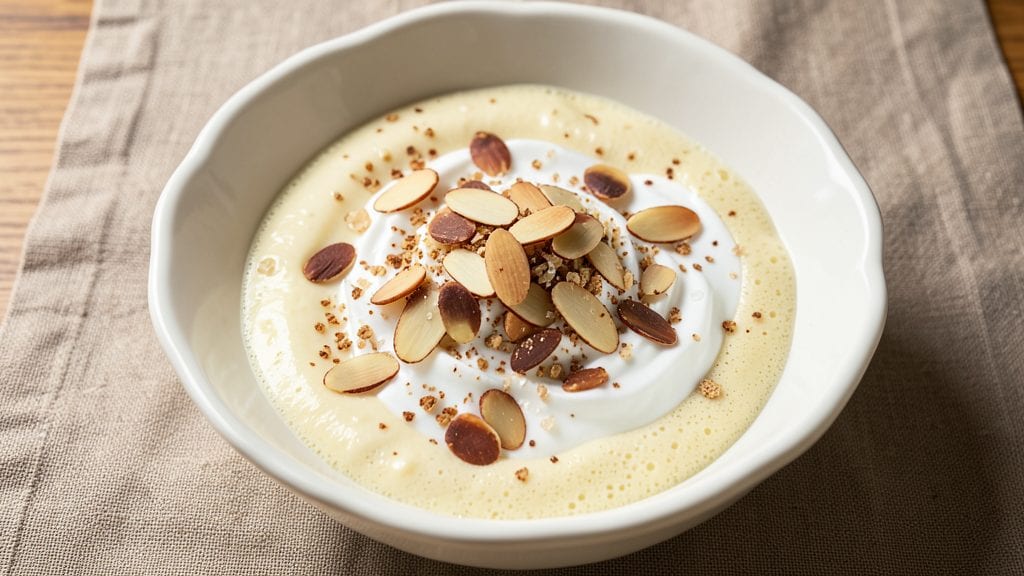
This unique cookie recipe of no-bake vanilla almond clusters redefines dessert expectations with creamy vanilla centers and crispy almond edges—no oven required. Standing on a step stool in my grandmother’s kitchen in Sicily, I first learned how texture transforms simple ingredients into something extraordinary.
The secret lies in the contrast: tender vanilla cream meets toasted almonds for a bite that’s both indulgent and sophisticated.
What makes these cookies truly unique is their foolproof no-bake method, perfect for warm weather or when you crave dessert without the mess. The recipe relies on just five key ingredients—vanilla pudding mix, almond flour, butter, and a touch of cream—yet delivers restaurant-quality results.
The almond clusters form naturally as the mixture sets, creating those coveted crunchy edges that disappear into the creamy center.
Each cookie delivers a velvety vanilla core wrapped in toasted almond crunch, with a subtle sweetness that lingers. The process is simple: mix, chill, and roll into clusters, then toast briefly for that signature crispness.
No flour, no rolling, no baking—just pure, elegant dessert in under 20 minutes of active time. These are the kind of cookies that disappear faster than you can say "second helping."
Serve them at holiday gatherings, potlucks, or as an after-dinner treat—they’re equally impressive in a glass jar or stacked on a platter. Here’s how to make them perfectly every time.
Ingredients for unique cookie
Five ingredients transform into elegant no-bake cookies with contrasting textures and velvety centers.
| Ingredient | Amount | Notes |
|---|---|---|
| Instant Vanilla Pudding Mix 🍦 | 2 boxes | Vanilla flavored, 3.4 oz each |
| Almond Flour 🥜 | 2 cups | Finely ground, unsweetened |
| Unsalted Butter 🧈 | ½ cup | Cold, cubed for texture |
| Heavy Whipping Cream 🥛 | ½ cup | Cold, full-fat preferred |
| Sliced Almonds 🌰 | 1 ½ cups | Toasted, medium thickness |
| Granulated Sugar 🍚 | ¼ cup | Fine grain preferred |
| Vanilla Extract 🍯 | 1 tsp | Pure, high-quality |
| Diamond Crystal Kosher Salt 🧂 | ¼ tsp | Fine grain for balance |
| Unflavored Gelatin 🍬 | 1 tsp | Powdered, for setting |
| Warm Water 💧 | 2 tbsp | 160°F for gelatin |
The almond flour is critical for that signature crunch and nutty depth—Bob’s Red Mill or King Arthur brands deliver consistent quality. Toast the sliced almonds in a dry skillet over medium heat for 3-4 minutes until golden; this enhances their flavor and prevents sogginess. For the pudding mix, Jell-O or Betty Crocker varieties work perfectly, but avoid the sugar-free options—they lack the necessary sweetness for proper texture. The unsalted butter should be cold when cubed; this prevents premature melting and maintains the cookie’s structure during chilling. Warm the water to 160°F for dissolving the gelatin—boiling water will ruin its setting ability.
No almond flour? Finely ground blanched almonds (pulse in a food processor) work as a substitute, though texture may vary slightly. Running short on heavy cream? Coconut cream adds richness, though the flavor profile shifts. For a sugar-free adaptation, use erythritol at a 1:1 ratio with granulated sugar, but reduce by 15% to account for lower density. The gelatin can be omitted entirely for a softer texture, though the cookies will lack their signature firmness. If you prefer a stronger vanilla flavor, double the extract—just be mindful of overpowering the almond notes. Penzeys or McCormick vanilla extracts are ideal for their purity and depth.
Store the chilled mixture in an airtight container for up to 5 days in the refrigerator, though the texture softens slightly over time. For longer storage, freeze the clusters on a parchment-lined tray before transferring to a bag—this preserves their shape for up to 3 months. Re-toast frozen clusters in a 350°F oven for 5-7 minutes to restore crispness. These cookies are perfect for holiday gifting—package them in clear cellophane bags tied with twine for an elegant presentation. The clusters also hold up well in warm climates, making them ideal for summer picnics or beach outings.
Why You'll Love This Recipe
- No Mixing Madness: I swear by this recipe because it’s basically a no-fuss dough—just fold the pudding mix into melted butter until it almost looks like cookie dough. The almond flour handles all the mess, and you’re done in 10 minutes flat.
- Velvet Crunch Magic: That pudding mix isn’t just for dessert—it adds this unreal chewy texture, while the toasted almonds give every bite a satisfying crunch. Honestly, the first time I tried it, I hid the recipe because I didn’t want to share how dangerously good it is.
- Party in a Jar: These cookies are my go-to for last-minute gatherings. Stash them in an airtight container for a week, and they’re still crisp enough to impress. (Yes, even on a Tuesday night when you forgot to bake anything.)
- Pantry Superstar: Almond flour and pudding mix? Budget-friendly and always on hand. The butter and cream are the only splurges, but they make these taste like a bakery treat—without the bakery price tag. Leftovers? Rare, but if they happen, they’re just as good reheated.
Step-by-step instructions for no-bake vanilla almond clusters with crunchy edges
This no-bake dessert combines creamy vanilla pudding with toasted almonds for a textural masterpiece.
Prepare the Vanilla Pudding Base
In a medium heatproof bowl, whisk together the 2 boxes instant vanilla pudding mix, 0.5 cup heavy whipping cream, and 2 tbsp warm water until completely smooth. I've found that using a whisk creates fewer lumps than a spoon, resulting in a silky texture. Place the bowl over a saucepan of simmering water, ensuring the bottom doesn't touch the water, and stir constantly for 3-4 minutes until the mixture thickens to a pudding-like consistency.
Remove from heat and immediately stir in the 0.5 cup unsalted butter and 0.25 cup granulated sugar until fully melted and incorporated. The butter should blend seamlessly, creating a rich, velvety base. Let this mixture cool to room temperature while you prepare the remaining components. This cooling step prevents the gelatin from setting prematurely when added later.
Bloom and Dissolve the Gelatin
In a small bowl, sprinkle the 1 tsp unflavored gelatin evenly over the 2 tbsp warm water (about 160°F). Let it bloom for 5 minutes—you'll see it thicken into a jelly-like consistency. Then, using a rubber spatula, gently fold the bloomed gelatin into the cooled pudding mixture until fully dissolved. This creates a stable structure that will hold the clusters together without becoming gummy.
Add the 1 tsp vanilla extract and 0.25 tsp diamond crystal kosher salt to the pudding mixture and stir thoroughly. The salt enhances the vanilla flavor while balancing the sweetness. The mixture should now have a smooth, glossy appearance with no visible streaks. If it's too thick, you can gently warm it for 10-15 seconds in the microwave to loosen it slightly.
Incorporate the Almond Flour and Toast the Almonds
In a separate bowl, whisk together the 2 cups almond flour and the 1.5 cups sliced almonds. The almond flour should be sifted to avoid lumps, which can create dense pockets in the final texture. In a dry skillet over medium heat, toast the sliced almonds for 3-4 minutes until they develop a golden aroma and become lightly browned. This toasting step intensifies their flavor and adds that essential crunch.
Remove the almonds from heat and immediately mix them with the almond flour. The residual heat will help distribute the toasted flavor throughout the mixture. Fold this almond mixture into the pudding base using a silicone spatula, working gently to maintain an airy texture. The final batter should be thick but still pipeable—similar to cookie dough consistency.
Shape and Set the Clusters
Using a cookie scoop or spoon, drop 1-tablespoon portions of the mixture onto a parchment-lined baking sheet, spacing them 2 inches apart. I like to use a wet spoon to help release the mixture cleanly and avoid sticking. Gently shape each portion into a cluster with your fingers, creating a slightly irregular mound that will give the finished product its signature texture.
Refrigerate the clusters for at least 4 hours, or until completely firm. This chilling time is crucial for developing the perfect crunchy exterior and creamy interior. Once set, they should hold their shape when gently pressed—no wobbling or melting. For best results, store them in an airtight container in the refrigerator for up to 5 days, though they're best enjoyed within 24 hours of making.
Pro Tips For Making Unique Cookie
- Whip Cream Cold: Take the heavy whipping cream straight from the fridge—no thawing, no shortcuts. Room temperature cream folds in like glue; cold cream holds its shape and gives you that pillowy texture these cookies need. (Yes, even if you're impatient like me.)
- Toast Almonds First: Skip the raw almonds—they’ll turn mushy when baked into the cookie. Dry-toast sliced almonds in a 350°F oven for 5-7 minutes until fragrant and just golden. Toss them with a pinch of flaky salt while warm, then fold into the dough last.
- Chill the Dough Hard: This isn’t a quick-mix cookie. Press the dough into a flat disk, wrap it in plastic, and freeze for at least 2 hours (overnight works best). Cold dough spreads less, bakes faster, and keeps the pudding mix from turning gummy.
- Bake in Stages: Start with 10 minutes at 325°F for the centers to set, then crank to 350°F for the last 5-7 minutes. The pudding mix can get rubbery if overbaked, but a high finish ensures the edges crisp. Watch like a hawk—these burn fast.
Essential equipment for this dish
Essential Mixing Tools
Start with a medium heatproof bowl—I prefer Corelle stoneware for its heat distribution and non-stick properties. This bowl handles the double boiler step without warping. A whisk is non-negotiable for the pudding base; I use OXO Good Grips because its wire design cuts through lumps effortlessly.
For the gelatin step, a silicone spatula (like Kitchy) is ideal—it won’t scratch bowls and folds in the gelatin smoothly without breaking strands. 🥄
Measuring Precision
Use a digital kitchen scale for the almond flour and sliced almonds—OXO Good Grips is my go-to—to ensure accuracy. The recipe’s texture relies on the perfect ratio of almond flour to pudding base. For liquids, a liquid measuring cup with clear markings (like Pyrex) prevents overfilling.
The gelatin requires 2 tbsp warm water at exactly 160°F—use an instant-read thermometer (I love Thermoworks) to avoid overheating, which ruins the setting ability. 🌡️
Toasting Equipment
A 10-inch cast-iron skillet (like Lodge) is perfect for toasting the sliced almonds—its heavy base distributes heat evenly. Preheat it over medium heat for 2 minutes before adding almonds to prevent burning.
For larger batches, a non-stick skillet (such as All-Clad) works just as well, but watch closely to avoid over-browning. The toasted almonds should smell like a Sicilian bakery—this is your cue they’re ready. 🌰
Chilling Essentials
An airtight container (like Rubbermaid Brilliance) keeps the clusters firm during chilling. Line it with parchment paper to prevent sticking—no need for greasing. For faster setting, I place the baking sheet in the freezer for 30 minutes before transferring to the fridge, cutting the chilling time by nearly half.
A parchment-lined baking sheet (like If You Care) is a must—it prevents the clusters from sticking while allowing easy transfer to the container. ❄️
Optional Pro Tools
For shaping, a cookie scoop (like OXO Good Grips) ensures uniform clusters, but a spoon works in a pinch. To test doneness, I use a small offset spatula to gently press a cluster—if it holds its shape, it’s ready.
For presentation, a clear glass jar (like Ball Mason) elevates these cookies for gifting. If you’re feeling fancy, a pastry brush (like Westmark) helps dust clusters with powdered sugar before serving. 💫
Nutrition facts
Frequently asked questions
Why do these cookies need gelatin if they're no-bake?
The gelatin creates a stable structure that holds the clusters together without needing an oven. It mimics the setting ability of baked cookies while keeping them light and creamy inside. The 1 tsp gelatin dissolves completely in the warm pudding base, forming an invisible network that gives these cookies their signature firmness and crunchy edges. Without it, they'd be too soft to handle or stack.
Can I make these cookies without almond flour?
Yes, but the texture will change. Replace the 2 cups almond flour with 1.5 cups finely ground blanched almonds (pulsed in a food processor) and 0.5 cup all-purpose flour. The result will be slightly denser but still delicious. For extra crunch, add 0.5 cup toasted chopped hazelnuts instead of almonds. The key is maintaining the same total volume of dry ingredients.
How do I fix if my clusters are too soft after chilling?
If your clusters feel too soft, they likely didn't chill long enough. Return them to the fridge for 2-3 additional hours or place the baking sheet in the freezer for 30 minutes to firm them up. For a quick fix, sprinkle clusters lightly with powdered sugar before serving—this adds a delicate crunch that masks any softness. The ideal texture should have a firm exterior that gives way to a creamy center when bitten.
Can I add chocolate or other mix-ins to these cookies?
Fold in 0.5 cup mini chocolate chips or chopped dark chocolate (60% cacao) for a decadent twist. For citrus lovers, add 1 tsp lemon zest and reduce vanilla to 0.5 tsp. The key is to keep the total additional mix-ins to no more than 0.75 cup to maintain the cookie's signature texture. Add them during the final folding step with the almond flour mixture.
How do I store these cookies for maximum freshness?
Store the clusters in an airtight container in the refrigerator for up to 5 days. For longer storage, freeze them on a parchment-lined tray for 1 hour, then transfer to a freezer bag. To serve, let them thaw at room temperature for 10 minutes or toast in a 350°F oven for 5-7 minutes** to restore crispness. The gelatin helps preserve their texture better than traditional baked cookies.