Desserts
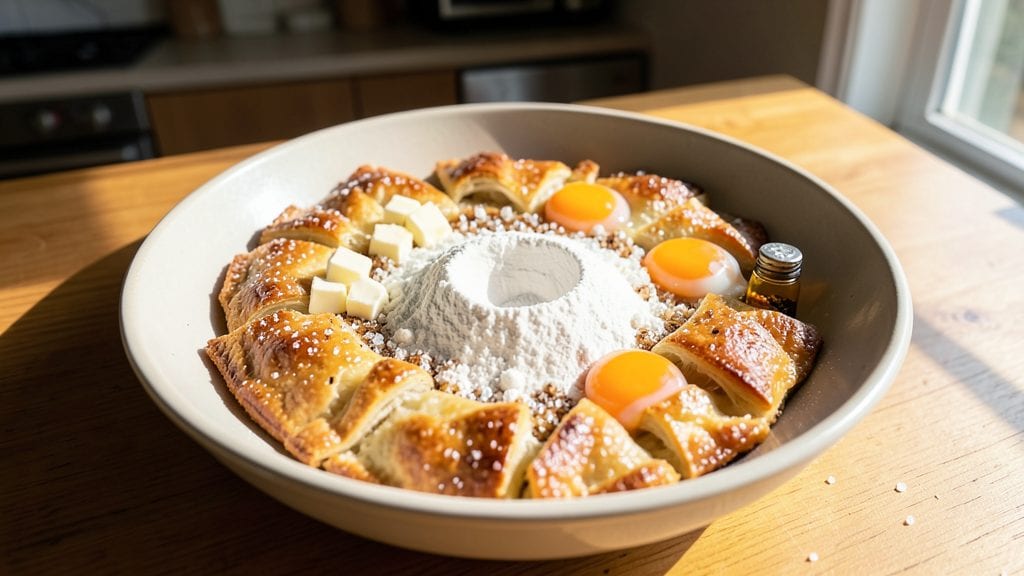
This galette cookie recipe delivers the rustic charm of French patisserie with its free-form crust and rich vanilla butter swirls—no fancy molds required. The beauty lies in its simplicity: a tender, flaky cookie that bakes into a golden, irregular shape with a crisp edge and soft center.
I perfected this version after years of experimenting with French techniques, and it never fails to impress.
The secret to these cookies is the vanilla butter swirl, which creates pockets of flavor in every bite. You'll work with just 6 simple ingredients—flour, butter, sugar, eggs, vanilla, and a pinch of salt—yet the result is restaurant-quality.
The dough comes together quickly, and the shaping process is more about intuition than precision, making it perfect for beginners or experienced bakers alike.
Baked at 350°F for 12-15 minutes, these cookies develop a golden crust while staying soft inside, with the vanilla butter swirls melting into every bite. The rustic edges and irregular shape make them look effortlessly elegant, while the flavor is rich and satisfying.
Serve warm with a dusting of powdered sugar or a drizzle of fruit compote for an extra touch of sophistication.
While this recipe excels as a classic vanilla version, you can easily adapt it with lemon zest, chocolate chunks, or spices like cinnamon and cardamom.
The free-form style means you can customize the size and shape to fit any occasion—whether it's a cozy weekend treat or a showstopping dessert for guests. Here’s everything you need to make them perfect the first time.
Ingredients for galette cookie
Six simple ingredients transform into rustic French galette cookies with golden edges and a buttery swirl inside.
| Ingredient | Amount | Notes |
|---|---|---|
| All-Purpose Flour 🌾 | 2 cups | Sifted for light texture |
| Unsalted Butter 🧈 | 1 cup | Cold, cubed for swirls |
| Granulated Sugar 🍚 | ½ cup | Superfine preferred |
| Large Eggs 🥚 | 1 whole | Room temperature |
| Pure Vanilla Extract 🌿 | 1 tbsp | High-quality preferred |
| Fine Sea Salt 🧂 | ¼ tsp | Kosher or flaky |
| Powdered Sugar 🍚 | ¼ cup | For dusting (optional) |
The butter and flour are the stars here. European-style butter like Plugrá or Land O'Lakes has more fat content, which makes the dough extra flaky. If you can't find it, regular unsalted butter works—just make sure it's cold when you start. For the flour, King Arthur or Gold Medal brands are my go-tos—they're sifted and consistent. The sugar? Superfine dissolves better, but regular granulated works fine if you pulse it in a food processor first. And that vanilla? Nothing but pure extract—imitation won't cut it here.
No vanilla extract? Vanilla bean paste works in a pinch, or even a scraped vanilla bean. Running short on butter? Lard or coconut oil can replace half the amount, but the flavor won't be identical. The dough gets tricky if you swap too much. Need to make it gluten-free? Bob's Red Mill 1:1 flour works, but expect a denser texture. And if you're feeling fancy, add a pinch of cardamom to the dough—trust me, it takes these cookies to the next level.
This dough keeps in the fridge for up to 48 hours wrapped tightly in plastic. For longer storage, freeze portions between parchment paper for up to 3 months. The butter swirls melt beautifully, so don't overbake—pull them when edges are golden but centers still look soft. Warm cookies? Dust with powdered sugar right out of the oven (that's why it's listed, even if optional). Leftovers? They reheat perfectly in a 300°F oven for 5 minutes.
Why You'll Love This Recipe
- Here’s the thing: this dough keeps perfectly in the fridge for days, so I can make a batch on Sunday and pull out a few cookies whenever the craving hits. And honestly? The flavor only gets better the next day. Plus, it’s cheap—just flour, butter, sugar, eggs, and vanilla—and stretches farther than most store-bought cookies.
- No-Fuss Assembly: I swear by this recipe because it’s basically baking for people who hate baking—just mix the dough, roll it out, fold, and bake. No piping bags, no stressing over shapes, just that rustic, free-form magic where the edges get crispy and the center stays tender.
- Buttery Vanilla Bliss: That first bite? It’s like a hug from a cookie—rich from the cold butter, sweet but not cloying thanks to the sugar, and the vanilla? Oh, it’s real, not that imitation stuff. The texture is everything: crispy around the edges, soft in the middle, with just enough chew to keep you coming back.
- Party in a Pan: Between us, this is my go-to for gatherings because it’s unfussy but feels special. Drop it on a tray, let it bake, and suddenly you’ve got a showstopper that looks homemade (even if it’s not the prettiest). It’s great with coffee, tea, or even a glass of milk—no fancy plating needed.
Step-by-step instructions for rustic French galette cookies
Here's how to create these elegant cookies with a crisp crust and buttery swirls—every step matters.
Mix the Dough Until Just Combined
In a large mixing bowl, combine the 2 cups all-purpose flour, 0.5 cup granulated sugar, and 0.25 teaspoon fine sea salt. Whisk these dry ingredients together until evenly distributed—you'll see no more white streaks of flour remaining. This ensures your cookies develop a tender, even texture rather than a dense center.
Next, cut the 1 cup unsalted butter into small cubes and let them sit at room temperature for about 10 minutes—they should soften but still hold their shape. Add the butter to the flour mixture and work it in using a pastry cutter or your fingers until the mixture resembles coarse crumbs with pea-sized butter pieces scattered throughout. This cold butter will create those signature flaky layers when baked.
Add Wet Ingredients and Form the Dough
Create a well in the center of your dry mixture and add the 1 whole large egg and 1 tablespoon pure vanilla extract. Using a wooden spoon or rubber spatula, gently fold the wet ingredients into the dry until just combined—you should have a shaggy, slightly sticky dough that holds together when pressed. Avoid overworking the dough at this stage, as too much handling develops gluten and makes the cookies tough.
Once the dough comes together, turn it out onto a lightly floured surface and knead it gently 4-5 times just to smooth it out. The dough should be soft but not sticky—if it's too sticky, sprinkle a little more flour on your surface. Divide the dough into 2 equal pieces (about 1 cup each) and flatten each into a 6-inch round about ½-inch thick. Wrap each round tightly in plastic wrap and refrigerate for at least 1 hour or up to 24 hours. This chilling step is crucial—it firms up the butter for perfect layering and prevents excessive spreading during baking.
Create the Vanilla Butter Swirls
While the dough chills, prepare the vanilla butter filling. In a small bowl, mix together ¼ cup (about ½ stick) of the reserved cold butter with 2 tablespoons granulated sugar and 1 teaspoon vanilla extract until smooth. This sweet, fragrant filling will create those beautiful golden swirls when baked. If the mixture feels too soft, chill it for 10 minutes before using.
When ready to assemble, remove one of the chilled dough rounds from the refrigerator and roll it out on a lightly floured surface to about ⅛-inch thickness. Using a 5-inch round cutter (or a glass of that size), cut out a circle of dough. Place this dough circle on a parchment-lined baking sheet and gently spread the vanilla butter mixture over the center, leaving about ½-inch border uncovered. This ensures the butter stays contained during baking.
Fold and Bake for a Crisp Crust
Using a sharp knife, carefully cut the dough from the edge toward the center in 8 equal wedges, making sure not to cut through the butter completely. Then, gently fold each wedge back over the butter filling, pressing lightly to seal. Repeat with the second dough round. Place both galettes on the same baking sheet, spacing them about 2 inches apart. Preheat your oven to 350°F while they come to temperature.
Bake the galettes for 20-25 minutes, rotating the pan halfway through, until the edges are deep golden brown and the tops look puffed and slightly cracked. The butter should be fully melted, creating those beautiful swirls visible through the crust. You'll know they're done when the galettes pull away slightly from the edges of the baking sheet. Let them cool on the pan for 10 minutes before transferring to a wire rack—they'll firm up as they cool, making them easier to slice.
Dust and Serve Warm
While still warm, dust the galettes generously with 0.25 cup powdered sugar using a fine-mesh sieve. This creates that signature French dusting that makes these cookies look so elegant. Let them sit for 5 minutes to allow the powdered sugar to adhere to the warm, crisp crust. Serve immediately while the cookies are still warm and the butter swirls are gooey—this is when they taste best!
Real talk: These cookies keep well at room temperature for 3 days in an airtight container, but they're so delicious that they rarely last that long. If you have leftovers, gently reheat them in a 300°F oven for 5-7 minutes to restore that warm, buttery goodness.
Pro Tips For Making Galette Cookie
- Chill the Dough: DESCRIPTION:
- Cut Butter in Small Bits: DESCRIPTION:
- Avoid Overmixing the Dough: DESCRIPTION:
- Use Room-Temp Eggs: DESCRIPTION:
Troubleshooting your galette cookie
Dough Too Sticky
If your dough feels too sticky after mixing, resist the urge to add more flour—this disrupts the butter-to-flour ratio. Instead, chill the dough for an extra 30 minutes uncovered on a wire rack.
The moisture will evaporate slightly, making it easier to handle. I also recommend using King Arthur flour, which has a slightly lower protein content than some brands, reducing stickiness.
For a quick fix, wet your hands slightly before shaping the dough. This prevents sticking to your fingers while you work. If the dough still resists, sprinkle just 1 teaspoon flour onto your surface and fold it in gently—no need to overdo it.
Butter Melting Too Fast
The butter swirls are the soul of these cookies, so keep them cold until baking. If your butter starts melting too soon, place the dough rounds back in the fridge for 15-20 minutes before rolling.
I’ve also found that using European-style butter (like Plugrá) holds its shape better than standard American butter.
For extra insurance, chill the vanilla butter filling for 10 minutes before spreading it on the dough. This ensures it stays firm enough to create those beautiful swirls during baking. If the filling feels too soft, pop it back in the fridge while you work.
Cookies Spread Too Much
Over-spreading is usually caused by butter that’s too warm or dough that wasn’t chilled long enough. To prevent this, make sure your dough rests for the full 1 hour in the fridge before rolling. If your oven runs hot, reduce the temperature to 340°F and bake for 25-30 minutes instead.
Another trick? Roll the dough slightly thinner in the center and thicker at the edges. This creates a natural barrier that keeps the butter contained. I also recommend using a parchment-lined baking sheet—it prevents sticking and helps maintain shape.
Uneven Baking
If your galettes bake unevenly, rotate the pan halfway through baking. I swear by this step—it ensures even heat distribution. Also, check your oven’s temperature accuracy with an oven thermometer. Many home ovens run 25°F hotter than set, which can lead to over-browning.
For extra insurance, place your baking sheet on the middle rack. The top rack can cause uneven browning, while the bottom rack may not provide enough heat. If you notice one side browning faster, cover it loosely with aluminum foil for the last 5 minutes of baking.
Dry or Crumbly Texture
A dry or crumbly texture usually means the dough was overworked or lacked enough fat. To fix this, make sure your butter is cold but not frozen when mixing.
If your dough feels too dry, add 1 teaspoon cold milk or water and mix gently. Over-kneading is the real culprit here—stick to 4-5 folds when shaping.
For a richer texture, increase the butter by 1 tablespoon next time. The extra fat creates more tender layers. If your cookies still turn out dry, try brushing them with 1 tablespoon melted butter right after baking for extra moisture.
Powdered Sugar Not Sticking
Powdered sugar won’t adhere if the cookies cool completely before dusting. Serve them warm—within 5 minutes of coming out of the oven. If the sugar clumps, sift it through a fine-mesh sieve for a smooth, even coat. For extra hold, lightly spray the cookies with water mist before dusting.
Pro tip: Let the cookies sit for 2 minutes after baking but before dusting. This gives the sugar time to melt slightly from residual heat, making it stick better. If you’re serving them later, store them in an airtight container to prevent drying out.
Nutrition facts
Frequently asked questions
What makes galette cookies different from regular cookies?
Galette cookies stand out with their rustic, free-form shape and signature buttery swirls inside. Unlike traditional round cookies, they're baked without a mold, giving them an irregular, artisanal look. The dough wraps around a vanilla butter filling, creating pockets of flavor in every bite. Their crisp edges and tender centers make them feel special without requiring fancy techniques.
Can I make these without a round cutter?
You don't need a special cutter—use a glass, bowl, or even a plate that's about 5 inches in diameter. For extra rustic appeal, skip cutting altogether and shape the dough into irregular rounds by hand. The key is to keep the center thinner where you'll place the butter filling so it stays contained during baking.
How do I store leftover galette cookies?
Keep them fresh in an airtight container at room temperature for up to 3 days. For longer storage, freeze individual cookies wrapped in plastic wrap for up to 3 months. To revive stale cookies, warm them in a 300°F oven for 5-7 minutes until the butter swirls soften again. The texture improves when reheated!
What are some flavor variations I can try?
This classic vanilla recipe works as a base for endless variations. Try adding 1 teaspoon lemon zest to the dough for a bright twist, or fold in chocolate chunks before baking. For warmth, mix ½ teaspoon cinnamon and cardamom into the dough. You can also replace the vanilla butter with honey butter or brown sugar butter for deeper flavor.
Why did my galette cookies turn out flat?
Flat cookies usually mean the butter melted too quickly during baking. Make sure your dough chills for the full 1 hour before rolling, and use cold butter for the filling. Also check your oven temperature—many home ovens run hot. If needed, reduce to 340°F and bake for 25-30 minutes. The cookies should puff slightly in the center before settling.