Desserts
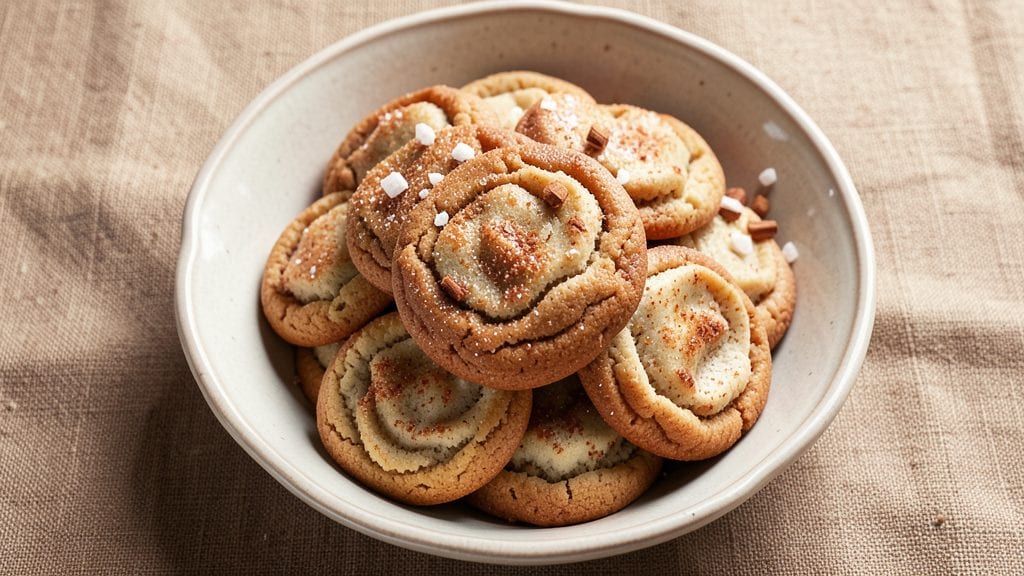
Martha Stewart’s snickerdoodle cookie recipe delivers the perfect balance of soft, pillowy centers and that signature cinnamon-sugar crunch we all crave. The secret lies in a precise blend of vanilla bean and cream of tartar, which creates the tender texture while the cinnamon-sugar coating adds warmth and depth.
I’ve baked these dozens of times, and this method never fails to impress—whether you’re serving them at a holiday gathering or enjoying a quiet afternoon treat.
The recipe is surprisingly straightforward, requiring just 10 ingredients and 30 minutes of active time. The dough comes together quickly, and the baking process ensures cookies that stay soft in the center with perfectly crisp edges.
The cinnamon-sugar mixture is simple to prepare but makes all the difference in that iconic flavor. This is the kind of dessert that feels both nostalgic and refined, all at once.
What you’ll end up with are vanilla-kissed cookies rolled in aromatic cinnamon-sugar, their edges just slightly caramelized from the oven. The aroma alone will have everyone gathering around your kitchen, and the first bite delivers that perfect harmony of sweet, spiced, and tender.
These cookies hold their shape beautifully, making them ideal for gift-giving or sharing with neighbors.
For those who want to adapt the recipe, substitutions like almond flour or coconut sugar can be made without sacrificing too much of the classic flavor. But the traditional version—with its rich vanilla notes and warm cinnamon crunch—is what truly makes these cookies unforgettable. Let’s get baking!
Ingredients for martha stewart snickerdoodle cookie
Ten simple ingredients transform into Martha Stewart’s iconic cinnamon-sugar cookies.
| Ingredient | Amount | Notes |
|---|---|---|
| Unsalted Butter 🧈 | 1 cup | Cold, cubed for even baking |
| Granulated Sugar 🍚 | ¾ cup | White sugar preferred |
| Packed Brown Sugar 🍚 | ¾ cup | Light or dark brown |
| Large Eggs 🥚 | 2 whole | Room temperature preferred |
| Pure Vanilla Extract 🍯 | 2 tsp | High-quality, pure vanilla |
| Cream of Tartar 🧂 | ½ tsp | Essential for tender texture |
| All-Purpose Flour 🌾 | 2 ½ cups | Sifted for lighter cookies |
| Ground Cinnamon 🍃 | 1 ½ tbsp | Freshly ground preferred |
| Granulated Sugar 🍚 | ¼ cup | For cinnamon-sugar coating |
| Sea Salt 🧂 | ¼ tsp | Fine grain for balance |
The butter must be cold and cubed—European-style butter like Plugrá works best for flavor and texture. King Arthur Flour is my go-to for all-purpose flour, as it’s reliably high-protein for that tender yet sturdy cookie. Vanilla extract should be pure, not imitation—McCormick or Nielsen-Massey are trusted brands. Cream of tartar stabilizes the dough, preventing spread, so don’t skip it. For the cinnamon-sugar coating, McCormick ground cinnamon delivers the warmest flavor, and using fine sea salt balances the sweetness perfectly.
No cream of tartar? Substitute lemon juice at half the amount, though texture may vary slightly. Running short on vanilla? Vanilla bean paste works in a pinch, but pure extract is non-negotiable for that classic snickerdoodle aroma. The dough should be soft but not sticky—if it’s too dry, add 1 tbsp of cold water. For a gluten-free version, King Arthur gluten-free flour blend replaces all-purpose flour at a 1:1 ratio, though texture will differ. Store-bought cinnamon-sugar mixes often lack freshness—homemade is always superior.
Wrap dough in plastic and refrigerate for up to 48 hours for enhanced flavor. Baked cookies keep in an airtight container for 5 days at room temperature, though they’re best enjoyed fresh. For gift-giving, package in cellophane bags with ribbon—they’ll stay soft for 3 days. Freeze unbaked dough balls for up to 3 months; bake straight from frozen, adding 1-2 minutes to the time.
Why You'll Love This Recipe
- No-Fuss Mixing: I swear by this recipe because it’s just three bowls—no food processor, no fancy techniques. Cream the butter and sugars until light, crack in the eggs, and fold in the flour. That’s it. Even my chaotic kitchen mornings can’t mess this up.
- Caramelized Edge Magic: The butter-to-sugar ratio here is chef’s kiss—crispy, cinnamon-sugar crust that shatters at the slightest touch, but the center stays soft. Honestly, I’ve tried "better" recipes, but this one delivers every time.
- Party-Proof Staple: These disappear at gatherings (yes, even with my picky uncle). Make a double batch, freeze half, and pull them out for last-minute holidays or coffee dates. The vanilla and brown sugar keep them rich without tasting "fancy."
- Pantry Goldmine: Uses what you already have—no specialty ingredients or last-minute grocery runs. That brown sugar? Whatever’s in your cabinet. The eggs? Room temp or straight from the fridge, no judgment. Budget-friendly and always reliable.
Step-by-step instructions for Martha Stewart's snickerdoodle cookies
Master these precise techniques to achieve Martha Stewart's signature snickerdoodle texture—tender yet chewy with that signature cinnamon-sugar crunch.
Cream the Butter and Sugars to Light and Fluffy
In a stand mixer fitted with the paddle attachment, combine the 1 cup unsalted butter (cold, cubed) with the 0.75 cup granulated sugar and 0.75 cup packed brown sugar. Beat on medium speed for 3-4 minutes until the mixture is pale, light, and nearly doubles in volume. You'll see ribbons form when the paddle lifts—this indicates proper aeration for tender cookies.
The cold butter should create a smooth, creamy texture without melting completely. If the mixture feels too soft, chill it for 10 minutes before proceeding. This step is critical for achieving the signature snickerdoodle texture—under-creaming results in dense cookies, while over-creaming develops gluten.
Incorporate Eggs, Vanilla, and Cream of Tartar
Add the 2 whole large eggs (room temperature preferred) one at a time, mixing on low speed for 30 seconds after each addition. This gradual incorporation prevents the batter from becoming too thin. Stir in the 2 teaspoons pure vanilla extract and 0.5 teaspoon cream of tartar, mixing on low for 30 seconds until fully combined.
The cream of tartar acts as a leavening agent, creating a tender crumb. Here's the thing—room temperature eggs incorporate more smoothly and create a lighter texture. If your eggs are cold, let them sit at room temperature for 15 minutes before using. The mixture should be thick but pourable at this stage.
Combine Dry Ingredients and Shape Dough
In a separate bowl, whisk together the 2.5 cups all-purpose flour, 1.5 tablespoons ground cinnamon, 0.25 teaspoon sea salt, and the 0.25 cup granulated sugar (for coating). Gradually add this dry mixture to the wet ingredients, mixing on low speed until just combined—do not overmix. The dough should come together but still appear slightly shaggy.
Scrape down the sides of the bowl and mix for an additional 15 seconds to ensure even distribution. Overmixing develops gluten, which leads to tough cookies. Once combined, turn the dough out onto a clean surface and gently knead 2-3 times just to bring it together. Divide into 4 equal portions and flatten each into a 1-inch thick disk.
Roll, Cut, and Coat in Cinnamon-Sugar
Working with one disk at a time, roll it between two sheets of parchment paper to ¼-inch thickness. Use a 2.5-inch round cutter to cut out cookies, gently re-rolling the scraps and cutting additional cookies. Transfer the cut cookies to a parchment-lined baking sheet, spacing them 2 inches apart to allow for spreading.
In a small bowl, combine the remaining 0.25 cup granulated sugar with the 1.5 tablespoons ground cinnamon. Roll each cookie in this cinnamon-sugar mixture until fully coated, pressing gently to adhere. This step creates the signature flavor and appearance of snickerdoodles—don't skip it. Place the coated cookies back on the baking sheet.
Bake to Golden Perfection
Preheat your oven to 375°F and bake the cookies for 9-11 minutes, rotating the baking sheet halfway through, until the edges are golden brown and the centers still appear slightly soft. They should pull away from the parchment paper easily but not be overly crisp.
Remove from the oven and let cool on the baking sheet for 2 minutes before transferring to a wire rack to cool completely. The cookies will firm up as they cool, developing that perfect snickerdoodle texture—chewy centers with crisp edges. For best results, bake only one sheet at a time to maintain even heat distribution.
Pro Tips For Making Martha Stewart Snickerdoodle Cookie
- CREAM THE BUTTER WELL: Martha’s recipe relies on that signature cinnamon-sugar coating, but the dough needs to be smooth—not lumpy. Use a stand mixer with the paddle attachment and beat the butter and sugars on medium-high for 3–4 minutes until the mixture is pale and fluffy. If you’re doing it by hand, grab a wooden spoon and really work those arms for 5–7 minutes. The goal? No graininess when you add the egg.
- CHILL THE DOUGH LONGER: I learned this the hard way—skipping the 24-hour rest in the fridge leads to sad, flat cookies. Wrap the dough tightly in plastic and refrigerate it overnight (yes, even if you’re impatient). The cold slows gluten development, so when you roll and cut, the cookies hold their shape instead of spreading into pancakes.
- USE A LIGHT TOUCH WITH CUTTERS: Pressing too hard when cutting the dough flattens the edges, which means less crispy cinnamon-sugar crust. Gently press the cutter straight down—no wiggling—and lift cleanly. For extra definition, dip the cutter in flour before each cut. The result? Cookies with sharp, caramelized edges that look (and taste) like they came from a bakery.
- ROTATE THE PAN MIDWAY: The oven’s hot spots are real, and snickerdoodles burn faster than they brown. Slide the tray to the middle rack, then swap the top and bottom racks halfway through baking. This ensures even color without overdoing the edges. If your oven runs hot, pull them at the earliest suggested time—they’ll keep baking on the tray.
Regional styles of this dish
New England Classic
In New England, snickerdoodles often take on a slightly denser texture, reflecting the region's love for hearty baked goods. Locals frequently add 1 teaspoon of molasses to the dough for a deeper, caramelized flavor that pairs beautifully with the cinnamon.
I’ve found that using dark brown sugar in the coating enhances this effect, creating a molasses-like sheen on the edges. Serve these with a cup of strong black tea or apple cider for the ultimate cozy New England experience. 🍂
Midwest Homestyle Twist
The Midwest puts its own spin on snickerdoodles by incorporating ½ teaspoon of nutmeg into the dough, adding warmth that complements the cinnamon. This variation is especially popular in states like Ohio and Michigan, where bakeries often serve them with vanilla ice cream.
For a true Midwest touch, use King Arthur flour and bake at 350°F for 12-14 minutes to achieve a slightly thicker cookie that holds up well when stacked.
Southern Comfort Style
Southern bakers love their snickerdoodles with a buttery drizzle—after baking, they brush the tops with melted butter and sprinkle with extra cinnamon. This technique, popular in Georgia and Alabama, adds a rich, almost caramelized flavor.
For a Southern-inspired version, replace ½ cup of the all-purpose flour with cornmeal to give the cookies a subtle crunch. Pair these with sweet tea or pecan pie for a true Southern dessert spread. 🍯
Pacific Northwest Adaptation
Out West, snickerdoodles often incorporate raspberry or blackberry jam into the dough, adding a fruity contrast to the cinnamon. This variation is especially popular in Washington and Oregon, where fresh berries are abundant.
For a Pacific Northwest twist, reduce the sugar in the coating by 2 tablespoons and replace it with freeze-dried raspberry powder for a tangy kick. Serve with a glass of local pinot noir for a sophisticated dessert pairing.
Texas-Style Spiced Snickerdoodles
Texas bakers love to kick up the spice game by adding ½ teaspoon of smoked paprika to the cinnamon-sugar coating. This gives the cookies a subtle smoky depth that pairs perfectly with the sweetness.
For an authentic Texas touch, use Lone Star butter and bake at 375°F for 10 minutes to keep the cookies soft and chewy. These are a hit at Texas BBQ joints, often served alongside pecan pralines for a sweet-savory combo. 🌶️
Modern Gluten-Free Twist
For those avoiding gluten, the Pacific Northwest and urban centers like New York have embraced gluten-free snickerdoodles using King Arthur gluten-free flour blend or a mix of almond flour and oat flour.
The key is to reduce the leavening slightly—cut the cream of tartar to ¼ teaspoon and add ½ teaspoon of baking soda to compensate. These cookies hold their shape beautifully and still deliver that signature cinnamon-sugar crunch. 🌱
Nutrition facts
Frequently asked questions
Why does Martha Stewart's recipe use cream of tartar?
The cream of tartar is essential for creating those signature tender, chewy cookies. It stabilizes the dough, prevents excessive spreading, and helps develop a light, airy texture. Without it, your cookies might turn out dense or cakey. Think of it as the secret ingredient that keeps the centers soft while the edges stay crisp.
Can I make these cookies without a stand mixer?
Use a sturdy hand mixer or even a wooden spoon for the creaming step. Work in 30-second bursts to avoid overmixing the butter and sugars. For the dough, mix by hand with a spatula or fork until just combined. The key is to keep everything cold and mix gently to maintain that tender texture.
How do I store snickerdoodles to keep them soft?
Store them in an airtight container at room temperature for up to 5 days. For longer storage, freeze unbaked dough balls for 3 months—bake straight from frozen, adding 1-2 minutes to the time. Never refrigerate baked cookies, as this makes them dry out faster. The secret to keeping them soft is moisture control!
What's the best way to cut snickerdoodles for perfect circles?
Use a 2.5-inch round cutter for classic snickerdoodle shapes. For crisp edges, chill the dough for 15 minutes before cutting. Press firmly but gently—too much pressure will flatten the cookies. Roll the scraps back together and cut more cookies to minimize waste. Pro tip: Dust your cutter with extra cinnamon-sugar for easy release!
Can I substitute vanilla extract with vanilla bean paste?
Yes, but expect slightly different results. Use 1.5 teaspoons of vanilla bean paste (instead of 2 teaspoons extract) for a more intense vanilla flavor with tiny specks. The paste contains seeds that add texture, while pure extract gives a smoother taste. For Martha's classic version, stick with extract for that signature vanilla kiss.