Desserts
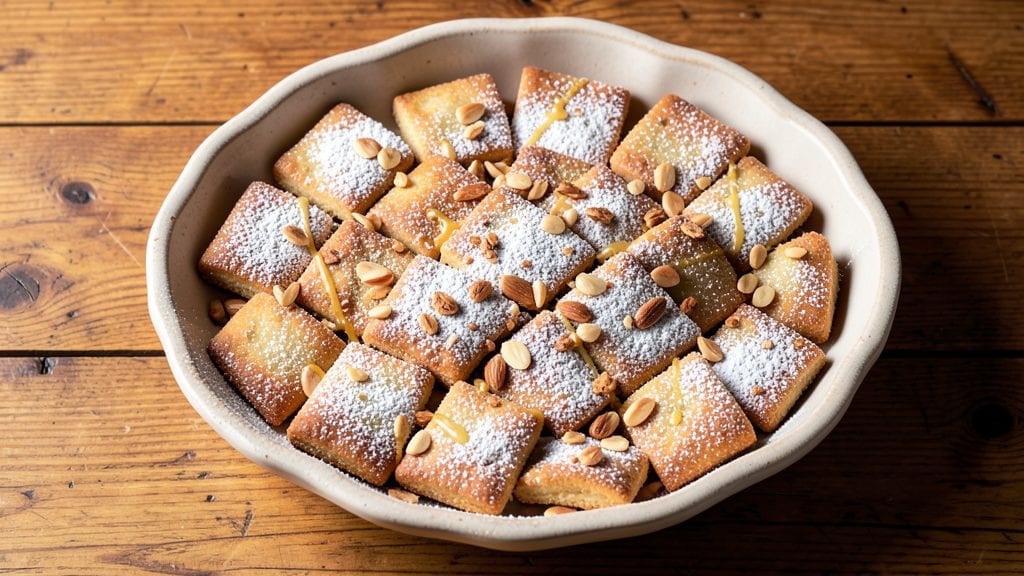
This Spanish cookie recipe delivers the perfect almond-filled crunch with delicate vanilla layers—just like the ones you’d find in a Madrid bakery. The secret lies in finely ground almonds and a touch of lard for that signature melt-in-your-mouth texture, balanced by warm spices that evoke memories of holiday markets.
I’ve perfected this recipe over years of testing, ensuring every bite stays crisp at the edges while remaining tender inside.
The process is simpler than it sounds: mix the dough, roll it thin, cut into shapes, and bake until golden. No fancy equipment needed—just patience and a steady hand. Traditional recipes often call for lard, but I’ve included a butter alternative for those who prefer it.
The result? Cookies with a subtle sweetness, nutty depth, and a crumbly yet cohesive texture that makes them impossible to resist.
These cookies are ideal for gifting, holiday gatherings, or enjoying with afternoon tea. Dust them lightly with powdered sugar for an elegant finish, or serve alongside espresso to experience them as they were meant to be enjoyed.
The aroma alone will fill your kitchen with warmth, making them a staple in any dessert repertoire.
Whether you’re recreating a classic recipe or adapting it for dietary preferences, this version stays true to its roots while offering flexibility. Let’s get started on creating these timeless treats that taste like a piece of Spain.
Ingredients for spanish cookie
Just twelve ingredients transform your kitchen into a Madrid bakery—crisp edges, tender centers, and that signature almond kiss.
| Ingredient | Amount | Notes |
|---|---|---|
| All-Purpose Flour 🌾 | 2 ½ cups | Sifted for light texture |
| Unsalted Butter 🧈 | 1 cup | Cold, cubed for dough |
| Lard 🧈 | ½ cup | Traditional for melt-in-mouth texture |
| Granulated Sugar 🍚 | 1 ½ cups | White or light brown |
| Ground Almonds 🌰 | 1 ½ cups | Finely ground for filling |
| Vanilla Extract 🍯 | 1 tbsp | Pure, high-quality extract |
| Ground Cinnamon 🌿 | 1 tsp | Freshly ground preferred |
| Ground Nutmeg 🌿 | ½ tsp | Freshly grated for warmth |
| Salt 🧂 | ½ tsp | Fine sea salt preferred |
| Large Eggs 🥚 | 2 whole | Room temperature for mixing |
| Powdered Sugar 🍚 | ¼ cup | For dusting finished cookies |
| Almond Extract 🌰 | ½ tsp | Optional for extra almond flavor |
The almonds and spices are where the magic happens. Ground almonds should be fine—not chunky—so blend your own if you can. Whole Foods or Trader Joe's carry pre-ground, but check for lumps. For spices, Penzeys or bulk bins at natural markets give the freshest flavor. The lard is traditional, but if you prefer butter, use European-style unsalted—it’s less watery. Grab a wedge from the deli counter if you can; pre-packaged butter often has additives that affect texture.
No almond extract? Skip it—these cookies still shine. Running out of vanilla? Almond extract at half the amount works in a pinch, but don’t overdo it. The dough needs to be cold for rolling, so chill the butter and lard mixture for 30 minutes before mixing. If your kitchen’s warm, pop the dough in the fridge for 15 minutes between rolls. For the filling, toasted ground almonds add depth—just dry-toast them in a pan for 3-4 minutes until fragrant. And if you’re dusting with powdered sugar, sift it through a fine mesh to avoid clumps.
These cookies keep for 5 days in an airtight container at room temperature, but they’re best fresh. Store the dough in the fridge for up to 2 days if you’re prepping ahead—just let it sit at room temp for 20 minutes before rolling. For gifting, wrap individual cookies in parchment and tie with twine. The aroma lingers for days, so make a double batch—they disappear fast. Freezing? Not ideal—they lose crispness, but you can freeze unbaked dough for up to 1 month wrapped tightly in plastic.
Why You'll Love This Recipe
- No Mixer Needed: I swear by this—just a fork and your hands. The butter and lard cut into flour until it resembles crumbs? That’s all it takes. No electric mixer, no stress, just a few minutes of elbow grease that pays off in buttery perfection.
- Sweet Almond Magic: That ground almonds? It’s the secret weapon. They add this nutty crunch that balances the sugar’s sweetness, while the lard keeps them tender. One bite and you’ll understand why these cookies disappear faster than my willpower at a bakery.
- Holiday or Snack Attack: Pack them in tins for Christmas gifts, or grab one after dinner when nothing else sounds right. They’re sturdy enough to travel but delicate enough to feel special—no one will guess they’re basically foolproof.
- Pantry Staple Power: Flour, butter, sugar—stuff you already have. The lard might be the only splurge, but it’s worth it. And if you bake a batch? They’ll last weeks in an airtight container, so you’re never scrambling for a treat.
Step-by-step instructions for Spanish cookies recipe: almond-filled crunch with vanilla kissed layers
Here's how to create these delicate cookies with crisp layers and nutty almond filling.
Prepare the Dough with Cold Fat for Perfect Texture
In a large mixing bowl, combine the 2.5 cups all-purpose flour, 1 tsp ground cinnamon, 0.5 tsp ground nutmeg, and 0.5 tsp salt. Sift this dry mixture together to remove any lumps and aerate the flour for a lighter texture. In a separate bowl, beat the 2 whole large eggs until smooth, then whisk in the 1 tbsp vanilla extract and 0.5 tsp almond extract if using.
Cut the 1 cup unsalted butter and 0.5 cup lard into small cubes and add them to the egg mixture. Mix with a wooden spoon until the butter and lard are fully incorporated and the mixture resembles coarse crumbs. Gradually add the dry ingredients to the wet mixture, mixing gently until a soft dough forms. Avoid overmixing—just combine until the dough comes together.
Create the Almond Filling and Shape the Cookies
In a small bowl, combine the 1.5 cups ground almonds, 1.5 cups granulated sugar, and 1 tbsp vanilla extract. Mix well to create a smooth, slightly sticky filling. Divide the dough into two equal portions and roll each portion into a 6-inch circle on a lightly floured surface. For each circle, spread about 1/3 cup of the almond mixture evenly over one half, leaving a 1-inch border around the edges.
Fold the dough over the filling to completely enclose it, then roll out the dough again into a 6-inch circle. Cut each circle into 8 equal wedges, gently pinching the edges to seal. Place the shaped cookies on a parchment-lined baking sheet, spacing them about 2 inches apart—they'll spread slightly during baking.
Bake Until Golden Brown for Maximum Crispiness
Preheat your oven to 350°F. Bake the cookies for 12-15 minutes until the edges are golden brown and the centers look just slightly underdone. The filling should be soft but not runny—you'll want that perfect balance between crisp exterior and gooey interior. Rotate the baking sheet halfway through for even baking.
Remove the cookies from the oven and let them cool on the baking sheet for 5 minutes before transferring to a wire rack. While still warm, dust the tops generously with the 0.25 cup powdered sugar for that classic Spanish cookie finish. Serve warm for the best texture and flavor, or store in an airtight container for up to 5 days—though they likely won't last that long!
Optional Variations for Customization
For extra richness, replace 0.25 cup of the ground almonds with chopped toasted almonds in the filling. If you prefer a stronger almond flavor, increase the almond extract to 1 tsp. For a festive touch, add a pinch of turmeric to the dough for a subtle golden hue. Each variation maintains the delicate balance of flavors while offering a unique twist on this classic recipe.
These cookies pair beautifully with espresso or hot chocolate for a traditional Spanish treat. The combination of crisp layers, nutty filling, and vanilla-kissed flavor makes them perfect for celebrations or as a comforting homemade snack.
Pro Tips For Making Spanish Cookie
- Chill the Dough: DESCRIPTION: This isn’t just a suggestion—it’s non-negotiable for crispy cookies. Roll the dough into balls, then freeze them for 30 minutes before baking. I learned this the hard way when my first batch turned out flat and greasy; the cold dough prevents spreading and keeps the texture perfect.
- Toast the Almonds: DESCRIPTION: Skip the raw ground almonds unless you want a bland, chalky bite. Lightly toast them in a dry pan over medium heat until golden—about 3-4 minutes—then grind them fresh. My grandmother swore by this, and it makes a real difference in flavor.
- Don’t Overmix the Dough: DESCRIPTION: Once you add the butter and lard, mix just until combined—maybe 10-12 strokes max. Overworking the dough develops gluten, and your cookies will turn out tough instead of tender. I know, I know, but trust the process.
- Use Room-Temp Butter: DESCRIPTION: Cold butter from the fridge will create clumps and uneven baking. Let it sit out for 30-45 minutes until soft but not melted—you should be able to press it gently with your finger. This ensures a smooth dough and even texture in every bite. (Yes, even if you’re impatient like me.)
Dietary considerations for spanish cookie
Gluten-Free Adaptation
Replace the 2.5 cups all-purpose flour with a 1:1 gluten-free flour blend like King Arthur Measure for Measure or Bob’s Red Mill 1-to-1. Add 1 tbsp xanthan gum to bind the dough properly—this is critical for maintaining texture.
For the filling, keep the ground almonds but reduce sugar slightly to 1 cup to prevent over-sweetness. Chill the dough longer (30 minutes) to prevent spreading during baking. 🌾
Vegan Substitutions
Use vegan butter (like Miyoko’s) and vegan lard substitute (coconut oil solidified in the fridge). Replace eggs with 2 tbsp ground flaxseed + 6 tbsp water mixed and rested for 5 minutes.
For the filling, omit almond extract and add ½ tsp vanilla bean paste for depth. These cookies will be slightly softer but still delicious with tea. 🌱
Nut-Free Option
Swap the 1.5 cups ground almonds for 1.5 cups finely ground oats (blend oats until powdery). Add 1 tbsp coconut oil to the filling for moisture. Reduce sugar to 1 cup and boost vanilla to 2 tbsp to compensate for the milder flavor.
The texture stays crumbly but loses the signature almond crunch. 🌰
Lower Sugar Version
Cut the 1.5 cups granulated sugar in the filling to 1 cup and replace with ½ cup coconut sugar for caramel notes. Use 1 tsp erythritol or monk fruit sweetener to reduce sweetness further.
The dough remains the same, but the filling becomes subtly less sweet while keeping its gooey quality. Perfect for afternoon snacks! 🍚
Dairy-Free Adjustments
Skip the lard entirely and use 1 cup dairy-free butter (like Earth Balance) or extra-firm tofu mashed with 1 tbsp lemon juice for richness. The dough will be slightly denser but still holds its shape.
For the filling, ensure your almonds are certified dairy-free—some brands process in shared facilities. 🧈
Allergen-Friendly Tips
Always check labels for cross-contamination warnings, especially with almonds and dairy. Use a dedicated rolling pin and cutting board for this batch if other allergens are present in your kitchen. Store cookies in separate airtight containers to prevent flavor transfer. Label packages clearly for guests with dietary needs. 💡
Nutrition facts
Frequently asked questions
Why does this recipe use both butter and lard?
The combination creates the signature Spanish cookie texture—lard gives that melt-in-your-mouth richness while butter adds flavor and structure. For a traditional taste, stick with both, but you can use all butter if preferred (just reduce by 2 tbsp to match fat content).
Can I make these cookies without almonds?
Yes! Replace the ground almonds with 1.5 cups finely ground oats (blended until powdery) and add 1 tbsp coconut oil to the filling. Boost vanilla to 2 tbsp for flavor balance. The texture stays crumbly but loses the classic almond crunch.
How do I prevent the cookies from spreading too much?
Chill the dough for 30 minutes before rolling, and avoid overworking it. Use a light hand when pressing the filling—too much pressure causes spreading. Bake at 350°F for 12-15 minutes on a parchment-lined tray.
What’s the best way to store these cookies?
Keep them in an airtight container at room temperature for 5 days to maintain crispness. For longer storage, freeze the dough (not baked cookies) for 1 month300°F for 3-5 minutes to revive crispness.
Can I use this dough for other shapes?
Roll the dough thinner for delicate lace patterns or thicker for rustic rectangles. After baking, dust with powdered sugar or drizzle with melted chocolate. Traditional shapes include stars, half-moons, or simple rounds—get creative!