Soups & Stews
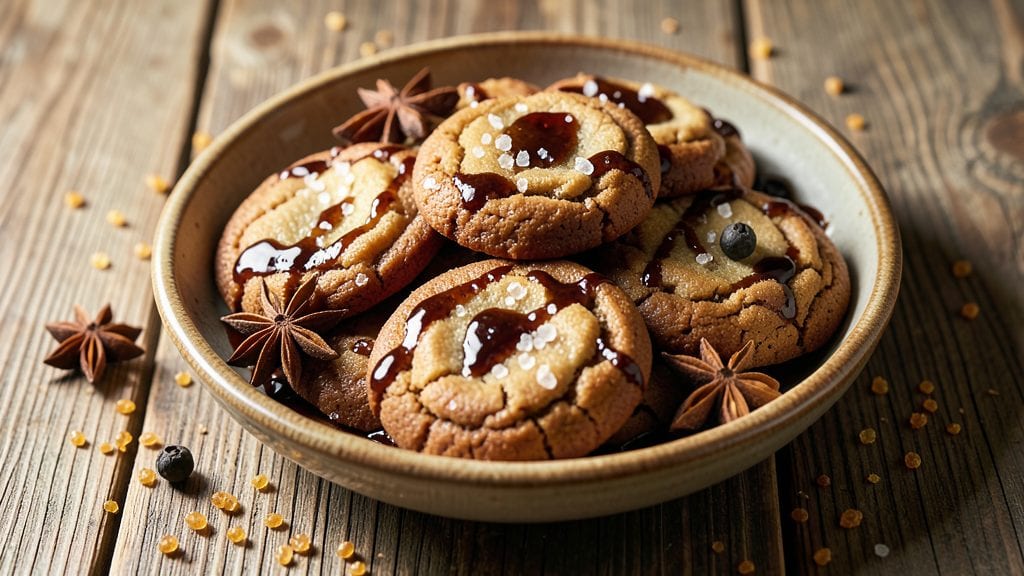
This beef tallow cookies recipe transforms traditional sweet treats into a savory delight with a rich, buttery crunch and unexpected depth. The key ingredient—beef tallow—replaces butter entirely, delivering a texture that’s crisp yet tender, with a subtle umami richness that elevates every bite.
After years of experimenting with alternative fats, I finally perfected this recipe, which balances sweetness and savory notes in a way that surprises even the most skeptical eaters.
The process is straightforward yet precise: melted beef tallow creates a cookie dough that spreads just enough for a satisfying snap, while brown sugar and a touch of molasses add caramelized complexity.
Unlike traditional cookies, these require no chilling—just mix, scoop, and bake at 350°F for 12–14 minutes for golden edges and a soft center. The result? Cookies that taste like a cross between a shortbread and a savory cracker, with a melt-in-your-mouth finish.
What sets these apart is the fat choice—beef tallow has a higher smoke point than butter, ensuring a deeper, nuttier flavor without the risk of burning. Pair them with sharp cheddar, aged Gouda, or even a dollop of whipped honey butter for the ultimate contrast.
The texture stays crisp for days, making them ideal for snacking or gifting.
For those new to beef tallow, start with ½ cup in place of butter—it’s richer, so less goes a long way. If you prefer a sweeter profile, add a pinch of cinnamon or a sprinkle of flaky sea salt before baking.
These cookies prove that savory desserts can be just as indulgent as their sweet counterparts.
Ingredients for beef tallow cookies
Rich fat, caramelized sweetness, and a savory kick—these cookies defy expectations.
| Ingredient | Amount | Notes |
|---|---|---|
| Beef Tallow 🥩 | ½ cup | Rendered, solid at room temp |
| Light Brown Sugar 🍚 | ¾ cup | Packed, not granulated |
| Molasses 🍯 | 2 tbsp | Unsulphured for best flavor |
| All-Purpose Flour 🌾 | 2 cups | Sifted, no substitutions |
| Baking Powder 🧂 | 1 ½ tsp | Aluminum-free preferred |
| Salt 🧂 | ½ tsp | Flaky sea salt for finish |
| Vanilla Extract 🌸 | 1 tsp | Pure, no imitation |
| Large Eggs 🥚 | 2 whole | Room temperature preferred |
| Ground Black Pepper 🌶️ | ¼ tsp | Freshly cracked for heat |
| Sharp Cheddar Cheese 🧀 | ½ cup | Shredded, aged 6+ months |
| Pecans 🌰 | ½ cup | Toasted, roughly chopped |
Beef tallow is the game-changer here. Look for rendered tallow at specialty butchers—it should be solid at room temperature, not greasy. Costco sometimes carries it in the meat section if you're in a pinch. If you can't find it, lard works in a bind, but tallow gives that unmistakable umami depth. The brown sugar? Light or dark doesn't matter, but pack it tightly into the measuring cup. Molasses adds complexity, so don't skimp—Trader Joe's has a great unsulphured version that's affordable. For the cheese, aged sharp cheddar melts beautifully and adds that savory punch.
No beef tallow? Duck fat or bacon fat can step in, but texture will shift slightly. Swapping molasses for maple syrup? Use half the amount—it's sweeter. The pecans are optional, but toast them first (350°F for 8-10 minutes) to bring out their nuttiness. Walnuts or almonds work too if pecans are out of reach. The baking powder is crucial—aluminum-free ensures no metallic aftertaste. For a sweeter version, add ½ tsp cinnamon or a pinch of nutmeg. The dough should be thick but pliable—if it's too dry, add 1 tsp cold water.
These cookies stay crisp for 5-7 days in an airtight container, but they're best enjoyed within 2 days for maximum crunch. Freeze dough balls for up to 3 months—bake straight from frozen, adding 2-3 minutes. For gifting, package in parchment-lined boxes with a sprig of rosemary tied on top. Pair with aged Gouda or sharp cheddar for the ultimate snack board. Leftovers? Crush into a powder for coffee creamer or pie crusts—waste not!
Why You'll Love This Recipe
- No Mixer Needed: I swear by this dough—just creamed tallow and sugar until fluffy, then fold in dry ingredients. No electric beaters, no fuss, just my hands and a spoon. Honestly, it’s the kind of recipe that makes me feel like I’m baking in my grandma’s kitchen, even if I’m wearing pajamas.
- Rich, Deep Satisfaction: That molasses and tallow combo? It’s like a hug in cookie form—chewy, buttery, with a caramelized edge. The brown sugar keeps them from being too sweet, so every bite feels intentional. (Yes, even on a Tuesday night.)
- Pantry-to-Plate Magic: Three ingredients I already have: flour, baking powder, and whatever tallow I rendered last week. No last-minute grocery runs, no overcomplicating things. It’s the kind of cookie that proves you don’t need fancy ingredients to hit the spot.
- Lasts a Week (Seriously): These cookies stay soft for days if you store them right—wrapped in foil, they’re my go-to for road trips or when I’m too tired to bake. Between us, I’ve eaten them straight from the jar more times than I’d admit. Budget-friendly? Absolutely. Reliable? Even more so.
Instructions for beef tallow cookies: rich, buttery crunch with savory depth
Here's how to make these uniquely rich cookies with a perfect balance of sweet and savory flavors.
Cream the Beef Tallow and Brown Sugar
In a stand mixer fitted with the paddle attachment, combine the 0.5 cup beef tallow and 0.75 cup light brown sugar. Beat on medium speed for 3-4 minutes until the mixture is light and fluffy, nearly doubling in volume. You're looking for a pale, airy consistency—this incorporates air that will create those beautiful crackly tops.
I like to use a wooden spoon to scrape down the sides every 30 seconds to ensure everything gets fully incorporated. The tallow should be completely melted and smooth, with no visible lumps. If your kitchen gets warm, the tallow might start to separate—just give it another 30 seconds to bring it all back together.
Mix in Molasses, Eggs, and Cheese
Reduce the mixer speed to low and add the 2 tbsp molasses, 2 whole large eggs, and 0.5 cup shredded sharp cheddar cheese. Mix for 1-2 minutes until everything is fully combined and the cheese is evenly distributed. The mixture should be thick but still pourable—this is your ideal batter consistency.
Here's the thing—adding the cheese at this stage ensures it melts smoothly into the dough rather than clumping. If you notice the mixture looking too thick, you can add 1-2 teaspoons of milk (though we're not using it in our ingredients, this is a common fix), but our recipe should work perfectly as written. The molasses adds depth and a subtle tang that balances the richness of the tallow.
Combine Dry Ingredients and Fold in Pecans
In a separate bowl, whisk together the 2 cups all-purpose flour, 1.5 tsp baking powder, 0.5 tsp salt, and 0.25 tsp ground black pepper. Gradually add this dry mixture to the wet ingredients, mixing on low speed until just combined. Be careful not to overmix—you're looking for a dough that comes together but still has a few flour streaks.
Remove the bowl from the mixer and fold in the 0.5 cup toasted pecans using a silicone spatula. I like to press the pecans into the dough so they're evenly distributed throughout. The pecans add a nice crunch and nutty flavor that pairs perfectly with the savory cheese and rich tallow. If you're using pre-toasted pecans, they'll add extra flavor—if not, toast them in a dry skillet for 2-3 minutes until fragrant.
Chill the Dough for Better Texture
Divide the dough into 4 equal portions (about 8 ounces each) and flatten each into a ½-inch thick disk. Wrap each disk tightly in plastic wrap and refrigerate for at least 1 hour or up to 24 hours. This chilling step is crucial—it allows the tallow to firm up, which prevents excessive spreading when the cookies bake.
I know it seems like a long wait, but trust me—this makes a MASSIVE difference in the final texture. The cookies will hold their shape better, develop a crispier crust, and have a more even bake. If you're short on time, you can freeze the dough disks for up to 3 months—just bake straight from frozen, adding 2-3 minutes to the baking time.
Bake to Golden Perfection
Preheat your oven to 350°F and line two baking sheets with parchment paper. Unwrap one dough disk and place it on a floured surface. Using your hands, gently press it into a 1-inch thick rectangle about 8x10 inches. Cut into 16 equal squares (about 2x2 inches each) and place them 2 inches apart on the prepared baking sheets.
Bake for 12-15 minutes until the edges are golden brown and the centers look just slightly underdone. The cookies will continue cooking on the hot pan after you remove them from the oven. Watch closely after 10 minutes—the tallow can make these cookies spread faster than traditional butter cookies. Rotate the baking sheets halfway through for even baking. Let them cool on the baking sheet for 5 minutes before transferring to a wire rack.
Pro Tips For Making Beef Tallow Cookies
- CHILL THE TALLOW FIRST: Beef tallow straight from the fridge is rock-solid, and mixing it into dry ingredients is a nightmare. Microwave it in 20-second bursts until it’s just soft enough to press into the sugar—like warm butter, but not melted. This keeps the texture right without turning your dough greasy.
- MEASURE MOLASSES BY WEIGHT: Molasses is thick, and spoons vary wildly. Use a kitchen scale for accuracy—100g is about ⅓ cup, and it makes a difference. Too little, and your cookies taste flat; too much, and they’ll spread into sad pancakes.
- DON’T OVERMIX THE DOUGH: Once you add the flour, stir just until combined—maybe 10-12 strokes max. Overworking it develops the gluten, and your cookies will turn out dense instead of tender. Think "roughly incorporated," not "smooth batter."
- BAKE IN TWO BATCHES: These cookies spread more than you’d expect, especially if your oven runs hot. Drop them 2 inches apart on the sheet, and bake only half at a time. Crowding leads to uneven edges and a sad, greasy mess. (Yes, even if you’re impatient like me.)
Troubleshooting this recipe
Dough Too Sticky
If your dough feels overly sticky after mixing, resist the urge to add more flour—this disrupts the fat-to-flour ratio and can make cookies dense. Instead, chill the dough for 30 extra minutes to firm up the beef tallow.
For immediate fixes, wet your hands slightly when handling the dough, or use a silicone spatula to shape it without sticking. The molasses also contributes moisture, so adjust by reducing it by 1 teaspoon if needed. 💡
Cookies Spread Too Much
Excessive spreading happens when the beef tallow isn’t properly chilled before baking. Always refrigerate the dough disks for at least 1 hour—this firms up the fat and prevents over-spreading. If your kitchen is warm, try baking at 325°F instead of 350°F for 15-17 minutes.
For extra insurance, place the baking sheets on the middle rack where heat circulates evenly. 🌡️
Dry or Crumbly Texture
Overmixing or using too much flour can create dry cookies. If your dough feels crumbly, add 1 tablespoon cold water at a time until it holds together. For baking, reduce the oven temp by 25°F and bake for 1-2 extra minutes to ensure even cooking.
The brown sugar and molasses help retain moisture, so avoid substituting with granulated sugar, which dries out faster. ✨
Cheese Doesn’t Melt Smoothly
Sharp cheddar can clump if added too early. Always mix it into the wet ingredients after the molasses and eggs, ensuring it melts into the beef tallow base. For extra smoothness, grate the cheese finely (use a microplane) and warm it slightly before adding.
If clumps persist, pulse the cheese in a food processor for 10 seconds to break it down. 🧀
Cookies Burn Before Baking Through
Beef tallow has a higher smoke point than butter, but it can still brown too quickly. Bake at 325°F for 14-16 minutes if your oven runs hot. Rotate the pans halfway through and avoid overcrowding—leave 2 inches between cookies.
For a darker crust, brush the tops with a little molasses glaze (1 tbsp molasses + 1 tsp water) after 10 minutes of baking. 🔥
Pecans Stay Raw or Undercooked
Toast your pecans thoroughly before mixing—roast them in a 350°F oven for 8-10 minutes or dry-toast in a skillet until fragrant. If they appear undercooked after baking, increase the oven temp by 25°F for the last 2 minutes of baking time.
For extra crunch, sprinkle additional toasted pecans on top before baking. 🌰
Nutrition facts
Frequently asked questions
What makes beef tallow cookies different from regular butter cookies?
Beef tallow adds a rich, savory depth and higher smoke point than butter, creating cookies with a crispier texture and nutty flavor. The fat stays solid longer, preventing excessive spreading while baking. These cookies have a unique umami richness that pairs beautifully with sharp cheddar and molasses.
Can I substitute beef tallow with another fat?
Yes! For a similar texture, try lard, duck fat, or bacon fat—they all have higher smoke points. If using butter, reduce by ¼ cup since it's less rich. For a sweeter version, coconut oil works but may alter the flavor slightly. Always chill the dough extra long when using butter substitutes.
How do I store these cookies to keep them crispy?
Store in an airtight container at room temperature for 5-7 days. For longer storage, freeze the dough balls for up to 3 months—bake straight from frozen, adding 2-3 minutes. Avoid refrigerating baked cookies, as moisture can make them soft.
Why does the recipe call for molasses and cheese?
The molasses adds caramelized depth while balancing the richness of the tallow, and sharp cheddar provides a savory contrast that makes these cookies unique. Together, they create a perfect balance between sweet and umami flavors. Think of them as a cross between shortbread and a savory cracker!
Can I make these cookies gluten-free?
Yes, but texture may vary. Replace the 2 cups all-purpose flour with a 1:1 gluten-free baking blend (like Bob's Red Mill) plus ½ tsp xanthan gum. For best results, add 1 extra tablespoon of cold water to the dough. These cookies will be slightly denser but still delicious!