
Desserts
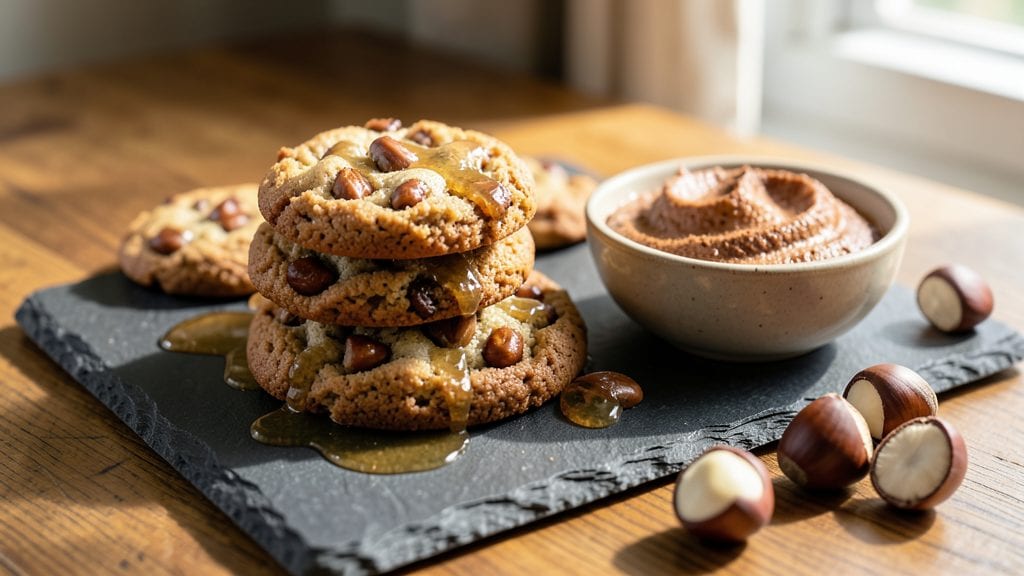
This chestnut cookies recipe transforms simple pantry staples into nutty vanilla swirls with a toasted crunch that rivals bakery treats. The secret lies in properly preparing the chestnuts—roasting them until fragrant and peeling away the skins creates that signature toasted depth.
I developed this recipe after struggling to find chestnut cookies that balanced sweetness with nutty complexity, and these deliver every time.
What makes these cookies special is the vanilla swirl—thick, fragrant, and perfectly folded into the dough for those signature marbled streaks. The dough comes together in just 15 minutes, then bakes at 350°F for 10-12 minutes to achieve crisp edges and soft centers.
The chestnuts add a satisfying crunch that contrasts beautifully with the tender cookie texture.
By the time they emerge from the oven, you'll have cookies with golden-brown edges, a tender interior, and pockets of vanilla swirl throughout. The aroma alone will have everyone gathering around your kitchen, and the first bite delivers that perfect balance of sweetness and nutty richness.
These cookies stay fresh in an airtight container for up to a week, though they rarely last that long.
The best part? You can customize them with powdered sugar dusting, chocolate drizzle, or even a sprinkle of flaky sea salt for extra dimension. Whether you're baking for a holiday gathering or treating yourself to a special dessert, these chestnut cookies are sure to impress.
Here's how to make them perfectly every time.
Ingredients for chestnut cookies
Simple pantry staples meet roasted chestnuts for cookies with nutty vanilla swirls that taste homemade.
| Ingredient | Amount | Notes |
|---|---|---|
| Fresh Chestnuts 🌰 | 1 ½ cups | Roasted, peeled, and chopped fine |
| All-Purpose Flour 🌾 | 2 ½ cups | Sifted for light texture |
| Granulated Sugar 🍚 | 1 cup | White or light brown |
| Unsalted Butter 🧈 | 1 cup | Cold, cubed for dough |
| Pure Vanilla Extract 🌿 | 2 tsp | High-quality, Madagascar preferred |
| Large Eggs 🥚 | 2 whole | Room temperature for blending |
| Baking Powder 🍞 | 1 tsp | Freshly opened for lift |
| Fine Sea Salt 🧂 | ½ tsp | Diamond Crystal preferred |
| Vanilla Bean Paste 🌸 | 1 tbsp | For intense vanilla flavor |
| Powdered Sugar 🍚 | ¼ cup | For dusting finished cookies |
| Dark Chocolate Chips 🍫 | ½ cup | Optional, for extra richness |
The chestnuts are the star—buy them pre-peeled at specialty stores like Whole Foods or Trader Joe's to save time, but if you're roasting them yourself, look for firm, unblemished chestnuts with a glossy sheen. Roast at 400°F for 20 minutes, then peel under running water for that signature toasted aroma. I always toast an extra batch to freeze for future baking—just chop and store in the freezer for up to 6 months. The vanilla bean paste is worth the splurge here; Madagascar or Tahitian varieties add depth that regular extract can't match.
No vanilla bean paste? Double the extract and add a pinch of almond extract for complexity. Substituting chestnuts? Toasted pecans or hazelnuts work, but the flavor will shift slightly. For the flour, King Arthur or Gold Medal brands are ideal—they're sifted and consistent. If you're avoiding gluten, swap for a 1:1 gluten-free flour blend, but expect slightly denser cookies. The butter should be cold and cubed when mixed into the dough; this ensures proper layering and prevents overmixing. And if you're feeling fancy, fold in white chocolate chunks alongside the dark chocolate chips for a marbled effect.
These cookies stay fresh for 5-7 days in an airtight container, though they're best enjoyed within the first 2 days when the chestnuts are at their crispest. For longer storage, freeze the dough balls in a single layer before baking—they'll keep for up to 3 months. Bake only what you need, as the texture changes slightly after reheating. The powdered sugar dusting should be done right after baking while the cookies are still warm; use a fine-mesh sieve for an even, snowy finish. Store leftovers in layers separated by parchment paper to maintain crispness.
Why You'll Love This Recipe
- No Peel, No Stress: The fresh chestnuts here just need a quick roast—no peeling required. I toss them whole in the oven, crack them open, and scoop out the tender meat. That’s it. No mess, no fuss, and zero food waste.
- Buttery Chestnut Magic: That rich butter and vanilla turns the chestnut puree into something ridiculously good—like a cross between a shortbread cookie and a holiday treat. Honestly, the first bite makes you wonder why you haven’t been baking these all along.
- Holiday or Snack Attack: These cookies feel fancy enough for Christmas cookie platters but simple enough for a midweek craving. I’ve served them at potlucks, packed them in lunchboxes, and even eaten them straight from the jar. Versatile? Absolutely.
- Dollar Stretcher: Chestnuts are cheaper than nuts, and a batch of dough lasts for days. I’ve reheated leftovers in the oven for breakfast toast—yes, really—and the flavor only gets better. Budget-friendly doesn’t mean boring, especially here.
Step-by-step instructions for chestnut cookies recipe
Here's how to create these rich, nutty cookies with a perfect vanilla swirl and toasted chestnut crunch.
Roast and Prepare the Chestnuts
Preheat your oven to 375°F. Spread the 1.5 cups fresh chestnuts on a baking sheet and roast for 20-25 minutes until the skins begin to crack open. Let them cool slightly, then peel off the skins and chop them into fine pieces—you should have about 1 cup of chopped chestnuts. The texture should be slightly grainy but still tender.
This roasting step is crucial—it deepens the chestnut flavor and removes any bitterness. If you're short on time, you can use 1 cup store-bought roasted chestnuts, but freshly roasted will give you that superior toasted crunch. Set the chopped chestnuts aside for the dough.
Mix Dry Ingredients and Cream Butter and Sugar
In a medium bowl, whisk together the 2.5 cups all-purpose flour, 1 tsp baking powder, and 0.5 tsp fine sea salt. Sift the mixture once to remove any lumps—this ensures a light, tender cookie. Set aside. In a separate large bowl, beat the 1 cup unsalted butter and 1 cup granulated sugar together using an electric mixer on medium speed for 3-4 minutes until light and fluffy. The mixture should be pale and nearly doubled in volume.
This creaming process incorporates air, which creates those beautiful crackly tops and helps the cookies spread just enough. If your butter is too soft, chill the bowl for 10 minutes before starting—room temperature butter is key, but not too warm.
Combine Wet Ingredients and Fold in Chestnuts
Add the 2 whole large eggs, 2 tsp pure vanilla extract, and 1 tbsp vanilla bean paste to the butter-sugar mixture. Beat on low speed for 1 minute until fully combined. Scrape down the sides of the bowl, then gradually add the dry ingredients, mixing on low speed just until incorporated. Fold in the 1 cup chopped chestnuts and 0.5 cup dark chocolate chips using a spatula—be gentle to avoid overmixing.
The dough will be thick and slightly sticky, but that's perfect. If it feels too dry, add 1 tsp milk to help bind it. Divide the dough into 4 equal portions, flatten each into a 6-inch circle, and wrap tightly in plastic wrap. Chill for at least 1 hour—this step prevents excessive spreading and enhances the chestnut flavor.
Roll, Swirl, and Bake to Perfection
Preheat your oven to 350°F and line two baking sheets with parchment paper. On a lightly floured surface, roll one chilled dough portion into a 12-inch circle about 1/4-inch thick. Spread 2 tbsp powdered sugar evenly over the dough, then use a sharp knife to make 8-10 swirls from the outer edge toward the center. Gently roll the dough into a log, then coil it into a 2-inch diameter spiral on the prepared baking sheet.
Bake for 18-22 minutes until the edges are golden brown and the center feels slightly firm to the touch. The cookies will continue cooking as they cool, so remove them when the edges are just set. Let them cool on the baking sheet for 5 minutes before transferring to a wire rack. Repeat with the remaining dough portions.
Dust and Serve Warm
Once completely cooled, dust the cookies generously with powdered sugar using a fine-mesh sieve. The sugar will cling to the swirls, adding a delicate sweetness that balances the nutty chestnut flavor. Serve warm for the best texture—each bite should offer a perfect contrast of crispy edges, tender centers, and toasted chestnut crunch.
These cookies keep well in an airtight container for 5 days, but they're best enjoyed fresh. For extra indulgence, pair with a cup of spiced chai or a glass of vanilla-infused milk. The vanilla bean paste adds a depth of flavor that pure extract can't match, making these cookies truly special.
Pro Tips For Making Chestnut Cookies
- PEEL CHESTNUTS FIRST: Fresh chestnuts are stubborn—if you try to peel them after roasting, you’ll end up with a mess. Slip a knife under the seam and peel them raw, then roast them whole. The skins will slide off cleanly afterward, and you’ll save yourself 10 minutes of frustration.
- CHILL THE DOUGH: Chestnut dough is dense and can spread unevenly. After mixing, pop it in the fridge for at least 30 minutes—yes, even if you’re eager to bake. This keeps the cookies from flattening into sad pancakes and lets the flavors meld.
- USE ROOM-TEMP BUTTER: Cold butter creates pockets in the dough, but if it’s too cold, the cookies won’t spread. Take the butter out of the fridge 15 minutes before mixing—just until it’s soft enough to press with your finger but not greasy. This gives you the best of both worlds.
- TOAST THE FLOUR: Chestnuts have a rich, earthy flavor, and raw flour can mute it. Lightly toast the flour in a dry pan for 2-3 minutes until it smells nutty. It’s a tiny step, but it deepens the cookie’s taste without adding extra ingredients.
Regional styles of this recipe
Italian Dolce Tradition
In Italy, chestnut cookies are a beloved autumn treat called "castagnaccio" or "frittelle di castagne." These traditional versions often feature chestnut flour instead of chopped nuts, creating a denser, almost cake-like texture.
I love adding orange zest and cinnamon to the dough for a warm, spiced flavor that pairs perfectly with Italian espresso.
For an authentic touch, use chestnut flour (available at specialty stores like Whole Foods or online) and reduce the all-purpose flour to 2 cups—this keeps the cookies moist and nutty. 🌰
French Marron Glacé Twist
France elevates chestnut cookies with "marrons glacé"—candied chestnuts that add a luxurious sweetness. Instead of roasting, French bakers often use pre-candied chestnuts (like those from Ladurée or Fauchon), which you can finely chop and fold into the dough.
For a French-inspired version, replace half the sugar with honey and add 1 tsp almond extract to complement the candied nuts. The result is a cookie with a caramelized depth and a velvety texture. 🍯
German Nusshörnchen Adaptation
Germany’s "Nusshörnchen" (nut horns) often incorporate chestnuts alongside walnuts or hazelnuts for a hearty, buttery cookie. To adapt this recipe, swap half the chestnuts for toasted walnuts and add 1 tsp cardamom to the dough for a Nordic twist.
German bakers also love dusting the finished cookies with powdered sugar mixed with a pinch of cinnamon—this adds warmth and a festive touch. These cookies are perfect with black coffee or mulled wine during the holidays. ☕
American Chestnut Pecan Hybrid
In the American South, chestnut cookies often blend with pecans for a richer, buttery flavor. Replace half the chestnuts with toasted pecan halves and add 1 tsp bourbon to the dough for a smoky depth.
Southern bakers also love finishing the cookies with a drizzle of melted white chocolate and a sprinkle of flaky sea salt—this balances the sweetness and adds a gourmet touch. These cookies pair beautifully with sweet tea or bourbon-infused cream. 🥄
Scandinavian Spiced Chestnut
Scandinavian bakers infuse chestnut cookies with warm spices like star anise and cloves, creating a cozy, aromatic treat. To recreate this, add ½ tsp ground star anise and ½ tsp cloves to the dough, along with 1 tsp orange zest.
The spices shine when paired with lingonberry jam as a filling for a stuffed cookie variation. These cookies are a staple during Jul (Christmas) celebrations and taste even better when stored in an airtight container for 3-4 days to let the flavors meld. ❄️
Nutrition facts
Frequently asked questions
Why do I need to roast the chestnuts first?
Roasting enhances the chestnuts' natural sweetness and removes any bitterness, creating that signature toasted aroma. Fresh chestnuts contain tannins that need heat to mellow out—skipping this step results in a bland, almost chalky texture. For best results, roast at 375°F for 20-25 minutes until skins crack open.
Can I substitute chestnuts with another nut?
Yes, but expect a flavor shift. Toasted pecans or hazelnuts work best—use the same amount (1 cup chopped). For a closer match, add ½ tsp cinnamon to compensate for chestnuts' earthy notes. Walnuts are too strong, while almonds lack the same depth. Always toast your substitute nuts first!
How do I fix dough that's too sticky?
Add 1-2 tablespoons cold milk or heavy cream to help bind the dough. If it's still too wet, chill for 15 extra minutes to firm up. Avoid overmixing—just fold in the chestnuts gently. The dough should hold its shape when rolled but still be pliable. Too dry? Add 1 teaspoon milk at a time until workable.
Why did my cookies spread too much?
Overmixing the dough or using warm butter are the most common causes. Chill the dough for at least 1 hour before rolling, and ensure your butter is cold but not frozen. Also, roll the dough to ¼-inch thickness—thinner dough spreads more. For thicker cookies, use 1 less tablespoon flour per batch.
How long can I store the dough before baking?
Wrapped tightly in plastic, the dough keeps for up to 3 days in the fridge or 3 months in the freezer. Thaw frozen dough in the fridge overnight before rolling. For best texture, bake within 24 hours of shaping—the chestnuts lose crispness over time. Store baked cookies in an airtight container for 5-7 days.