
Desserts
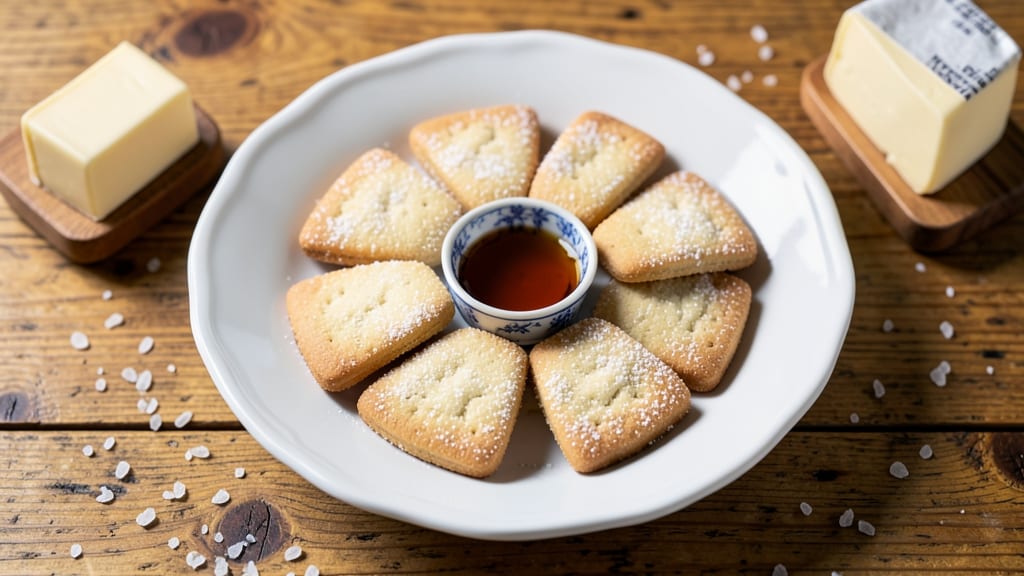
This classic shortbread cookie recipe delivers the perfect balance of buttery crunch and tender crumb, a timeless treat that’s been baking its way into kitchens for generations. The secret lies in precise measurements and gentle handling—no mixer needed, just a fork and cold butter for that signature melt-in-your-mouth texture.
I’ve baked these for holiday gifts and family gatherings, and they never disappoint.
What makes these shortbreads truly special is the vanilla infusion, which adds depth without overpowering the buttery richness. Traditional techniques like cutting shapes with a glass ensure clean edges, while baking at a steady 325°F guarantees a golden, crisp exterior.
The dough is simple—just flour, sugar, butter, and vanilla—but the results are anything but basic.
By the time these cookies emerge from the oven, you’ll have delicate, crumbly squares with a subtle vanilla aroma that lingers long after the last bite. They’re sturdy enough to stack for gifting or layer in dessert platters, yet tender enough to melt on your tongue.
The buttery flavor shines through, making these the ultimate no-fuss dessert.
For extra flair, try adding lemon zest or crushed nuts to the dough before baking. These variations keep the classic profile while adding exciting twists. Let’s get baking—your kitchen will smell like comfort in minutes.
Ingredients for classic shortbread cookie
Six ingredients. One fork. Timeless buttery magic in every bite.
| Ingredient | Amount | Notes |
|---|---|---|
| Unsalted Butter 🧈 | 1 cup | Cold, cut into small cubes |
| All-Purpose Flour 🌾 | 2 cups | Sifted, spooned and leveled |
| Granulated Sugar 🍚 | ½ cup | Superfine preferred for smooth texture |
| Pure Vanilla Extract 🌸 | 1 tbsp | High-quality, not imitation |
| Fine Sea Salt 🧂 | ½ tsp | Kosher or table salt |
| Granulated Sugar (for coating) 🍚 | ¼ cup | Extra-fine for dusting |
The butter is non-negotiable—European-style if you want extra richness, but good old Land O'Lakes unsalted works perfectly fine. Grab it from the back of the fridge (yes, the coldest part) and cut it into tiny cubes—this keeps the dough cold and prevents melting. The sugar matters too: superfine dissolves better, but if you only have regular granulated, pulse it in a food processor first. I always buy my vanilla from Trader Joe's—their pure extract has that deep, real flavor. Pro tip: if your butter feels too soft, pop it in the freezer for 10 minutes before starting.
No vanilla extract? Vanilla bean paste works just as well—just use half the amount. Short on sugar? Powdered sugar at the same quantity gives a slightly different texture but still delicious. The salt is key—use fine sea salt for even distribution. If you're feeling fancy, swap the plain sugar coating for turbinado or pearl sugar for a crunchy surprise. And if you're worried about the dough being too crumbly, add 1 tbsp sour cream or yogurt for extra tenderness. The dough should hold together when pressed but still feel cool to the touch—if it's too warm, chill it for 20 minutes.
These cookies keep for 5-7 days in an airtight container, though they're usually gone in hours. For gifting, wrap them in wax paper and tie with ribbon—they'll stay fresh for up to 2 weeks if stored in a cool, dark place. Freeze the dough balls for up to 3 months—just bake straight from frozen, adding 2-3 minutes to the time. I always make a double batch because they disappear faster than you can say 'shortbread.' Store the extra dough in the fridge for up to 2 days—it's perfect for last-minute baking.
Why You'll Love This Recipe
- Five-Ingredient Magic: I swear by this recipe—just butter, flour, sugar, vanilla, and salt. That’s it. No fancy mix-ins, no last-minute grocery runs. The simplicity is what makes it foolproof every single time.
- Buttery Bliss: The moment those cookies hit the oven, the aroma of cold butter melting into golden perfection is chef’s kiss. Crumbly outside, tender inside—it’s the kind of texture that makes you pause mid-bite. Honestly, I’ve tried store-bought, but nothing beats the real deal.
- Long-Lasting Love: A batch lasts forever in my house. Store them in an airtight container, and they stay fresh for weeks (yes, really). Plus, they’re cheap to make—just a handful of pantry staples—and the leftovers? Always disappear faster than I can say “seconds, please.”
Step-by-step instructions for classic shortbread cookies
Here's how to make these timeless buttery cookies with perfect crumb and vanilla magic.
Cut and Cream the Cold Butter
Cut the 1 cup unsalted butter into small cubes and place them in the bowl of a stand mixer fitted with the paddle attachment. Chilling the butter is key—it should be firm but not rock-hard. I like to keep it in the fridge for about 15 minutes before starting if it's been sitting out.
Mix the butter on medium speed until it's light and fluffy, about 3-4 minutes. You'll see it go from a solid mass to a pale, almost whipped texture. This step is what creates that signature shortbread crumb. Don't rush it—this is where the texture magic happens. If your butter gets too warm, pop the bowl in the freezer for 5 minutes to firm it up again.
Add Sugar and Vanilla for Sweetness
Add the 0.5 cup granulated sugar and 1 tablespoon pure vanilla extract to the creamed butter. Mix on medium speed for another 2-3 minutes until the sugar is fully incorporated and the mixture is smooth. The sugar should dissolve completely, leaving no gritty bits.
Here's the thing—using superfine sugar makes a difference. It dissolves faster and creates a smoother texture. If you don't have superfine, pulse regular granulated sugar in a food processor for 30 seconds to break it down. The vanilla extract should be high-quality; imitation won't give you that authentic shortbread flavor. Mix just until combined—overmixing can develop gluten in the flour we're about to add.
Gradually Incorporate the Dry Ingredients
In a separate bowl, whisk together the 2 cups all-purpose flour and 0.5 teaspoon fine sea salt. The salt might seem like a small amount, but it's crucial for balancing the sweetness and enhancing the buttery flavor. Sift the flour mixture directly into the mixer bowl with the butter mixture.
Mix on low speed for 1-2 minutes until the dough just comes together. You'll see streaks of flour at first, but they should disappear as the dough forms. Be careful not to overmix—this is where shortbread dough can turn tough. The dough should be slightly crumbly but hold together when pressed. If it's too dry, add 1 teaspoon of ice water to help it come together.
Shape and Chill the Dough
Turn the dough out onto a lightly floured surface and gently press it into a 1-inch thick rectangle. Wrap it tightly in plastic wrap and refrigerate for at least 2 hours—overnight is even better. Chilling firms up the dough and makes it easier to cut clean edges. This step is non-negotiable; skipping it will result in cookies that spread too much during baking.
While the dough chills, preheat your oven to 325°F. Line two baking sheets with parchment paper. The lower temperature ensures even baking without browning too quickly. The dough should be cold and firm when you're ready to cut—you'll know it's ready when it springs back slowly when pressed with your finger.
Cut, Coat, and Bake to Golden Perfection
Roll out the chilled dough to ¼-inch thickness on a lightly floured surface. Use a 2-inch round cutter to cut out cookies, pressing straight down without twisting. Place them 1 inch apart on the prepared baking sheets. For extra crunch, dip the tops of each cookie in the 0.25 cup granulated sugar (for coating) and tap off any excess.
Bake for 12-15 minutes until the edges are light golden brown and the centers look just slightly underbaked. They'll firm up as they cool. Rotate the pans halfway through for even baking. The cookies should be crisp around the edges with a tender center—this is classic shortbread texture. Let them cool on the baking sheets for 5 minutes before transferring to a wire rack to cool completely.
Pro Tips For Making Classic Shortbread Cookie
- Chill the Dough: DESCRIPTION: Pop the dough in the fridge for at least 30 minutes—no, not just 10—before rolling. I learned this the hard way when my first batch spread like a pancake. Cold butter behaves, and that’s what gives shortbread its signature crispness and clean edges.
- Cut the Butter Cold: DESCRIPTION: Use unsalted butter straight from the fridge, cut into small cubes, not softened. I used to pull it out early to "save time," but that’s how you end up with greasy cookies instead of melt-in-your-mouth perfection.
- Skip the Overmixing: DESCRIPTION: Mix the dough just until the flour disappears—about 10 strokes max. Overworking it develops gluten, and that’s how you turn shortbread into a sad, dense cracker. Keep it rough and buttery.
- Press for Even Heat: DESCRIPTION: Use a baking sheet with parchment paper, and press the dough gently into the pan with your fingers. No rolling pin—just enough pressure to fill the corners. Uneven pressing = uneven baking, and nobody wants a half-cooked center.
Make-ahead tips for this dish
Dough Prep Ahead
Make your life easier by preparing the dough up to 2 days in advance. After shaping it into a 1-inch thick rectangle, wrap tightly in plastic wrap and refrigerate. The longer it rests, the easier it is to roll out and cut clean shapes.
I often make the dough the night before so I can enjoy a stress-free morning bake. 🌙
Freeze for Later
For ultimate convenience, freeze the shaped dough rectangle for up to 3 months. Wrap it tightly in plastic wrap and place it in a freezer bag. When ready to bake, thaw in the fridge overnight.
The texture remains perfect—no need to adjust baking time. This is my go-to method for holiday baking when I know I'll be busy. ❄️
Cut and Store Shapes
After cutting your cookies, store them in an airtight container layered with parchment paper. They'll stay fresh for 5-7 days at room temperature. For longer storage, freeze unbaked cookies on a tray for 1 hour, then transfer to a freezer bag.
Bake straight from frozen, adding 2-3 extra minutes to the time. I always make a batch to keep on hand for last-minute guests. 🧊
Gift-Worthy Packaging
For gifting, wrap cooled cookies in wax paper and tie with a ribbon. Place them in a sturdy box or tin for transport. These cookies stay fresh for up to 2 weeks if stored in a cool, dark place.
I love adding a handwritten note about the recipe—it makes the gift feel extra special. Perfect for teachers, neighbors, or holiday exchanges! 🎁
Double Batch Hack
Shortbread dough keeps well, so make a double batch and store half in the fridge. The dough will stay fresh for up to 2 days in the fridge, making it perfect for spontaneous baking.
I often use this trick when I know I'll have company—I can pull out the dough and have fresh cookies ready in no time. 💡
Reheat for Warm Serve
While shortbread is best at room temperature, you can warm them gently for 10-15 seconds in the microwave if you prefer. Place them on a microwave-safe plate and cover with a damp paper towel to prevent drying.
This works well for serving with tea or coffee when you want that freshly baked aroma. Just be careful—they can dry out quickly! ☕
Nutrition facts
Frequently asked questions
Why does my shortbread dough keep crumbling?
The dough should be slightly crumbly but hold together when pressed. If it's too dry, add 1 teaspoon ice water at a time until it comes together. Overmixing or using warm butter can also make the dough tough and crumbly. Always chill the dough for at least 2 hours before rolling—this helps the flour absorb moisture.
Can I use salted butter instead of unsalted?
Yes, but reduce the added salt to ¼ teaspoon since salted butter already contains about ½ teaspoon per cup. The flavor will still be delicious, though unsalted butter gives you more control over the final taste. For best results, stick with unsalted butter and measure the salt carefully.
How do I get perfectly round shortbread cookies?
Use a 2-inch round cutter and press straight down without twisting. Roll the dough to ¼-inch thickness for even cutting. For extra precision, dip the cutter in flour between cuts. Chill the dough thoroughly before cutting—this prevents spreading and ensures clean edges. A glass can also work in a pinch!
What if my shortbread turns out too brown?
Bake at 325°F and check for doneness at 12 minutes. Overbrowning usually means the oven runs hot or the cookies are too close together. Use parchment paper and space them 1 inch apart. For a lighter color, try baking at 300°F for 15-18 minutes. Shortbread is best slightly underbaked—it firms up as it cools.
Can I add mix-ins like nuts or chocolate?
Yes, but keep them minimal—½ cup chopped nuts or white chocolate chips max. Fold them in gently after mixing the dry ingredients. Overloading can make the dough too dense. For a classic twist, try lemon zest or orange blossom water instead. The buttery flavor should still shine through!