
Desserts
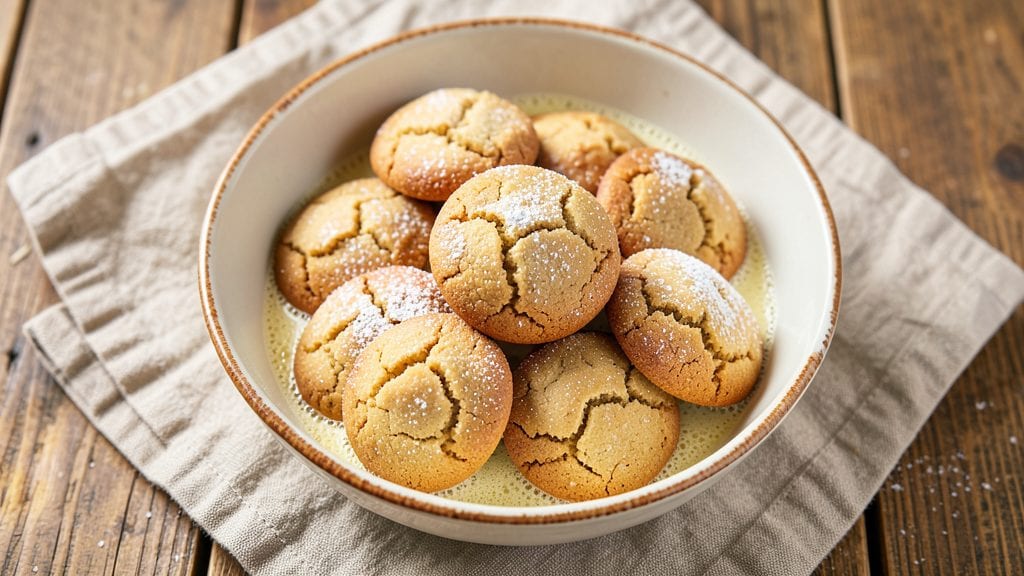
This kolachy cookies recipe brings the warm, spiced sweetness of Czech holidays straight to your kitchen, where every bite carries the magic of tradition.
The dough, enriched with butter and yeast, transforms into tender, pillowy pastries filled with poppy seeds, sweet cheese, or jam—a taste of home that’s been handed down through generations.
What makes these cookies special is their foolproof method, designed to deliver perfectly proofed dough and golden-brown pastries every time, even for beginners.
The heart of kolachy lies in its yeast-based dough, which requires patience but rewards you with a light, airy texture that’s impossible to resist. You’ll shape the dough into small rolls, fill them with your choice of sweet filling, and bake until they’re golden and fragrant.
The key is getting the dough just right—neither too sticky nor too firm—so it holds its shape while baking. This recipe includes both traditional and modern adaptations, ensuring you can enjoy kolachy whether you’re sticking to classic methods or exploring gluten-free or vegan versions.
By the time you pull these kolachy from the oven, your kitchen will smell like a Czech bakery, and the aroma alone will draw everyone to the table. The pastries are soft yet sturdy, with a slightly crisp exterior that gives way to a tender, buttery interior.
Whether you’re celebrating Christmas, Easter, or just craving a taste of holiday magic, these kolachy deliver restaurant-quality results with minimal effort. Let’s get started on creating these timeless treats.
Kolachy are incredibly versatile—serve them warm with a dusting of powdered sugar, or save them for later in an airtight container. They pair beautifully with coffee, tea, or even as a sweet ending to a hearty meal.
This recipe ensures you’ll have a batch ready for any occasion, whether it’s a family gathering or a quiet afternoon indulgence. Here’s how to make them perfectly every time.
Ingredients for kolachy cookies
Twelve ingredients transform into Czech holiday magic with every tender, pillowy bite.
| Ingredient | Amount | Notes |
|---|---|---|
| All-Purpose Flour 🌾 | 4 cups | Sifted for light texture |
| Unsalted Butter 🧈 | 1 cup | Cold, cubed for dough |
| Granulated Sugar 🍚 | ¼ cup | White or light brown |
| Large Eggs 🥚 | 1 whole | Room temperature |
| Active Dry Yeast 🍞 | ½ tsp | Fresh or packet |
| Warm Milk 🥛 | ½ cup | 110°F, not hot |
| Salt 🧂 | ½ tsp | Fine sea salt |
| Vanilla Extract 🌸 | 1 tsp | Pure vanilla |
| Poppy Seeds 🌻 | ½ cup | For classic filling |
| Sweetened Farmer's Cheese 🧀 | 1 cup | Cottage cheese works |
| Raisins 🍇 | ½ cup | Optional, chopped fine |
| Powdered Sugar 🍚 | ¼ cup | For dusting |
| Jam 🍓 | ½ cup | Strawberry or apricot |
The butter and yeast are non-negotiable for that signature lightness. European-style butter (like Plugrá or Land O'Lakes) has higher fat content, which gives the dough extra richness. Grab the yeast from the refrigerated section—it’s fresher than the shelf-packed kind. The flour should be all-purpose, not bread flour, unless you’re making a denser version. For the milk, warm it to about 110°F—too hot kills the yeast, too cold slows it down. I always double-check the yeast expiration date (it’s on the packet).
No poppy seeds? Toasted walnuts or almonds work beautifully—just chop them fine. Farmer’s cheese hard to find? Cottage cheese or ricotta blends in nicely, though the texture’s slightly different. Jam lovers can swap the raisins entirely. For a vegan version, use nutritional yeast plus flax eggs and dairy-free butter. The vanilla extract matters—imitation smells like chemicals. Always grab the pure stuff, even if it’s pricier. If you’re short on time, pre-made dough (like store-bought pie crust) can be rolled out and filled, though homemade tastes infinitely better.
Dough keeps for 2 days in the fridge, wrapped tightly in plastic. For longer storage, freeze portions for up to 3 months. The fillings? Poppy seed mix stays fresh 1 week in the fridge, while jam lasts 2 months unopened. I like baking half the batch fresh, then freezing the rest—just thaw before serving. The powdered sugar dusting? Use it within 2 weeks of opening for the best flavor.
Why You'll Love This Recipe
- No Yeast Stress: I swear by this dough—just mix, chill, roll. No kneading, no waiting hours for yeast to wake up. That butter-rich dough comes together faster than takeout, and honestly? It’s forgiving if I forget to proof it overnight.
- Buttery Sweet Magic: The sugar and butter blend creates this melt-in-your-mouth texture—like a cross between a cookie and a soft pretzel. That yeast gives it a subtle lift, so it’s never flat or dry. (My kids fight over the last one, and I don’t even bake them fancy.)
- Breakfast or Snack Hero: These are my go-to for busy mornings—toss a few in a lunchbox, or serve warm with jam for a lazy weekend. Even my coffee-drinking husband grabs one on his way out the door. (Yes, even on a Tuesday.)
- Pantry-Friendly & Stretches Far: I keep flour, sugar, and butter stocked anyway, so this recipe costs next to nothing. A single batch makes 20+ cookies, and they freeze like a dream. No wasted dough, no sad leftovers—just pure, repeatable satisfaction.
Step-by-step instructions for kolachy cookies
Here's how to make these classic Czech holiday cookies with a tender dough and sweet filling.
Prepare the Yeast Dough
In a small bowl, combine the 0.5 cup warm milk (110°F) with the 0.5 tsp active dry yeast and let sit for 5-10 minutes until foamy. This activates the yeast and ensures your dough rises properly. While waiting, sift the 4 cups all-purpose flour into a large mixing bowl to aerate it—this creates a lighter texture.
Add the 1 cup cold cubed unsalted butter, 0.25 cup granulated sugar, 1 whole large egg, 0.5 tsp salt, and 1 tsp vanilla extract to the flour. Mix with a wooden spoon until crumbly, then gradually incorporate the yeast mixture. Knead the dough by hand for 8-10 minutes until smooth and elastic. It should feel slightly tacky but not sticky. If it's too dry, add 1 teaspoon warm milk at a time until just combined.
Shape and Fill the Kolachy
Divide the dough into 12 equal pieces (about 2 ounces each) and roll each into a 3-inch log about 1 inch thick. Flatten each log slightly with your palm, then make a ½-inch deep indentation in the center using your thumb. This creates the classic pocket for the filling.
For the filling, mix together the 1 cup sweetened farmer's cheese, 0.5 cup raisins (chopped if large), and 0.5 cup jam in a small bowl until well combined. Spoon about 1 tablespoon of filling into each indentation, then gently press the dough edges together to seal. Roll each filled piece between your palms to smooth the surface. Place on a parchment-lined baking sheet and cover with a clean kitchen towel.
Proof the Dough
Let the shaped kolachy rise in a warm place for 1-1½ hours until nearly doubled in size. They should look puffy and slightly domed. I like to place them in a slightly turned-off oven with the light on for even warmth—this prevents drafts that can cause uneven rising. Gently press down on one to test—if it springs back slowly, they're ready.
While they proof, preheat your oven to 350°F. The warm oven will help them bake evenly without collapsing. Arrange the kolachy on the baking sheet with about 1 inch between each for proper air circulation. Sprinkle generously with 0.5 cup poppy seeds just before baking for that classic crunchy topping.
Bake to Golden Perfection
Bake for 20-25 minutes until the kolachy are golden brown all over and sound hollow when tapped on the bottom. The edges should be slightly crisp while the centers remain soft. Rotate the baking sheet halfway through for even browning. Let them cool on the baking sheet for 5 minutes before transferring to a wire rack.
For serving, dust with 0.25 cup powdered sugar just before eating. The contrast of warm, tender cookies with the sweet powdered sugar makes them irresistible. These taste best fresh from the oven, so enjoy them while still warm—perfect for holiday gatherings or as a sweet treat with coffee.
Pro Tips For Making Kolachy Cookies
- Chill the Dough: DESCRIPTION: After kneading, pop the dough in the fridge for at least 2 hours—yes, even if you’re eager to shape them. I used to skip this and ended up with dense, uneven kolachy that spread like pancakes in the oven. Cold dough rises slower, holds its shape better, and gives you that perfect tender crumb.
- Use Room-Temp Butter: DESCRIPTION: Take the butter out of the fridge 30 minutes before mixing—soft enough to press with a finger but not greasy. I learned this after my first batch turned out greasy and sticky; the dough couldn’t hold together. Room-temp butter incorporates smoothly and creates a lighter texture.
- Don’t Overwork the Yeast: DESCRIPTION: Mix the yeast with warm water (105–110°F) and sugar, then wait exactly 5–10 minutes until frothy before adding to the dough. I once rushed this and ended up with flat, flavorless kolachy—yeast needs time to activate properly. Patience here makes all the difference.
- Shape Tightly, Fill Generously: DESCRIPTION: Roll the dough into balls slightly smaller than a golf ball, then press the filling into the center firmly—no half-hearted stuffing. I used to underfill, and the jam or cheese would ooze out during baking. A tight seal keeps the filling where it belongs.
Common mistakes when making great kolachy cookies
Overproofed Dough
The biggest mistake I see is letting the dough rise too long. If your kolachy look flat or deflated after proofing, you’ve likely overproofed them. The dough should nearly double in size—about 1-1½ hours in a warm spot.
If your kitchen is cold, use a slightly turned-off oven with the light on for consistent warmth. Overproofed dough loses its structure and becomes dense, ruining that signature pillowy texture. 🌱
Underworked Dough
Skipping proper kneading leads to tough, uneven kolachy. The dough needs 8-10 minutes of hand-kneading to develop gluten properly. If it feels sticky or crumbly, you haven’t kneaded enough.
Test by stretching a small piece—it should resist tearing and spring back slightly. Underworked dough won’t hold its shape during baking, causing messy, misshapen kolachy.
Filling Too Close
If your filling leaks out during baking, it’s likely too close to the edges. When creating the indentation, leave at least ½ inch of dough around the filling. Press the edges firmly to seal, but don’t overfill—1 tablespoon per kolache is perfect.
A well-sealed pocket ensures the filling stays put while baking, keeping your kolachy clean and professional-looking.
Incorrect Proofing Temp
Proofing in a cold or drafty spot slows yeast activity, leading to uneven rising. The ideal temperature is 75-80°F. If your kitchen is too cool, place the dough near a warm oven or under a heat lamp.
Avoid refrigerating the dough before proofing—this halts fermentation and causes flat, dense kolachy. A warm, draft-free environment is key for even, consistent rising.
Overbaking the Kolachy
Kolachy should be golden brown but still soft inside. If they’re rock-hard and dry, you’ve overbaked them. Check at 20 minutes—they’re done when they sound hollow when tapped on the bottom.
Overbaking dries out the dough and turns the filling rubbery. For best results, rotate the baking sheet halfway through for even browning and remove them promptly when done.
Skipping the Rest
Rushing to serve kolachy right after baking is a common mistake. Let them cool on the baking sheet for 5 minutes before transferring to a wire rack. This allows the filling to set slightly and prevents them from falling apart when dusted with powdered sugar.
Serving too soon can make them gummy and messy—patience ensures perfect texture and presentation. ✨
Nutrition facts
Frequently asked questions
What makes kolachy different from regular cookies?
Kolachy are traditional Czech sweet pastries with a yeast-based dough that creates a light, pillowy texture rather than the crispy or chewy texture of most cookies. They're typically filled with sweet cheese, poppy seeds, or jam and baked until golden brown. The dough requires proofing and shaping into small rolls, making them more like mini sweet breads than traditional cookies.
Can I make kolachy without yeast?
Yes! For a quick version, substitute the yeast with 1 teaspoon baking powder and 1 teaspoon baking soda in the dough. The texture will be denser and less airy, but still delicious. This works well for those short on time or who prefer a simpler method. The filling and shaping process remains the same.
How do I store kolachy for freshness?
Keep kolachy in an airtight container at room temperature for up to 3 days. For longer storage, freeze them for up to 3 months. To reheat, warm in a 350°F oven for 5-10 minutes until soft again. The filling stays fresh longer when the kolachy are properly sealed and stored.
What's the best way to seal the filling inside?
Press the dough edges firmly around the filling with your fingertips to create a tight seal. Leave at least ½ inch of dough around the filling to prevent leaks. Roll each piece gently between your palms to smooth the surface. If the dough feels too soft, chill it for 15 minutes before shaping to make sealing easier.
Can I use store-bought pie crust for kolachy?
While possible, homemade dough gives the best texture and flavor. If you must use store-bought, choose a high-fat pie crust (like puff pastry) for better results. Roll it thin, fill carefully, and seal tightly. The taste and texture won't match homemade, but it's a good shortcut for special occasions.