
Desserts
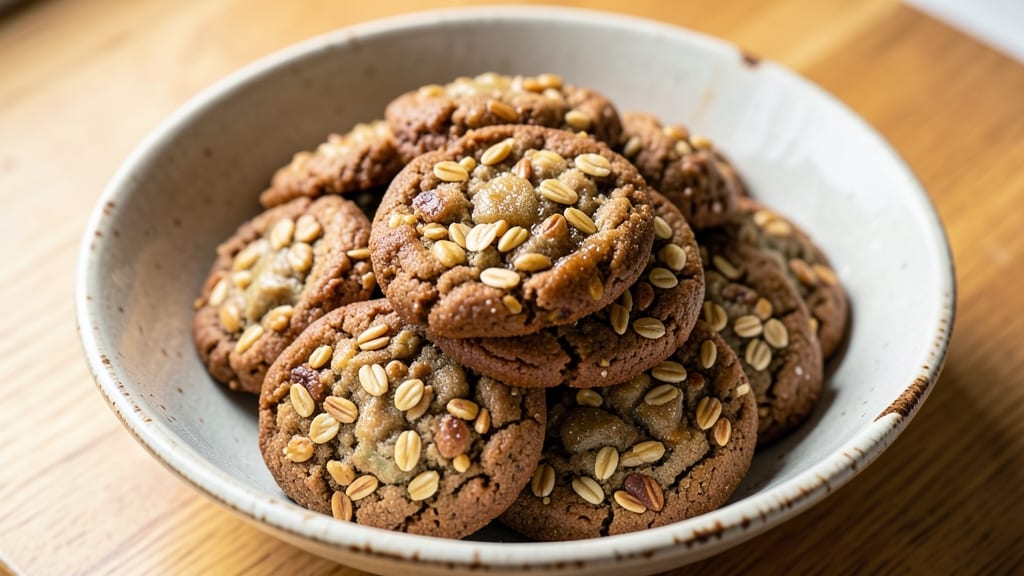
This old-fashioned Quaker oats cookie recipe delivers the nostalgic crunch and buttery richness that makes them a kitchen staple. The secret lies in the oats themselves—tenderizing the dough while adding a subtle grainy texture that sets these apart from classic chocolate chip cookies.
I've perfected this version over years of baking, ensuring every batch turns out with crisp edges and a chewy center that melts in your mouth.
The recipe requires just 10 ingredients, including Quaker old-fashioned rolled oats, which provide that signature hearty bite. A touch of vanilla extract swirls through the dough, adding warmth and depth without overpowering the buttery flavor.
The dough is rolled in oats before baking, creating those iconic crunchy pockets that make these cookies irresistible.
Baking at 350°F for 12-15 minutes ensures a golden-brown finish while keeping the centers soft and tender. The aroma of vanilla and butter fills your kitchen as they bake, making it impossible to resist pulling them out of the oven just a minute early.
These cookies are perfect for holiday gatherings, potlucks, or simply satisfying a mid-afternoon craving.
For variations, try adding chocolate chips, chopped nuts, or a sprinkle of cinnamon for extra flavor. Store in an airtight container for up to a week, though they rarely last that long. Let's get baking!
Ingredients for old fashioned quaker oats cookie
Ten simple ingredients transform into nostalgic oat cookies with crisp edges and chewy centers.
| Ingredient | Amount | Notes |
|---|---|---|
| Quaker Old-Fashioned Rolled Oats 🌾 | 1 ½ cups | Uncooked, not instant |
| Unsalted Butter 🧈 | 1 cup | Cold, cubed for dough |
| Granulated White Sugar 🍚 | 1 cup | Superfine preferred |
| Light Brown Sugar 🍚 | ½ cup | Packed firmly |
| Large Eggs 🥚 | 2 whole | Room temperature |
| Pure Vanilla Extract 🍯 | 1 tbsp | Not imitation |
| All-Purpose Flour 🌾 | 1 ½ cups | Sifted for lightness |
| Baking Soda 🧂 | ½ tsp | Freshly measured |
| Fine Sea Salt 🧂 | ½ tsp | Kosher preferred |
| Semisweet Chocolate Chips 🍫 | 1 cup | Enjoy Life brand optional |
The oats are non-negotiable—Quaker Old-Fashioned Rolled Oats give that signature texture. Bulk bins at Whole Foods or the classic red canister at grocery stores work best. Avoid quick oats; they're too soft. For the butter, European-style unsalted (like Plugrá) adds richness, but regular butter works fine. The brown sugar should be packed firmly—light brown for moisture, dark for deeper flavor. I always measure flour by spooning it into the cup, then leveling off—never scooping directly from the bag. Chocolate chips? Enjoy Life brand if you need gluten-free, but any quality brand works.
No vanilla extract? Vanilla bean paste at half the amount adds flecks of vanilla. Short on chocolate chips? Chopped walnuts or pecans work beautifully. The dough can be chilled for up to 48 hours for easier rolling, but don't skip the 15-minute rest before baking. For a nutty twist, add 1/2 cup chopped hazelnuts to the dough. The baking soda is critical—expired leavening makes flat cookies. Test it by mixing with vinegar; if it fizzes, it's good.
Roll the dough into balls, then coat them thoroughly in oats—this creates the iconic crunchy pockets. Bake at 350°F for 12-15 minutes; pull them out when edges are golden but centers still look soft. They firm up as they cool. Store in an airtight container for 5-7 days, though they rarely last that long. For freezer storage, bake first, then freeze on a tray before transferring to a bag—prevents sticking. Reheat at 300°F for 5 minutes to restore crispness.
Why You'll Love This Recipe
- No Fuss Mixing: The dough comes together in five minutes—just cream butter and sugars, toss in oats, then fold in eggs. No food processor, no overworking, just a sturdy spoon and your hands. (Yes, even if you’re the kind who burns toast.)
- Chewy-Crisp Magic: That buttery brown sugar and white sugar combo gives them a perfect snap around the edges while staying soft inside. The oats add texture without tasting like a granola bar—more like a hug in cookie form.
- Packable for Any Day: They hold up in lunchboxes for three days without getting soggy, and the kids (or your adult self) will actually eat them cold. Bonus: Freeze half the batch and pull them out when you’re too tired to bake.
- Pantry Staple Power: You’re already using butter, sugar, and eggs for everything else—this recipe just uses up what you have. No weird ingredients, no last-minute store runs. (I’ve made these with just oats, butter, and sugar when I forgot eggs.)
Step-by-step instructions for old fashioned Quaker oats cookies
Follow this method for cookies with perfect texture—crispy edges, chewy centers, and that nostalgic oat crunch.
Cream the Butter and Sugars Together
In a large mixing bowl, combine the 1 cup unsalted butter and 1 cup granulated white sugar. Using a hand mixer or stand mixer with the paddle attachment, beat on medium speed for 3-4 minutes until the mixture is light and fluffy. You'll notice it nearly doubles in volume and becomes pale in color—this incorporates air that creates the ideal texture.
Next, add the 0.5 cup light brown sugar and continue beating for another 1-2 minutes until the sugars are fully incorporated. The brown sugar adds moisture and depth of flavor, so don't skip this step. Here's the thing—if you rush this process, your cookies will turn out dense instead of chewy. Patience here makes all the difference.
Add Eggs and Vanilla Extract
With the mixer running on low speed, add the 2 whole large eggs, one at a time, mixing well after each addition. After the eggs are fully incorporated, add the 1 tablespoon pure vanilla extract and mix for another 30 seconds. The eggs bind the ingredients together, while the vanilla adds that classic, comforting aroma.
I always use room-temperature eggs for this recipe—they blend more smoothly into the dough. If your eggs are cold, the dough will be thicker and harder to mix. You'll see the mixture become smoother as it comes together, though it might look slightly curdled at first. That's normal and will resolve as you add the dry ingredients.
Mix in Oats, Flour, and Chocolate Chips
In a separate bowl, whisk together the 1.5 cups all-purpose flour, 0.5 teaspoon baking soda, and 0.5 teaspoon fine sea salt. This ensures the baking soda and salt are evenly distributed throughout the flour. Gradually add this mixture to the wet ingredients, mixing on low speed until just combined. You want to avoid overmixing, which develops gluten and can make the cookies tough.
Once the flour is incorporated, remove the bowl from the mixer and fold in the 1.5 cups quaker old-fashioned rolled oats and 1 cup semisweet chocolate chips using a silicone spatula. Be gentle here—overmixing after adding the oats can break them down, reducing that desirable crunch. The dough should be thick and slightly sticky, holding its shape when pressed together.
Chill the Dough for Perfect Texture
Cover the bowl with plastic wrap and refrigerate the dough for at least 1 hour, or up to 24 hours. Chilling the dough is crucial—it allows the flour to fully hydrate and prevents the cookies from spreading too much in the oven. When you're ready to bake, the dough should be firm enough to handle but still pliable.
This step also intensifies the flavors, making each bite more aromatic. If you're short on time, you can freeze the dough in a log shape for up to 3 months, then slice and bake straight from frozen. Just add 2-3 minutes to the baking time in that case. The cold dough will yield cookies with crispy edges and a perfectly chewy center.
Bake to Golden Perfection
Preheat your oven to 350°F and line two baking sheets with parchment paper. Using a cookie scoop or tablespoon, drop rounded spoonfuls of dough onto the prepared baking sheets, spacing them 2 inches apart. They won't spread much, but giving them room ensures even baking.
Bake for 12-14 minutes, or until the edges are golden brown and the centers look slightly underdone. The cookies will continue to set as they cool, so don't overbake. When you remove them from the oven, let them cool on the baking sheet for 5 minutes before transferring to a wire rack. This brief rest prevents them from breaking apart as they firm up.
Pro Tips For Making Old Fashioned Quaker Oats Cookie
- Chill the Dough: After mixing, pop the dough in the fridge for at least 30 minutes—this isn’t just about waiting, it’s about preventing flat cookies. I used to skip it, and my cookies spread into sad, thin pancakes. Cold butter behaves better, and the texture stays chewy instead of greasy.
- Toast the Oats: Spread the rolled oats on a baking sheet and toast them at 325°F for 8–10 minutes until fragrant and lightly golden. This step cuts through the raw flavor and adds a nutty depth that plain oats can’t match—no, it’s not optional, it’s the thing that makes these cookies taste homemade.
- Cream the Butter Cold: Use cold, cut-up butter (not softened) when mixing with sugars. The dough will feel shaggy at first, but resist the urge to overwork it—this ensures tender cookies, not dense cakes. I learned this the hard way after making a butter-sugar paste that turned my batch into a brick.
- Underbake Slightly: Pull the cookies out when edges are set but centers still look soft (about 10–12 minutes at 350°F). They’ll firm up as they cool, and that’s how you get that perfect chewy bite. Overbaking turns them into hockey pucks, and nobody wants that.
Storing and reheating this dish
Room-Temp Revival
If your cookies have lost their crisp edges after sitting overnight, revive them by placing them on a baking sheet and heating at 300°F for 4-5 minutes. This gentle warmth restores their texture without drying them out.
I always do this when I want to serve them fresh from the fridge—it’s a game-changer for presentation. 🔥
Air-Tight Storage Secrets
Store cookies in an airtight container with parchment paper between layers to prevent sticking. I use Rubbermaid Brilliance containers because they seal tightly and keep cookies fresh for up to 7 days.
For longer storage, freeze baked cookies on a tray first, then transfer to a freezer bag with 1 inch of headspace to prevent freezer burn.
Freezer-Friendly Dough
Unbaked dough freezes beautifully for up to 3 months. Shape it into a log, wrap tightly in plastic wrap, then place in a freezer bag. When ready to bake, thaw in the fridge overnight, then proceed with the recipe.
The cold dough will yield cookies with perfect texture—just add 1-2 extra minutes to baking time since they start colder. ❄️
Microwave Refresh
For a quick fix, place 2-3 cookies on a microwave-safe plate and heat for 10-15 seconds on 50% power. This restores crispness without overcooking. I avoid high heat—it turns cookies rubbery. Cover with a damp paper towel to prevent drying during reheating.
Oat Coating Trick
If your cookies lose their oat crunch after storage, lightly toast them in a 350°F oven for 2 minutes before serving. This reactivates the oats’ texture, making them taste fresh again. I do this for holiday leftovers—it’s a simple trick that makes cookies feel homemade. 🌾
Nutrition facts
Frequently asked questions
Why do these oat cookies need to chill before baking?
Chilling the dough for at least 1 hour prevents excessive spreading and develops deeper flavor. The cold butter solidifies slightly, creating crisp edges while keeping centers chewy. Plus, it makes rolling the dough in oats much easier without sticking!
Can I substitute quick oats for old-fashioned rolled oats?
No—quick oats are too soft and will turn mushy when baked. The recipe requires Quaker Old-Fashioned Rolled Oats for that signature hearty crunch. If you're out of them, toast regular oats in a dry pan for 3-4 minutes to mimic the texture, but they won't be identical.
How do I fix cookies that spread too much?
If your cookies flatten out, try these fixes: Chill the dough longer (up to 24 hours), use more oats in the coating (they act as a barrier), or reduce baking time by 1-2 minutes. The oven may be too hot—always preheat for 15 minutes before baking.
What's the best way to add nuts or chocolate to these?
Fold in chopped walnuts, pecans, or chocolate chips after mixing the dry ingredients. For extra crunch, toast nuts in a dry pan for 3-5 minutes before adding. If using white chocolate, reduce oven temp to 325°F to prevent melting.
Can I make these gluten-free?
Yes! Swap the all-purpose flour for a 1:1 gluten-free baking flour blend (like Bob's Red Mill) and use gluten-free oats. Add 1/4 teaspoon xanthan gum to help bind the dough. Expect slightly denser cookies—adjust baking time by 1-2 minutes if needed.