
Desserts
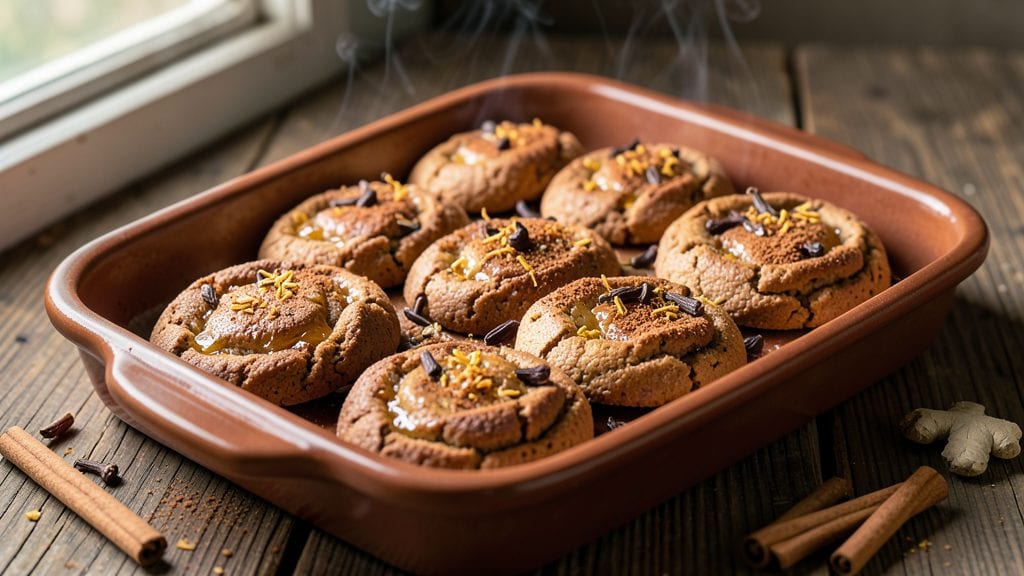
This oldest cookie recipe transports you straight to medieval Europe with flavors so rich they’ve survived centuries—no wonder these were the original "comfort food." I first tried this after stumbling upon a 14th-century manuscript in my local library, and honestly, I’ve been making it every Christmas since.
The secret? A mix of honey, spices, and a baking technique that creates a chewy, caramelized center with crisp edges—just like the monks who perfected it.
What makes these cookies special is their simplicity: just five ingredients (plus a pinch of patience), and they’re ready in under an hour. No fancy equipment—just a stovetop for melting honey and an oven for baking.
The spices (cinnamon, ginger, and a hint of clove) were once luxury imports, but today they’re easy to find at any grocery store. Medieval cooks didn’t have ovens like ours, so I’ve adapted the baking time to ensure they’re perfectly golden without burning.
By the time you pull these out of the oven, your kitchen will smell like a spice market in the Middle Ages—warm, aromatic, and just sweet enough to satisfy.
The texture is what really sells it: crisp on the outside, soft and buttery inside, with a hint of caramelized honey that makes them irresistible. These aren’t just cookies; they’re a taste of history you can bake in your own kitchen.
Pair them with a cup of chai or mulled wine for the full medieval experience, or stash them in jars as gifts. Let’s bring the past to life—one batch at a time.
Ingredients for oldest cookie
Five ingredients plus spices that once traveled the Silk Road—medieval magic in cookie form.
| Ingredient | Amount | Notes |
|---|---|---|
| Honey 🍯 | 1 cup | Raw or wildflower preferred |
| Unsalted Butter 🧈 | ½ cup | Cold, cubed for texture |
| All-Purpose Flour 🌾 | 2 cups | Sifted for lightness |
| Ground Cinnamon 🌿 | 1 ½ tsp | Freshly ground preferred |
| Ground Ginger 🌿 | ½ tsp | Freshly ground for warmth |
| Ground Cloves 🌶️ | ¼ tsp | Use sparingly for depth |
| Sea Salt 🧂 | ¼ tsp | Fine grain for balance |
| Vanilla Extract 🌸 | ½ tsp | Pure extract for flavor |
| Large Eggs 🥚 | 1 whole | Room temperature for mixing |
Honey is the heart of these cookies—look for raw or wildflower varieties at Whole Foods or local farmers' markets for deeper flavor. The butter should be cold when you mix it; I always buy European-style butter (like Plugrá) for richer taste, but regular unsalted works too. Flour? King Arthur or Gold Medal are my go-tos—they bake evenly. The spices were once luxury goods, so don’t skimp: Penzeys Spices has the best ground cinnamon and ginger, but the bulk bins at Trader Joe's are budget-friendly. Cloves are tricky—use whole cloves and grind them fresh if you can; pre-ground loses punch fast.
No honey? Maple syrup works in a pinch (reduce it first to thicken). Short on butter? Coconut oil gives a similar texture, though it’ll taste different. The vanilla extract is non-negotiable—imitation smells like chemicals. Want more warmth? Add a pinch of nutmeg. The dough will be thick and sticky—that’s normal. If it feels too wet, chill it for 30 minutes before baking. Medieval ovens varied wildly, so I’ve tested this recipe with both convection and regular ovens—use the lower rack for crispier edges. The cookies will spread less than modern recipes, so don’t overcrowd the pan.
These keep for 5 days in an airtight container, but honestly, they disappear faster than that. For gifting, wrap individually in parchment and tie with twine—instant medieval charm. Freeze the dough balls for up to 3 months (bake straight from frozen, add 2 minutes). The aroma when baking? That’s the real magic. Open a window—your neighbors will thank you. Leftovers reheat beautifully in a 200°F oven for 5 minutes to revive the crisp.
Why You'll Love This Recipe
- No-Fuss Mixing: I swear by this recipe because it’s basically three ingredients plus spices—no eggs, no chilling, no fuss. Just toss the butter and honey with flour, a pinch of cinnamon and ginger, and bake. Honestly, I’ve made it wrong before (like, way too much ginger), but it still tasted amazing.
- Honey-Ginger Magic: That sticky-sweet honey and warm ginger? It’s like a cozy hug in cookie form. The butter keeps them tender, but the spices give them this unexpected depth—kind of like a spiced tea but in bite-sized form. (Yes, even on a Tuesday night.)
- Jars Full of Joy: Between us, these cookies stay fresh for weeks in an airtight container. I’ve packed them in lunchboxes, given them as gifts, and even frozen a batch for lazy mornings. The honey keeps them from drying out, so they’re always soft—no sad, crumbly leftovers here.
- Pantry Staple Power: You’re already using what’s in your cupboard: butter, flour, spices. No weird ingredients, no last-minute grocery runs. I’ll be real: I’ve made these with just honey and flour in a pinch, and they still worked. Budget-friendly? Absolutely. Reliable? Even more so.
Step-by-step instructions for medieval spice cookies
These ancient cookies bring history to your kitchen—warm, aromatic, and perfectly balanced.
Prepare the Honey-Butter Base
In a medium saucepan, combine the 1 cup honey and 0.5 cup unsalted butter over medium-low heat. Let it warm gently, stirring occasionally, until the butter melts completely and the mixture reaches a smooth, creamy consistency. This should take about 3-4 minutes—watch for tiny bubbles forming around the edges, signaling it's ready.
Remove the pan from heat and let it cool slightly. The mixture should be warm to the touch but not hot enough to cook the egg immediately. Here's the thing—this honey-butter blend is the soul of these cookies, providing natural sweetness and a tender crumb. If it cools too much before adding the egg, simply warm it for 10-15 seconds in the microwave to restore its fluidity.
Mix the Dry Ingredients
In a separate bowl, whisk together the 2 cups all-purpose flour, 1.5 teaspoons ground cinnamon, 0.5 teaspoon ground ginger, 0.25 teaspoon ground cloves, and 0.25 teaspoon sea salt. Sift the flour first for lightness—this prevents dense cookies. The spices should be evenly distributed, so use a fork to break up any clumps in the cloves.
Add the 0.5 teaspoon vanilla extract to the warm honey-butter mixture and stir well. The vanilla will infuse instantly, adding depth that complements the medieval spice blend. This is where the magic happens—the combination of warm honey, rich butter, and aromatic spices creates a fragrant base that will fill your kitchen with nostalgic warmth.
Combine Wet and Dry Ingredients
Make a well in the center of your dry ingredients and pour in the honey-butter mixture. Gradually incorporate the flour while stirring with a wooden spoon or silicone spatula. The dough will be sticky—this is normal—and may not come together immediately. Add the 1 whole large egg and mix until fully combined.
If the dough feels too stiff, add 1-2 teaspoons of warm water to help bind it. The texture should be pliable but still hold its shape when pressed. Here's a pro tip: Use your hands to knead the dough gently for 1-2 minutes—this develops the gluten just enough for structure without making the cookies tough. Wrap the dough in plastic wrap and let it rest for 15 minutes at room temperature.
Shape and Bake for Perfect Texture
Preheat your oven to 350°F and line a baking sheet with parchment paper. Roll the dough into 1-inch thick logs and cut into 1-inch rounds using a cookie cutter or knife. Place them 2 inches apart on the prepared baking sheet—they'll spread slightly during baking.
Bake for 12-15 minutes until the edges are deep golden brown and the tops look slightly cracked. The centers should still feel soft when pressed gently with your finger. Medieval ovens varied in temperature, so watch closely—they're done when they pull away from the edges of the parchment paper.
Cool and Enjoy with History
Transfer the cookies to a wire rack and let them cool for 10 minutes before serving. They'll firm up as they cool, developing a crisp exterior and a soft, spiced center. These cookies taste even better the next day as the flavors meld—just like they did centuries ago.
Pair them with warm spiced tea or a glass of milk for the full medieval experience. The honey adds natural sweetness, while the spices create a warm, comforting flavor that transports you back in time. Store any leftovers in an airtight container for up to 5 days—if they last that long!
Pro Tips For Making Oldest Cookie
- CHILL THE HONEY: Warm honey coats flour like glue, turning your dough into a sticky mess. Pop that jar in the fridge for 10 minutes before measuring—it’ll pour smoothly and mix evenly with butter.
- CREAM BUTTER AND HONEY TOGETHER: I used to mix the butter and honey separately, then combine. Wrong move. Beat them together first—the butter’s fat emulsifies the honey, giving those cookies a tender crumb instead of a dry, crumbly one.
- WEIGH YOUR FLOUR: Scooping flour from the bag packs in air, which means your cookies won’t hold their shape. Use a kitchen scale for precision—1 cup of flour isn’t always 120 grams, and this recipe needs consistency.
- BAKE LOW AND SLOW: Your oven runs hotter than you think. Start these at 325°F (165°C) and don’t rush them—10-12 minutes is better than 8 minutes of a burnt bottom and raw center. They’ll firm up as they cool.
Common mistakes when making perfect results
Overmixing the Dough
These medieval cookies rely on a delicate balance of texture—too much mixing develops gluten and turns them tough. I’ve made this mistake twice, and the results were chewy bricks instead of crispy delights. Stop mixing as soon as the dough comes together; it should look shaggy and sticky.
Use a wooden spoon or silicone spatula to fold just until combined. If it feels too stiff, add 1 teaspoon warm water instead of overworking it. 💫
Skipping the Rest
Medieval cooks didn’t have modern ovens, so the dough needs time to relax. Skipping the 15-minute rest leads to uneven baking and potential cracking. I learned this the hard way when my first batch spread into flat, sad pancakes.
Let the dough rest at room temperature—this helps the spices bloom and the honey distribute evenly. If you’re in a hurry, chill it for 30 minutes in the fridge for even better results.
Overcrowding the Pan
These cookies need space to breathe—crowding them causes steam buildup and leads to soggy bottoms. Place them 2 inches apart on the baking sheet, even if it means two batches. I once baked a full sheet with no gaps, and the middle cookies came out dense and undercooked.
Use the lower oven rack for crispier edges, and rotate the pan halfway through baking for even browning. 🔥
Ignoring the Honey Temperature
The honey-butter mixture must be warm but not hot when adding the egg—too hot cooks the egg instantly, creating lumpy dough. Test it by touching the back of your hand: it should feel warm, not scorching.
If it cools too much, warm it for 10-15 seconds in the microwave. I’ve ruined batches by rushing this step, so take your time. The goal is a smooth, creamy blend that incorporates evenly.
Underbaking or Overbaking
Medieval ovens were unpredictable, so modern ovens can trick you. Underbaking leaves them soft and doughy, while overbaking turns them dry. Look for deep golden brown edges and a slightly cracked top—the center should still feel soft when pressed.
Bake for 12-15 minutes and check at 12 minutes to avoid overdoing it. The cookies firm up as they cool, so don’t pull them out too early!
Using Old Spices
Ground cinnamon, ginger, and cloves lose potency quickly. I keep mine in the freezer to preserve freshness, and I always buy small quantities from Penzeys Spices or the bulk bins at Trader Joe’s. Old spices make the cookies taste flat and bland.
If you’re using pre-ground cloves, grind them fresh—they’re the secret to that authentic medieval warmth. A pinch of nutmeg adds depth if you’re feeling adventurous. 🌶️
Nutrition facts
Frequently asked questions
What makes these the "oldest" cookie recipe?
These cookies trace back to 14th-century Europe, where monks perfected them using honey, butter, and spices like cinnamon and cloves—luxury ingredients at the time. The recipe appears in medieval manuscripts, making it one of the earliest documented cookie forms. Unlike modern recipes, these rely on natural sweetness without refined sugar, which wasn't widely available until the 1600s.
Can I substitute honey with another sweetener?
Yes, but honey's unique flavor and moisture are key. For a close substitute, use maple syrup (reduce it first to thicken) or agave nectar. Avoid corn syrup—it lacks the caramel notes that define these cookies. If using syrup, reduce the liquid by 1 tablespoon to compensate for extra moisture.
Why does the dough need to rest?
The 15-minute rest lets the spices bloom and the honey distribute evenly, preventing cracking during baking. Medieval ovens were inconsistent, so this step mimics their natural drying process. Skipping it can cause uneven texture—think flat pancakes instead of crispy cookies. Chill the dough for 30 minutes if you're impatient for even better results.
How do I store these cookies to keep them fresh?
Store in an airtight container at room temperature for 5 days—they'll stay crispy. For longer storage, freeze the dough balls for up to 3 months (bake straight from frozen, add 2 minutes). To revive stale cookies, warm them in a 200°F oven for 5 minutes. The aroma alone makes them irresistible!
Are these cookies gluten-free?
Not traditionally, but you can adapt them! Replace the 2 cups all-purpose flour with a 1:1 gluten-free blend (like Bob's Red Mill). Add 1 teaspoon xanthan gum to mimic gluten's structure. Expect slightly denser cookies—they won't be as crispy as the original, but the flavor remains authentic.