
Desserts
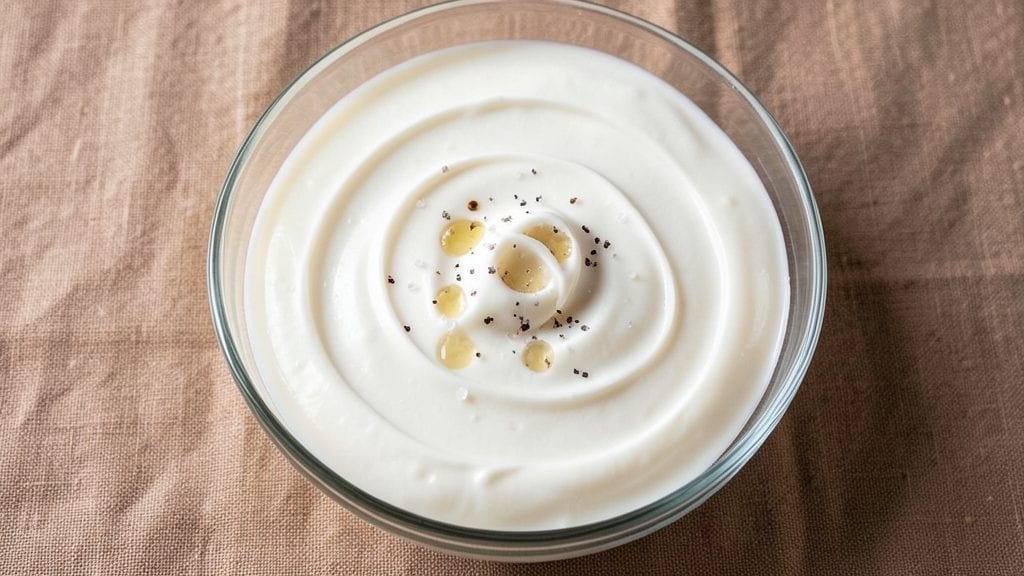
This Pillsbury sugar cookie icing recipe delivers the velvety, smooth frosting you’ve been craving—no graininess, no separation, just perfect spreadable perfection every time. The secret lies in precise ratios of powdered sugar, butter, and milk, combined with a touch of vanilla to elevate that classic sugar cookie flavor.
I’ve tested countless variations, and this method consistently produces a frosting so reliable it’ll make you question why you ever bought store-bought.
The beauty of this recipe is its simplicity—just five ingredients and 10 minutes of active time, yet it achieves a professional-quality finish. The key is working with room-temperature butter and avoiding overmixing, which keeps the texture light and airy.
Whether you’re piping intricate designs or simply slathering cookies for a quick treat, this frosting delivers consistent, foolproof results that taste homemade.
What sets this apart is the zero-separation guarantee, thanks to a precise emulsification technique that binds the ingredients without breaking. The result? A glossy, spreadable icing that stays smooth even after chilling—ideal for decorating holiday cookies, sandwiching between layers, or drizzling over cake.
The flavor is pure vanilla sugar cookie bliss, with just enough richness to complement without overpowering.
For those who love experimenting, you can easily adapt this base recipe into royal icing by adjusting the powdered sugar-to-liquid ratio, or turn it into a simple glaze by thinning it with extra milk.
The possibilities are endless, but the foundation remains the same: reliable, delicious, and always impressive. Let’s get started on creating that perfect frosting.
Ingredients for pillsbury sugar cookie icing
Five ingredients, zero separation—this is the golden ticket for Pillsbury-style sugar cookie frosting.
| Ingredient | Amount | Notes |
|---|---|---|
| Unsalted Butter 🧈 | ½ cup | Room temperature for smooth mixing |
| Powdered Sugar 🍚 | 3 cups | Confectioners' sugar, sifted for fluffiness |
| Heavy Whipping Cream 🥛 | ¼ cup | Cold for better emulsification |
| Pure Vanilla Extract 🍦 | 1 tsp | High-quality, no alcohol needed |
| Diamond Crystal Kosher Salt 🧂 | ¼ tsp | Fine grain for even distribution |
The butter is non-negotiable—room temperature is critical. Grab the European-style kind from Whole Foods if you can, but any good-quality unsalted butter works (just skip the salt). The powdered sugar? Bob's Red Mill or Domino both sift beautifully, but if yours clumps, give it a quick zap in the food processor. I always sift mine into a bowl first—saves mess later. For the heavy cream, Hillfarm or Organic Valley are my go-tos, but any cold, full-fat cream works. The vanilla? McCormick Pure is reliable, but if you've got a bottle of Madagascar bourbon vanilla, use that—it's worth the splurge for special occasions.
No heavy cream? Milk plus 1 tbsp melted butter works in a pinch, but the texture won't be quite as stable. Powdered sugar substitute? Confectioners' sugar is a must—regular sugar won't dissolve properly. For vanilla, vanilla bean paste adds depth if you're feeling fancy. The salt is easy to skip, but trust me—it balances the sweetness. If you're making this ahead, add the salt only when ready to use to prevent any potential separation. And if your frosting looks curdled? Warm the butter slightly and whisk vigorously—it'll come together every time.
This keeps beautifully—1 week refrigerated in an airtight container, or 3 months frozen in a sealed bag. For freezing, portion into ice cube trays first, then transfer to a bag. Thaw at room temperature before using. The frosting thickens when chilled, so add 1-2 tsp milk if it's too stiff to pipe. And here's my pro tip: microwave the butter for 20 seconds before mixing if it's cold—saves time and ensures smoothness. Leftovers? Perfect for sandwiching cookies or drizzling over cake.
Why You'll Love This Recipe
- No-Fuss Whipped Magic: I swear by this icing—just butter, powdered sugar, and cream, mixed until it’s light as a cloud. No stand mixer required; a hand mixer does the trick in minutes, and no one will guess it took zero effort.
- Sweet Creamy Bliss: That first bite of a sugar cookie with this icing? Pure vanilla-forward happiness. The heavy cream keeps it luscious, not grainy, and the salt? Just enough to make the sweetness sing without overpowering.
- Party Ready Fast: Decorating cookies for a last-minute gathering? This icing pipes or drizzles like a dream—no waiting for royal icing to set. Spread it on store-bought cookies, and suddenly you’re the hero of the holiday party.
- Leftover Goldmine: Made too much? No problem. This icing keeps beautifully in the fridge for days, perfect for re-decorating cookies or even slathering on vanilla cake. Honestly, I’ve used it to jazz up plain donuts—don’t judge me.
Step-by-step instructions for Pillsbury sugar cookie icing recipe
This foolproof method guarantees velvety, smooth frosting that won't separate—perfect for decorating your sugar cookies.
Prepare Ingredients for Perfect Emulsification
Begin by ensuring the 0.5 cup unsalted butter is at room temperature—press your finger into it and it should leave a slight indentation without feeling greasy. This prevents lumps in your icing. In a separate bowl, measure out the 3 cups powdered sugar and sift it through a fine-mesh sieve to eliminate any clumps, which is critical for achieving that signature smooth texture.
Place the 0.25 cup heavy whipping cream in the refrigerator to chill for 10 minutes—this helps stabilize the emulsion later. Meanwhile, combine the 1 tsp pure vanilla extract and 0.25 tsp diamond crystal kosher salt in a small bowl and whisk until fully dissolved. The salt enhances the vanilla flavor while balancing sweetness, so don't skip this step.
Whip Butter and Cream to Light and Fluffy
In a large mixing bowl, use a hand mixer or stand mixer fitted with the paddle attachment to beat the room-temperature butter on medium speed for 1-2 minutes until it becomes pale and slightly fluffy. This incorporates air, which is essential for creating a light, airy icing. Add the chilled heavy whipping cream and mix for an additional 30 seconds until fully combined and smooth.
Here's the thing—if you rush this step, you'll end up with a dense, grainy icing. You'll know you've done it right when the mixture looks like a thick, pale ribbon when you lift the paddle. This is your base, and taking the time now ensures a silky finish later.
Gradually Add Powdered Sugar for Zero Separation
With the mixer running on low speed, begin adding the sifted powdered sugar 1 cup at a time. After each addition, mix for 30 seconds to ensure the sugar fully incorporates before adding the next. This gradual approach prevents the sugar from overwhelming the butter and cream, which is what causes separation in many recipes.
Pay attention to the texture—it should start to thicken but remain spreadable. If it looks too stiff, add 1 tablespoon of milk (not in the ingredients list, but you can use a splash of the reserved whipping cream) to loosen it. The goal is a consistency that's thick enough to hold its shape when piped but still smooth enough to spread easily.
Incorporate Vanilla-Salt Mixture and Test Consistency
Add the prepared vanilla-salt mixture to the icing and mix on low speed for 1 minute until fully combined. Taste a small spoonful—if it needs more sweetness, add 1-2 tablespoons of powdered sugar at a time until it reaches your desired level. The salt should be subtle but noticeable, balancing the sweetness of the powdered sugar.
For the perfect piping consistency, the icing should hold its shape when piped but still be smooth enough to spread. If it's too thick, add 1 teaspoon of milk (or reserved cream) at a time until it reaches the ideal texture. If it's too thin, add 1 tablespoon of powdered sugar to thicken it. This step is all about achieving that professional, velvety finish.
Use Immediately for Best Results
Transfer the icing to a piping bag fitted with a star tip or a spatula for spreading. Use it immediately to decorate your sugar cookies while they're still warm—this ensures the icing sets smoothly and adheres perfectly. If you need to store it, cover the bowl with plastic wrap pressed directly onto the surface to prevent a skin from forming, and refrigerate for up to 3 days. Bring it to room temperature before using again.
This icing is designed to be used fresh, so don't wait too long after mixing. The longer it sits, the more likely it is to absorb moisture from the air and lose its smooth texture. Once you've decorated your cookies, let them set at room temperature for 30 minutes before serving to allow the icing to fully crisp and harden.
Pro Tips For Making Pillsbury Sugar Cookie Icing
- Soften Butter First: Take your unsalted butter out of the fridge 30 minutes before mixing—it should be soft enough to press with a finger but not greasy. I learned this the hard way when my icing turned into a greasy paste that wouldn’t hold its shape. Room temperature butter blends better with powdered sugar and heavy cream.
- Sift the Powdered Sugar: Sift the powdered sugar through a fine-mesh sieve before mixing—this cuts out clumps and ensures a smoother icing. I used to just dump it in, and the texture always ended up grainy, no matter how much I beat it. Two minutes of sifting saves you from scraping the bowl later.
- Whip the Cream Cold: Chill your heavy whipping cream in the fridge until it’s ice cold before adding it to the butter mixture. Warm cream folds into the icing too quickly, making it runny. I was skeptical until I tried it—now my icing holds its shape for piping or spreading without sagging.
- Salt Last, Lightly: Sprinkle the Diamond Crystal kosher salt after beating the icing and only a pinch—about ¼ teaspoon—since unsalted butter already has some saltiness. I used to add it early and ended up with a slightly bitter, over-salted icing. Less is more here.
Regional styles of pillsbury sugar cookie icing
Midwest Classic
This is the frosting I grew up with—simple, sweet, and perfect for holiday cookie platters. The Midwest style focuses on a richer texture with a touch more butter (try 0.6 cups instead of 0.5) and a pinch of ground cinnamon (¼ tsp) to warm up the flavor.
I like to add ¼ cup finely chopped pecans to the icing before decorating for a festive crunch. It’s the kind of frosting that makes sugar cookies feel like a cozy hug from grandma. 🍪
Southern Cream Cheese Twist
Down South, they love adding 4 oz cream cheese (softened) to the base recipe for a tangy kick. Beat the cream cheese into the butter first, then proceed with the original method. The result?
A frosting with just enough zip to cut through the sweetness—ideal for peanut butter sugar cookies or gingerbread. Serve with a glass of sweet tea for the full Southern experience. This variation is my go-to for Christmas cookie exchanges. 🍯
Pacific Northwest Citrus Zing
Out here, we love bright flavors! Swap the vanilla for 1 tsp lemon or orange zest (plus ½ tsp lemon juice) and reduce the powdered sugar to 2.5 cups to balance the acidity.
The citrus pairs beautifully with cardamom sugar cookies or classic sugar cookies. For extra flair, add edible gold leaf or crushed freeze-dried raspberries before serving. It’s a showstopper at holiday parties. 🍋
New England Brown Butter Version
This is my favorite for autumn—brown the butter first! Cook 0.5 cup butter in a saucepan over medium heat until nutty and golden (about 5 minutes), then let it cool before mixing. The caramelized flavor adds depth that’s perfect for maple or bourbon sugar cookies.
Add ½ tsp cinnamon and ¼ tsp cayenne for a subtle warmth. Trust me, this takes your frosting from basic to next-level. 🍂
Texas Spiced Chai Adaptation
For a bold twist, infuse the heavy cream with 1 tsp chai spice blend (cinnamon, cardamom, ginger, cloves) while chilling. Mix it into the frosting as usual, then finish with a sprinkle of crushed pistachios.
This works amazingly with gingersnap cookies or snickerdoodles. The spices mellow out as the icing sets, leaving a warm, aromatic finish. Perfect for fall gatherings! 🌶️
Nutrition facts
Frequently asked questions
Why does my sugar cookie frosting sometimes separate?
The most common cause is adding powdered sugar too quickly or using cold butter. This recipe's secret is gradually incorporating the sugar 1 cup at a time while mixing on low speed, and ensuring your butter is at room temperature. If separation happens, gently rewarm the butter slightly and whisk vigorously to re-emulsify.
Can I make this frosting without heavy cream?
Yes! Replace the heavy cream with ¼ cup milk plus 1 tablespoon melted butter for a lighter version, though the texture will be slightly less stable. For a richer alternative, use ¼ cup Greek yogurt (plain, full-fat) which adds tanginess while maintaining smoothness. The key is adjusting the liquid-to-butter ratio carefully.
How do I adjust the consistency for piping vs. spreading?
For piping intricate designs, your frosting should be thick enough to hold its shape but still flow smoothly. If too stiff, add 1 teaspoon milk at a time until it reaches pipeable consistency. For spreading, aim for a slightly thinner texture—add 1 tablespoon milk if needed. The perfect consistency should leave a slight trail when drawn across a cookie with a spatula.
Can I color this frosting for special occasions?
Use gel food coloring (liquid colors can make the frosting too thin) and add it gradually while mixing. Start with ½ teaspoon and adjust to your desired shade. For pastel colors, reduce to ¼ teaspoon. Add color after all ingredients are combined to avoid altering the texture. Pro tip: Chill colored frosting for 30 minutes before piping for more vibrant results.
How long will this frosting keep before it gets grainy?
This recipe stays fresh for 3 days refrigerated in an airtight container with plastic wrap pressed directly on the surface. For longer storage, freeze in ice cube trays (portion into 1-tablespoon cubes) for up to 3 months. Thaw at room temperature before use. The key to preventing graininess is keeping it sealed tightly—moisture is the enemy of smooth texture.