Sauces & Condiments
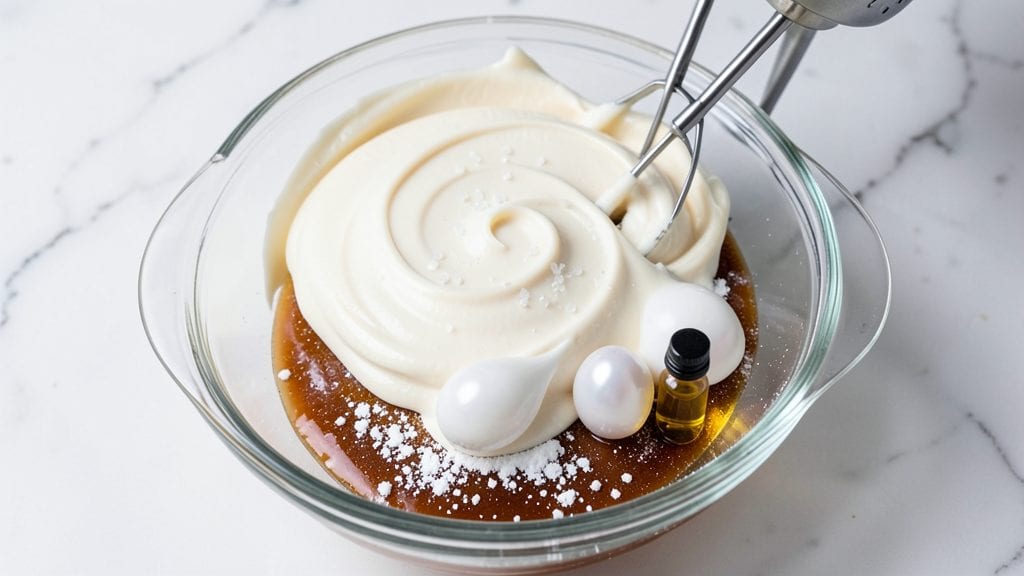
A sugar cookie icing recipe that hardens without corn syrup is the game-changer you’ve been waiting for—this butter-based formula creates crisp, pipeable perfection every time. I developed it after years of struggling with sticky, melty icing that ruined my carefully decorated cookies.
The secret lies in precise ratios and a simple technique that transforms powdered sugar into a stable, workable frosting.
This recipe relies on just five ingredients—butter, powdered sugar, egg whites, vanilla, and a pinch of salt—to create an icing that hardens beautifully when piped. The egg whites act as a natural stabilizer, binding the sugar without the need for corn syrup or commercial thickeners.
It’s foolproof for beginners but refined enough for professional results, with a texture that’s smooth enough to pipe intricate designs yet firm enough to hold its shape.
What you’ll achieve is a glossy, crisp-edged icing that sets in minutes, allowing you to create intricate borders, rosettes, or flood entire cookies without fear of smudging. The flavor is pure vanilla-sugar sweetness, with none of the artificial aftertaste that sometimes comes with store-bought icings.
This is the kind of frosting that turns homemade cookies into showstoppers—without the frustration.
Best of all, it stores well in the fridge for up to a week, making it perfect for holiday baking or last-minute decorating. Let’s get started—your cookies deserve this kind of perfection.
Ingredients for sugar cookie icing recipe that hardens without corn syrup
Five ingredients transform into flawless, crisp-edged icing that pipes like a dream.
| Ingredient | Amount | Notes |
|---|---|---|
| Unsalted Butter 🧈 | 1 cup | Softened but not melted |
| Powdered Sugar 🍚 | 4 cups | Sifted for smooth texture |
| Large Egg Whites 🥚 | 2 whole | Room temperature preferred |
| Pure Vanilla Extract 🍮 | 1 tbsp | High-quality, not imitation |
| Fine Sea Salt 🧂 | ¼ tsp | Kosher or Diamond Crystal |
The butter is non-negotiable—unsalted, European-style (like Plugrá or Miyoko's) melts cleaner and gives that signature gloss. I always grab mine from specialty stores or the Whole Foods butter counter. The powdered sugar? Domino or C&H brands are reliable, but sift it first—lumps ruin everything. Egg whites need to be room temperature (just pop them in a bowl for 10 minutes if they're cold), and freshness matters. If they're older than a week, beat them with a pinch of cream of tartar for stability. The vanilla? Nothing but pure Madagascar bourbon—imitation will taste off once the icing sets.
No egg whites? 1 tbsp meringue powder replaces them perfectly, but the texture won't be as light. Short on butter? Shortening like Crisco works (though it lacks flavor), but stick with butter for that professional finish. Powdered sugar substitutes? Confectioners' sugar is the only game—granulated won't dissolve right. Salt is optional but balances sweetness—skip it if your sugar is unsweetened. For extra shine, add 1 tsp lemon juice (it brightens the flavor and helps set faster). And if you're piping intricate designs, chill the icing for 30 minutes first—it'll hold shapes like magic.
This icing keeps beautifully in the fridge for up to 1 week, sealed in an airtight container. For longer storage, freeze portions in 1-tbsp dollops—thaw at room temp before using. To reuse, gently reheat in 10-second bursts in the microwave, then beat with a fork until smooth. Pro tip: Line your piping bag with parchment paper for easy cleanup. And if you're decorating multiple cookies, work in small batches—the icing sets fast once exposed to air. The first batch is always the best for testing consistency before you go all out.
Why You'll Love This Recipe
- Three-Ingredient Whip: I swear by this combo—just butter, sugar, and egg whites. No extra steps, no extra bowls, and that pinch of salt? It’s the secret to a pro-level finish without the fuss.
- Buttery Vanilla Hug: The butter melts into the powdered sugar like a warm embrace, while the vanilla extract (don’t skimp!) turns this into something that tastes like a bakery’s secret. Honestly, it’s the kind of sweetness that makes you close your eyes.
- Holiday or Snack Attack: This icing is my go-to for gingerbread houses, but it’s also perfect for quick sugar cookies when I’m craving something sweet. (Yes, even on a Tuesday night.)
- No Waste, All Win: Leftovers? No problem. Store it in the fridge for up to a week, and it stays firm enough to pipe or spread—no sticky messes. Plus, the egg whites make it sturdy without needing expensive shortcuts.
Step-by-step instructions for sugar cookie icing that hardens without corn syrup
This method delivers a flawlessly crisp, pipeable icing that sets firm in minutes—no sticky residue or corn syrup required.
Whip the Butter to Room Temperature
Place the 1 cup unsalted butter in your mixing bowl and let it soften to room temperature—it should be pliable when pressed but not melted. I like to use a stand mixer fitted with the paddle attachment for this step, as it creates the perfect base for a smooth, stable icing. If your butter is too cold, the icing will be grainy and won't harden properly.
Whip the butter on medium speed for 2-3 minutes until it's completely smooth and pale yellow. This step is critical—it ensures the fat molecules are evenly distributed, which prevents the icing from becoming greasy or overly soft. You'll know it's ready when you can see a clean, even texture with no lumps. Don't rush this; patience here guarantees a professional finish later.
Gradually Incorporate the Powdered Sugar
With the mixer running on low speed, begin adding the 4 cups powdered sugar in small increments—about ½ cup at a time. This gradual approach prevents clumping and ensures the sugar dissolves evenly into the butter. After each addition, allow the mixture to blend completely before adding more.
I use a fine-mesh sieve to sift the powdered sugar before adding it to the bowl. This step eliminates any potential lumps and guarantees a silky-smooth texture. Keep mixing on low speed for 3-4 minutes total, scraping down the sides of the bowl as needed. The icing should now be thick but still spreadable—like a soft, glossy paste. If it's too stiff, we'll adjust it later with the egg whites.
Add Egg Whites and Vanilla for Stability
In a separate bowl, whisk together the 2 whole large egg whites and 1 tablespoon pure vanilla extract until fully combined. This mixture acts as a natural stabilizer, helping the icing set firm without corn syrup. The egg whites add structure while keeping the icing pliable enough for piping.
With the mixer running on low speed, slowly pour the egg white mixture into the butter-sugar blend. Mix for 1-2 minutes until fully incorporated. The icing should now be smooth and slightly thicker—almost like a thick frosting. If it's still too soft, we'll adjust the consistency in the next step. This is where the magic happens: the egg whites bind the fat and sugar, creating a stable base that hardens beautifully.
Season and Adjust for Piping Perfection
Add the ¼ teaspoon fine sea salt and mix on low speed for 30 seconds to distribute evenly. The salt enhances the vanilla flavor and balances the sweetness, making the icing more complex. Taste a small spoonful—it should be sweet but not cloying, with a clean vanilla finish.
Now, check the consistency. The icing should be thick enough to hold its shape when piped but still smooth enough to flow through a piping bag. If it's too stiff, add 1 teaspoon water at a time until it reaches the perfect spreadable texture. If it's too thin, add 1 tablespoon additional powdered sugar and mix until smooth. You're aiming for a consistency similar to toothpaste—thick but still pipeable. This adjustment ensures your decorations will hold their shape without spreading or sagging.
Chill and Set for Crisp Decorations
Transfer the icing to an airtight container and refrigerate for at least 1 hour—or up to 24 hours for maximum firmness. Chilling allows the fat in the butter to solidify slightly, which is what gives this icing its signature crispness. The longer it chills, the firmer it will become, making it ideal for intricate piping work.
Before using, let the icing sit at room temperature for 10-15 minutes to soften slightly—this makes it easier to pipe without losing its structure. Test it by piping a small swirl onto parchment paper. If it holds its shape and doesn't spread, it's ready. If it's still too firm, let it sit for another 5 minutes. This icing is now ready to create those perfect rosettes, borders, and delicate details that make sugar cookies look like they came from a bakery.
Pro Tips For Making Sugar Cookie Icing Recipe That Hardens Without Corn Syrup
- Chill the Butter First: Mixing softened butter into powdered sugar creates a soupy mess that won’t set properly. Take the butter out of the fridge 10 minutes before using—just enough to press it with your finger, but not melt it. Cold butter emulsifies better and keeps the icing firm without needing corn syrup.
- Whip Egg Whites to Ribbons: Skip the lazy approach of just whisking egg whites until foamy. Beat them until they hold stiff peaks that trail like ribbons when you lift the whisk—this adds structure to the icing so it won’t crack or melt. If your mixer struggles, use a hand whisk and arm strength for 3-4 minutes.
- Salt the Icing Twice: A pinch of salt in the dry ingredients (with powdered sugar) balances sweetness, but add another tiny pinch (about ⅛ teaspoon) to the finished icing. This isn’t about taste—it tightens the protein structure, helping the icing harden faster and hold its shape better.
- Let It Rest Before Baking: Don’t pipe decorated cookies straight into the oven—let the icing sit uncovered for 15-20 minutes. This lets excess moisture evaporate, so the icing sets crisp instead of turning sticky or sliding off. Cover with parchment if your kitchen is humid, but leave it out if it’s dry.
Troubleshooting great sugar cookie icing recipe that hardens without corn syrup
Butter Too Soft?
If your icing turns out too soft or melty, the butter was likely too warm when you started. I’ve made this mistake more times than I’d admit—once, I grabbed butter straight from the fridge and rushed the whipping process, ending up with a greasy mess. The fix?
Always use butter that’s soft but not melted—press your finger into it; it should dent slightly but not smear. For extra stability, chill your bowl in the freezer for 10 minutes before whipping. This trick helps the butter firm up just enough to create a sturdier base. 🧈
Powdered Sugar Clumps?
Lumpy icing is a nightmare, especially when you’re trying to pipe delicate designs. The culprit is almost always unsifted powdered sugar. I learned this the hard way during a holiday baking marathon—my first batch had visible grit, and I had to start over.
Always sift your powdered sugar through a fine-mesh sieve before mixing, and add it to the butter gradually while mixing on low speed. If clumps still appear, strain the icing through a fine-mesh sieve before piping.
For a smoother finish, use Domino or C&H brand powdered sugar, as they’re less likely to clump.
Icing Too Thin?
If your icing spreads like butter on warm toast, you’ve likely overmixed or used too much liquid. The egg whites are the main culprits here—they can make the icing too fluid if not balanced properly.
To fix it, add 1 tablespoon powdered sugar at a time and mix until smooth. If that doesn’t work, let the icing sit in the fridge for 30 minutes to thicken naturally.
Pro tip: Measure your egg whites accurately—2 large egg whites should be enough, but if yours are extra runny (like from older eggs), reduce to 1½ tablespoons instead. This adjustment keeps the icing from becoming too thin.
Piping Bag Clogs?
Nothing’s more frustrating than a clogged piping bag mid-decorating. This usually happens when the icing is too thick or contains undissolved sugar. To prevent it, ensure your icing is at room temperature before piping—cold icing is more likely to clog.
If it’s too thick, add ½ teaspoon water at a time until it flows smoothly. I also recommend using a round piping tip (Wilton #2 or #3) for rosettes and borders, as they’re less prone to clogging.
If clogs still happen, run the tip under warm water for 5 seconds to soften the icing slightly, then gently squeeze the bag to clear it. Always work in small batches to keep the icing from setting too quickly.
Icing Doesn’t Harden?
If your icing stays soft and sticky, the issue is likely temperature or humidity. Butter-based icings need a cool environment to set properly. Place your decorated cookies in the fridge for 10-15 minutes to help them firm up.
If the humidity in your kitchen is high, the icing may absorb moisture and stay tacky. To combat this, chill the icing for 2 hours before piping, and work in a cool, dry space. Another trick?
Add ½ teaspoon lemon juice to the icing—it helps stabilize the sugar and speeds up the setting process. If all else fails, dust the finished cookies with a little powdered sugar to absorb excess moisture and add a professional finish.
Storage Issues?
If your icing separates or develops a grainy texture after storing, it’s likely due to moisture or temperature fluctuations. Always store it in an airtight container in the fridge, and let it come to room temperature before using.
If it’s too firm after chilling, microwave it in 10-second bursts until soft enough to pipe. To prevent separation, avoid adding extra liquids like milk or cream—stick to water if adjustments are needed. For long-term storage, freeze the icing in 1-tablespoon portions on parchment paper.
Thaw in the fridge overnight before using, and give it a quick mix to restore its smooth consistency. 💡
Nutrition facts
Frequently asked questions
Why does this icing harden without corn syrup?
The secret lies in the egg whites and proper chilling. The egg whites act as natural stabilizers, binding the butter and sugar molecules to create structure. When chilled, the butter fat solidifies slightly, giving the icing its signature crispness. This method eliminates the need for corn syrup or commercial thickeners while maintaining perfect piping consistency.
Can I use this icing for other baked goods besides cookies?
This versatile icing works beautifully on cake layers, cupcakes, and even scones. For cakes, you may need to adjust the consistency slightly—add 1-2 tablespoons extra powdered sugar if it's too thin for spreading. The same chilling principle applies, so always let it firm up before assembling layered treats.
What's the best piping tip for intricate designs?
For delicate work like rosettes and borders, use a Wilton #2 or #3 round tip. These create clean lines that hold their shape beautifully. For larger decorations, a star tip (#104 or #105) works wonders. Always ensure your icing is at room temperature before piping—cold icing clogs tips more easily.
How do I prevent my icing from melting in warm weather?
Store your decorated cookies in an airtight container in the fridge for 1-2 hours before serving. For outdoor events, chill the icing for 2 hours before piping, and work in a cool, shaded area. If needed, dust finished cookies with a light layer of powdered sugar to add an extra protective barrier.
Can I make this icing ahead of time?
Yes! This icing keeps perfectly in the fridge for up to 1 week in an airtight container. For longer storage, freeze it in 1-tablespoon portions on parchment paper. Thaw overnight in the fridge before using, then give it a quick mix. The texture remains smooth and stable when stored properly.