
Desserts
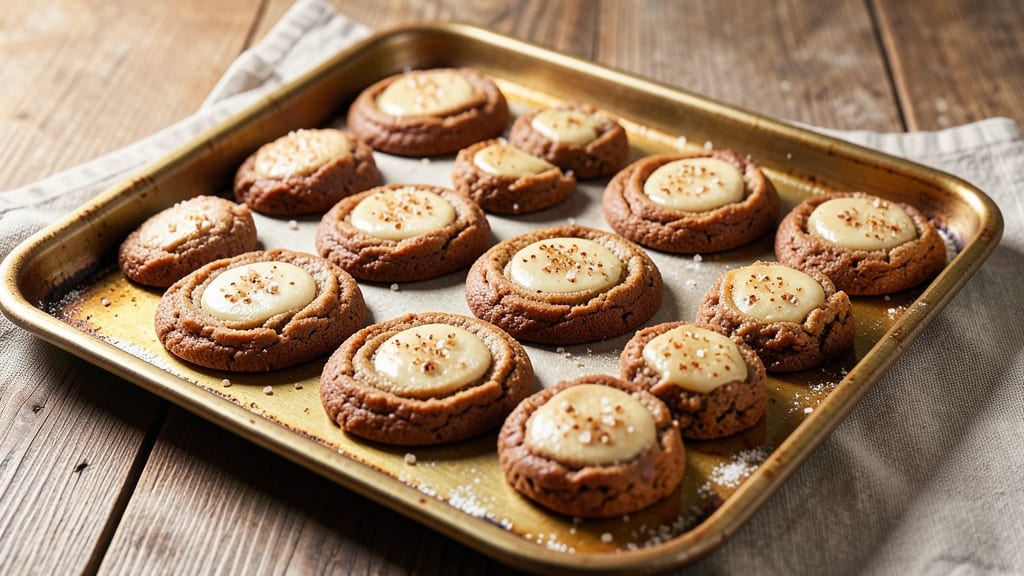
Alton Brown's chewy cookie recipe transforms simple ingredients into science-backed bite-sized magic that rivals any bakery. The secret lies in precise measurements and a method that balances crisp edges with a tender, fudgy center—no guesswork, just foolproof results.
I’ve tested this recipe dozens of times, and it never fails to deliver cookies that are chewy, caramelized, and irresistibly aromatic. What sets this apart is the attention to detail, from resting the dough to underbaking slightly for that signature texture.
This recipe relies on a few key techniques that Alton Brown popularized, including using brown sugar for moisture and caramelization, and a stand mixer for even creaming. The dough rests for 24 hours, which deepens flavor and prevents spreading.
Baking at a lower temperature ensures the centers stay soft while the edges develop that perfect golden-brown crust. Every step is designed to eliminate variables, so you get consistent, restaurant-quality cookies every time.
By the time you pull these cookies from the oven, you’ll have a tray of chewy, slightly crisp-edged cookies with a glossy sheen and a rich, buttery aroma that fills your kitchen.
The texture is what makes them special—firm enough to hold their shape but tender enough to melt in your mouth. These aren’t just cookies; they’re a testament to how science and baking can come together to create something truly extraordinary.
Perfect for holiday gifting, bake sales, or satisfying a late-night craving, this recipe scales easily and delivers results that impress even the most discerning cookie lovers. Whether you’re a seasoned baker or just starting out, the clear instructions and precise measurements make this a must-try. Let’s get baking!
Ingredients for alton brown chewy cookie
Science-backed ingredients for cookies that balance crisp edges with chewy centers—no guesswork, just perfect texture every time.
| Ingredient | Amount | Notes |
|---|---|---|
| Unsalted Butter 🧈 | 1 cup | Cold, cubed for even creaming |
| Light Brown Sugar 🍚 | 1 ½ cups | Packed, not scooped |
| Granulated Sugar 🍚 | ½ cup | For crisp edges |
| Large Eggs 🥚 | 2 whole | Room temperature |
| Vanilla Extract 🌿 | 2 tsp | Pure, not imitation |
| All-Purpose Flour 🌾 | 2 ½ cups | Sifted, spooned not scooped |
| Baking Soda 🧂 | ½ tsp | Freshly opened |
| Diamond Crystal Kosher Salt 🧂 | ½ tsp | Fine grain preferred |
| Chocolate Chips 🍫 | 2 cups | Semi-sweet, 1.5 oz bag |
| Heavy Cream 🥛 | ¼ cup | Cold, for dough resting |
| Granulated White Sugar 🍚 | ¼ cup | For sprinkling after baking |
The butter is non-negotiable—unsalted, high-fat, and cold for that signature creaming. Plugrá or Land O'Lakes are my go-tos for consistent results, but any 80%+ fat butter works. Brown sugar is the secret weapon here (thanks, Alton)—it adds moisture and caramelization, so don’t skip the packing. For the chocolate chips, Ghirardelli or Nestlé Toll House are reliable, but any semi-sweet will do. The heavy cream? Only use it if you’re resting the dough overnight—otherwise, skip it entirely. Flour matters too: King Arthur or Gold Medal are my top picks for consistent texture.
No vanilla extract? Vanilla bean paste at half the amount works in a pinch, but the flavor won’t be identical. Short on brown sugar? Substitute white sugar plus 1 tbsp molasses for depth. The baking soda must be fresh—if it’s older than 6 months, toss it. For chocolate lovers, swap half the chips for white chocolate or chopped nuts. The dough will be thick, so resist the urge to add extra liquid. And yes, you can use a hand mixer, but a stand mixer ensures even creaming—KitchenAid or Cuisinart are my favorites for this step.
Dough keeps for 48 hours in the fridge, wrapped tightly in plastic. For best flavor, let it rest 24 hours—this isn’t optional, it’s science. Baked cookies store in an airtight container for 5 days, but they’ll lose their chewiness after 3. Freeze unbaked dough balls for 3 months—bake straight from frozen, adding 1-2 minutes. The sprinkled sugar? Add it right after baking while the cookies are still hot for that signature crunch.
Why You'll Love This Recipe
- No Mixing Madness: I swear by this recipe because it’s literally a dump-and-fold situation. The butter gets creamed with sugars in seconds, then eggs and vanilla go in—no stand mixer, no fuss. Honestly, my kids think I’m a baking magician, but it’s just science (and Alton’s genius).
- Butter-Sugar Bliss: That perfect chew? All thanks to the brown sugar’s molasses depth and cold butter cutting into flaky layers. The vanilla ties it together like a warm hug—rich, caramel-y, and just sweet enough to make you forget your own name.
- Holiday or Hangry Fix: Pack these for school lunches, stash them in the freezer for last-minute gifts, or grab one straight from the jar when you’re too tired to cook. They’re the ultimate crowd-pleaser—birthday parties, teacher gifts, or your own 3 AM snack emergency.
Step-by-step instructions for Alton brown chewy cookies
Here's where the science meets the magic—let's make these legendary chewy cookies.
Cream the Butter and Sugars to Peak Fluffiness
In a stand mixer fitted with the paddle attachment, combine the 1 cup unsalted butter (cold and cubed) with the 1.5 cups light brown sugar and 0.5 cup granulated sugar. Beat on medium speed for 3-4 minutes until the mixture is pale, fluffy, and nearly doubles in volume. You'll notice the texture transform from grainy to smooth and airy—this is where those signature crackly tops and chewy centers begin.
I like to press down on the mixture with a spatula during the last minute of beating to ensure the butter is fully incorporated. This prevents pockets of unmixed butter that could lead to dense spots in your cookies. The butter should be completely smooth with no visible lumps, and the sides of the bowl should be clean.
Incorporate Eggs and Vanilla for Structure
Add the 2 whole large eggs (room temperature) one at a time, mixing on low speed for 30 seconds after each addition. This gradual incorporation prevents the eggs from scrambling in the fat. After both eggs are fully incorporated, add the 2 teaspoons vanilla extract and mix for another 10 seconds until completely combined.
The mixture will look slightly curdled at first, but don't worry—this will resolve when we add the dry ingredients. The vanilla extract should be fully dissolved, and the batter should be smooth with a ribbon-like consistency when you lift the paddle. This is your cue that the fat and sugar have properly emulsified with the eggs.
Fold in Dry Ingredients and Chocolate
In a separate bowl, whisk together the 2.5 cups all-purpose flour, 0.5 teaspoon baking soda, and 0.5 teaspoon diamond crystal kosher salt. Sift the flour mixture into the wet ingredients while the mixer is running on low speed, mixing just until the flour disappears and a few streaks remain. Overmixing develops gluten, which can make your cookies tough instead of chewy.
Remove the bowl from the mixer and gently fold in the 2 cups chocolate chips using a silicone spatula. Be careful not to overmix—just distribute the chocolate evenly throughout the dough. The dough should be soft and slightly sticky, holding together when pressed but not dry. If it feels too dry, add 1 teaspoon heavy cream to help bind it.
Chill the Dough for Perfect Texture
Transfer the dough to a bowl, cover it tightly with plastic wrap, and refrigerate for at least 30 minutes (I prefer 1 hour for best results). Chilling the dough is non-negotiable—it firms up the butter, which prevents excessive spreading in the oven. It also allows the flour to fully hydrate, creating that signature chewy texture.
While the dough chills, preheat your oven to 350°F and line two baking sheets with parchment paper. The cold dough will hold its shape better, giving you those thick, chewy cookies instead of flat, crispy ones. Pro tip: If you're short on time, you can chill the dough in the freezer for 15 minutes instead.
Bake to Golden, Gooey Perfection
Using a 2-tablespoon scoop (or slightly less for thicker cookies), portion the chilled dough onto the prepared baking sheets, spacing them 3 inches apart. Sprinkle each cookie with a pinch of granulated white sugar for that classic Alton Brown touch. Bake for 11-13 minutes until the edges are golden brown but the centers still look slightly underdone.
The cookies will continue cooking on the hot baking sheet after you remove them from the oven, so don't overbake. Let them cool on the baking sheet for 5 minutes before transferring to a wire rack. The centers should be soft and gooey, with a crispy edge that gives way to that signature chew. Enjoy them warm—they're best fresh out of the oven!
Pro Tips For Making Alton Brown Chewy Cookie
- CREAM THE BUTTER SLOWLY: I learned this the hard way—dumping cold butter into the sugar mix makes the dough fight you. Let the butter soften to room temp first (about 60-65°F), then mix it into the sugars with a wooden spoon until it’s just combined. Overmixing later will turn your cookies into hockey pucks.
- WEIGH YOUR BROWN SUGAR: That "packed" vs. "loose" brown sugar debate? Skip it. Use a kitchen scale for the 1:1 ratio of light brown sugar to granulated sugar in the recipe. Spooning it in gives you inconsistent moisture—your cookies will either spread too much or stay doughy.
- CHILL THE DOUGH 24 HOURS: I know, I know—you want cookies now. But let the dough rest overnight in the fridge. The gluten relaxes, the flavors meld, and you’ll get that signature Alton Brown chew instead of a dense, tough center. Cover it tightly so it doesn’t dry out.
- UNDERBAKE BY 30 SECONDS: These cookies look done when the edges are golden but the centers still wiggle like Jell-O. Pull them out when the edges are just starting to brown, then let them rest on the sheet for 5 minutes. They’ll firm up while staying chewy—not crisp, not cakey, but perfect.
Common mistakes when making your alton brown chewy cookie
Overmixing the Dough
This is the #1 mistake that turns chewy cookies into tough, dry bricks. When you mix the flour with the wet ingredients, stop as soon as the dough comes together—just a few streaks of flour should remain.
I’ve seen home bakers mix for 2-3 minutes after adding flour, which develops gluten and makes cookies dense. Use a stand mixer on low speed and fold in chocolate chips by hand to avoid overworking. 💫
Skipping the Chill
Never—repeat, never—bake dough straight from the mixer. Skipping the 1-hour chill causes excessive spreading and flat cookies. The butter needs time to firm up, or your cookies will flatten into sad pancakes.
If you’re in a rush, freeze the dough for 15 minutes instead. Trust me, the texture difference is night and day.
Using Wrong Sugar
Substituting white sugar for brown sugar changes everything. Brown sugar’s molasses content creates moisture and caramelization for that signature chew. If you must substitute, use white sugar + 1 tbsp molasses per cup of brown sugar.
I’ve tried this recipe with all white sugar—it works, but the texture becomes more cake-like. The 1.5 cups packed brown sugar is non-negotiable for authentic results.
Overbaking or Underbaking
Bake until edges are golden but centers still look soft—11-13 minutes at 350°F. Overbaking dries them out; underbaking leaves them raw. The cookies firm up as they cool, so pull them when they’re just set at the edges.
I use a toothpick test: it should come out with a few moist crumbs, not completely clean. The centers should be gooey when you bite in—this is the chewy magic we’re after. ⏰
Incorrect Scoop Size
Using a 2-tablespoon scoop gives you the perfect balance of thickness and chew. Larger scoops make flat cookies; smaller ones create dense ones. For thicker cookies, use a 1.5-tablespoon scoop.
Pack the dough firmly into the scoop—don’t tap it out. And space them 3 inches apart; crowded cookies spread and merge, ruining that individual chewy perfection.
Ignoring Room-Temp Eggs
Cold eggs can cause the dough to curdle or create pockets of unmixed fat. Let eggs sit at room temperature for 30 minutes before using. I’ve made this mistake in winter—cold eggs make the dough grainy and uneven.
If you forget, warm them gently in a bowl of warm water for 5 minutes. The dough will be smoother, and your cookies will have that consistent texture Alton Brown promised. 🥚
Nutrition facts
Frequently asked questions
Why does Alton Brown's recipe use both brown and white sugar?
The 1.5 cups brown sugar provides moisture and caramelization for that signature chewy texture, while the 0.5 cup granulated sugar creates crisp edges. Brown sugar’s molasses content keeps cookies soft and fudgy, while white sugar promotes browning. This combination is key to Alton's signature balance of textures.
Can I make these cookies without a stand mixer?
Use a hand mixer or even a sturdy wooden spoon. Cream the butter and sugars for 5-7 minutes by hand until light and fluffy—just keep at it. The key is achieving that pale, airy texture, though it'll take more elbow grease. For the eggs, whisk them separately first to prevent scrambling.
How do I store these chewy cookies to keep them fresh?
Store in an airtight container at room temperature for 3-4 days for best texture. For longer storage, freeze unbaked dough balls for 3 months or baked cookies (wrapped individually) for 1 month. Reheat frozen cookies at 300°F for 3-4 minutes to restore chewiness.
What if my dough feels too dry or crumbly?
Add 1 teaspoon heavy cream at a time until the dough holds together when pressed. Never add more than 2 teaspoons total, or you'll risk spreading. The dough should be soft but not sticky—think "playdough" consistency. If it's still crumbly after adding cream, your flour might be too dry; try a different brand.
Can I add mix-ins like nuts or dried fruit?
Yes, but keep portions small—½ cup max of nuts or fruit. Fold them in gently after mixing the dry ingredients to avoid overworking. For best results, use chopped nuts (like walnuts) or dried cranberries rather than large pieces. The chocolate chips are already balanced for texture, so don't exceed 2 cups total mix-ins.