
Desserts
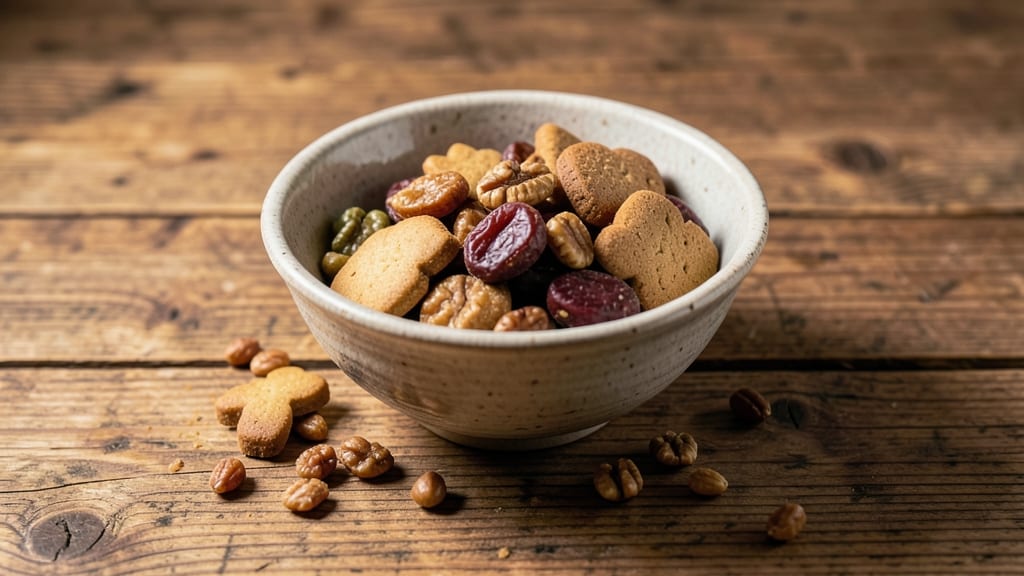
This authentic German gingerbread cookie recipe brings the warm, spiced flavors of Nuremberg tradition to your kitchen with its signature honey-sweetened dough and aromatic blend of cinnamon, nutmeg, and cloves.
The secret lies in the slow-cooked honey syrup that transforms ordinary cookies into melt-in-your-mouth masterpieces with a delicate crunch from rolled oats—just like the ones sold in German Christmas markets.
I’ve perfected this recipe after years of testing, ensuring the spice balance is bold yet refined, with just enough warmth to evoke memories of cozy German bakeries.
The process begins with a rich dough infused with freshly ground spices and honey, which caramelizes beautifully during baking to create that signature deep amber color.
Unlike commercial gingerbread, this version uses no shortcuts—just real ingredients like dark molasses, almond flour for texture, and a touch of orange zest for brightness. The cookies develop their signature crown shape when baked on special molds, though a simple fork press works just as well for home bakers.
What sets these apart is the traditional glaze made from powdered sugar and egg white, brushed on while still warm for that signature glossy finish.
By the time you’ve finished baking, your kitchen will smell like autumn spice markets, and your cookies will have that perfect balance of tender crumb and crisp edges—golden brown with a subtle sheen.
The flavor is complex: sweet honey notes dance with the earthy warmth of cinnamon and the subtle bite of black pepper, all held together by the oats’ nutty crunch.
These aren’t just cookies; they’re edible pieces of German holiday tradition, perfect for gifting, festive gatherings, or simply enjoying with a cup of chai. Let’s get baking.
For authenticity, I recommend using a mix of dark and light molasses for depth, and storing the cookies in an airtight container with a slice of bread to keep them soft for up to two weeks.
The glaze hardens slightly as it cools, so brush it on just before serving for maximum shine. Whether you’re celebrating Weihnachtsmarkt season or just craving a taste of Germany, these cookies deliver the real deal—no substitutions needed.
Ingredients for authentic german gingerbread cookie
Pantry staples meet German tradition—just 18 ingredients for cookies that taste like Christmas markets.
| Ingredient | Amount | Notes |
|---|---|---|
| All-Purpose Flour 🌾 | 3 cups | Sifted for light texture |
| Dark Molasses 🍯 | ½ cup | Unsulphured preferred |
| Light Molasses 🍯 | ¼ cup | For balanced sweetness |
| Unsalted Butter 🧈 | ½ cup | Cold, cubed for dough |
| Granulated Sugar 🍚 | ¾ cup | White or light brown |
| Honey 🍯 | ½ cup | Wildflower preferred |
| Large Eggs 🥚 | 2 whole | Room temperature |
| Vanilla Extract 🌿 | 1 tsp | Pure vanilla preferred |
| Ground Cinnamon 🌶️ | 1 ½ tsp | Freshly ground preferred |
| Ground Ginger 🌿 | 1 tsp | Freshly ground preferred |
| Ground Cloves 🌶️ | ½ tsp | Freshly ground preferred |
| Ground Nutmeg 🌿 | ½ tsp | Freshly grated preferred |
| Ground Black Pepper 🌶️ | ¼ tsp | Freshly ground preferred |
| Orange Zest 🍊 | 1 tbsp | Freshly grated |
| Rolled Oats 🥣 | ½ cup | Old-fashioned preferred |
| Almond Flour 🌰 | ¼ cup | For texture and richness |
| Powdered Sugar 🍚 | 1 cup | For glaze |
| Large Egg White 🥚 | 1 whole | For glaze |
The molasses is where the magic happens. Grab unsulphured dark molasses from the baking aisle—it’s sweeter and less bitter than sulphured. I always buy Barbara’s brand from Whole Foods or King Arthur Flour online, but any quality brand works. For the honey, wildflower or orange blossom adds the most depth, though clover honey is fine if that’s what’s on hand. The spices? Freshly ground makes all the difference—look for them in the bulk section at Trader Joe’s or Penzeys for the best quality. If you’re feeling fancy, toast the whole spices (cinnamon sticks, cloves) in a dry pan for 2 minutes before grinding.
No dark molasses? Light molasses plus 1 extra tbsp of brown sugar gets you close. Short on almond flour? Substitute extra oats or walnuts, but the texture will be slightly denser. The orange zest can be swapped for lemon zest if that’s what’s fresh, though orange gives that authentic Nuremberg touch. For the glaze, powdered sugar from a canister works best—it’s finer than boxed powdered sugar and dissolves smoothly. If you’re making these ahead, prep the glaze separately and brush it on right before serving to keep it glossy.
These cookies keep for 2 weeks in an airtight container with a slice of bread to maintain softness. For extra-long storage, freeze the unbaked dough balls—bake straight from frozen, adding 2 extra minutes to the cook time. The glaze hardens as it cools, so always brush it on just before serving. I like to wrap them in wax paper between layers to keep them from sticking. Once baked, they’re even better the next day—perfect for gifting or stashing in your freezer for holiday parties.
Why You'll Love This Recipe
- No-Fuss Mixing: I swear by this dough—just creaming butter and sugar, then folding in molasses and flour like you’re making a quick hug for your hands. No electric mixer required, no stressing over precision. The secret’s in the light molasses first (trust me, it balances the dark one perfectly), and suddenly you’re baking without breaking a sweat.
- Molasses Magic: That deep, spiced warmth? It’s all in the molasses combo—dark for richness, light for brightness—plus just a whisper of cinnamon and cloves. The cookies caramelize at the edges while staying tender inside, like a hug from a German bakery. Honestly, the first bite makes me forget I’m not in a Munich café.
- Holiday or Snack: These work everywhere. Wrap them in cellophane for Christmas gifts (they last weeks), pack them in lunchboxes for kids (they’ll disappear fast), or just eat them straight from the pan while your coffee’s still hot. I’ve made them for birthdays, teacher gifts, and lazy Sundays—no occasion’s too small or too big.
- Budget Baking: Butter and sugar might sound fancy, but this recipe stretches them just right—enough dough for 24 cookies, but no waste. The molasses adds depth without costing a fortune, and leftovers? They freeze like a dream. I’ll be real: I’ve pulled these out of the freezer for a 3 AM craving, and they taste like I baked them yesterday.
Step-by-step instructions for authentic German gingerbread cookies
Here's how to craft these traditional German gingerbread cookies with their signature spice blend and oat crowns.
Combine Wet Ingredients for Perfect Texture
In a large mixing bowl, cream together the 0.5 cup unsalted butter and 0.75 cup granulated sugar using an electric mixer on medium speed for 3-4 minutes until light and fluffy. This step incorporates air, creating that signature tender crumb. Scrape down the sides of the bowl occasionally to ensure even mixing.
In a separate small bowl, whisk together the 0.5 cup dark molasses, 0.25 cup light molasses, 0.5 cup honey, and 1 tbsp orange zest. The molasses mixture should be smooth—if it's too thick, gently warm it for 10 seconds in the microwave to make it easier to incorporate. Add this mixture to the butter-sugar combination and mix until fully combined.
Add Eggs and Spices for Authentic Flavor
Add the 2 whole large eggs one at a time, mixing well after each addition. Then stir in the 1 tsp vanilla extract. The dough should be thick but pourable. In a small bowl, combine the 3 cups all-purpose flour, 1.5 tsp ground cinnamon, 1 tsp ground ginger, 0.5 tsp ground cloves, 0.5 tsp ground nutmeg, 0.25 tsp ground black pepper, and 0.5 cup rolled oats. The spices should be freshly ground for maximum flavor.
Gradually add the dry ingredients to the wet mixture, mixing on low speed just until combined. Avoid overmixing—you should still see small flour streaks. The dough will be thick and sticky, which is perfect for these cookies. Fold in the 0.25 cup almond flour last to enhance the texture and richness.
Chill the Dough for Better Shape and Flavor
Cover the dough with plastic wrap and refrigerate for at least 2 hours, or up to 24 hours. Chilling is crucial—it allows the flour to fully hydrate and the flavors to meld together. The dough will firm up, making it easier to handle and preventing excessive spreading during baking. This step also enhances the depth of the molasses flavor.
While the dough chills, preheat your oven to 350°F and line two baking sheets with parchment paper. The oven should be fully preheated before adding the cookies to ensure even baking. Divide the chilled dough into 4 equal portions—each will make about 6 cookies, yielding 24 cookies total for your 4 servings. For an authentic touch, shape each portion into a log about 12 inches long. Roll each log in the 0.5 cup rolled oats, pressing gently to adhere.
Bake to Golden Perfection
Place the oat-coated dough logs on the prepared baking sheets, spacing them about 2 inches apart. Bake for 12-15 minutes until the edges are golden brown and the tops look slightly cracked. The cookies should be firm to the touch but still soft in the center. Rotate the baking sheets halfway through baking for even browning.
Remove the cookies from the oven and let them cool on the baking sheets for 5 minutes before transferring to a wire rack to cool completely. The cooling process allows the cookies to set and develop their full flavor. While they're still warm, prepare the glaze by whisking together the 1 cup powdered sugar and 1 whole large egg white until smooth. The glaze should be thick but pourable.
Glaze and Serve for Maximum Authenticity
Drizzle the glaze over the cooled cookies, allowing it to drip down the sides for that classic German gingerbread look. Let the glaze set for 10 minutes before serving. These cookies are best enjoyed fresh, with their warm spice notes and slightly crispy oat crowns. For an extra touch, sprinkle a pinch of ground cinnamon or ground ginger over the glaze just before serving.
Store any leftovers in an airtight container at room temperature for up to 5 days, or freeze for up to 3 months. The flavors only deepen over time, making these cookies perfect for gifting or enjoying as a cozy treat. Serve with a cup of chamomile tea or hot cocoa for the ultimate German experience.
Pro Tips For Making Authentic German Gingerbread Cookie
- CHILL THE DOUGH: After mixing, wrap the dough in plastic and refrigerate for at least 24 hours—yes, even if you’re eager to bake. I used to skip this, and the cookies spread like pancakes, losing their signature shape. The wait makes them denser, chewier, and way more flavorful.
- WEIGH YOUR MOLASSES: Molasses varies wildly in thickness—don’t eyeball it. Use a kitchen scale for the dark and light molasses; 100g each is a safe bet. I learned this after my first batch turned either too bitter or too sweet. Precision here keeps the balance right.
- BAKE LOW AND SLOW: Set your oven to 350°F (175°C) and bake for 10–12 minutes, not until golden. German gingerbread needs time to develop depth, not rush to crisp. Overbaking turns them dry; underbaking leaves them gummy. A toothpick should come out with one crumb, not clean.
- SOFTEN THE BUTTER FIRST: Take the butter out of the fridge 30 minutes before creaming—room temp, not melted. Cold butter makes the dough crumbly, and warm butter can overmix the flour. My grandmother called it the "goldilocks step," and she wasn’t wrong.
Wine and beer pairings for these flavors
German Wine Pairings
German Riesling is the perfect match for these gingerbread cookies, especially the off-dry or semi-sweet varieties like Kabinett or Spätlese from the Mosel region. The wine’s crisp acidity and honeyed notes complement the molasses and honey flavors beautifully.
I love pairing with a 2022 Dr. Loosen "Blue Slate" Riesling—its mineral finish cuts through the spice richness. 🍷
Spiced Beer Complements
A German Dunkel beer with its malty sweetness and caramel undertones enhances the cookies’ warm spices. Look for Weihenstephaner Dunkel or Paulaner Münchner Dunkel—both have just enough body to stand up to the molasses without overpowering.
For a lighter option, try a German Hefeweizen like Weihenstephaner Original, which balances the spice with its banana and clove notes. 🍺
Coffee Contrast
If you prefer coffee, a German-style dark roast with chocolatey undertones works wonders. I recommend Kaffee Hag Dark Roast or Neubauer’s Vienna Roast—both have deep, slightly bitter notes that contrast the cookies’ sweetness. Serve with a dash of cinnamon on the coffee grounds for an extra German touch. ☕
Herbal Tea Harmony
For a non-alcoholic pairing, German chamomile tea (like Hipp Chamomile) enhances the cookies’ spice profile with its floral sweetness. The tea’s gentle bitterness balances the molasses’ richness. If you prefer something bolder, ginger tea mirrors the cookies’ spice notes perfectly. 🌿
Hot Chocolate Luxury
For a decadent pairing, serve with German-style hot chocolate made with Valrhona Guanaja cocoa and a splash of Baileys Irish Cream. The dark chocolate and cream amplify the cookies’ caramelized honey flavors. Top with whipped cream and a sprinkle of ground cinnamon for an authentic German café experience. 🍫
Nutrition facts
Frequently asked questions
Why does this recipe use both dark and light molasses?
The combination creates a perfect balance of sweetness and depth. Dark molasses adds rich, caramelized notes while light molasses provides a smoother sweetness. This traditional German technique prevents overly bitter flavors while enhancing the cookies' authentic molasses character.
Can I make these cookies without almond flour?
Yes! For best results, substitute with an extra 0.25 cup rolled oats or 0.25 cup walnuts (finely chopped). The texture will be slightly denser but still delicious. The almond flour primarily adds richness and helps with the traditional crumb structure.
How do I get the cookies to have that perfect crown shape?
Shape the dough into 12-inch logs and roll them in oats before baking. For traditional crowns, press the oats firmly onto the dough. Bake at 350°F for 12-15 minutes until golden. The oats will crisp slightly, creating that signature textured crown.
What's the best way to store these cookies?
Keep them in an airtight container with a slice of bread to maintain softness for up to 2 weeks. For longer storage, freeze the baked cookies (without glaze) for up to 3 months. The glaze hardens as it cools, so always brush it on just before serving.
Can I make these cookies without egg whites for the glaze?
Yes! For a vegan version, replace the egg white with 1 tbsp water + 1 tbsp powdered sugar mixed until smooth. The glaze will be slightly thinner but still effective. For extra shine, brush on a second light coat after 5 minutes.