
Desserts
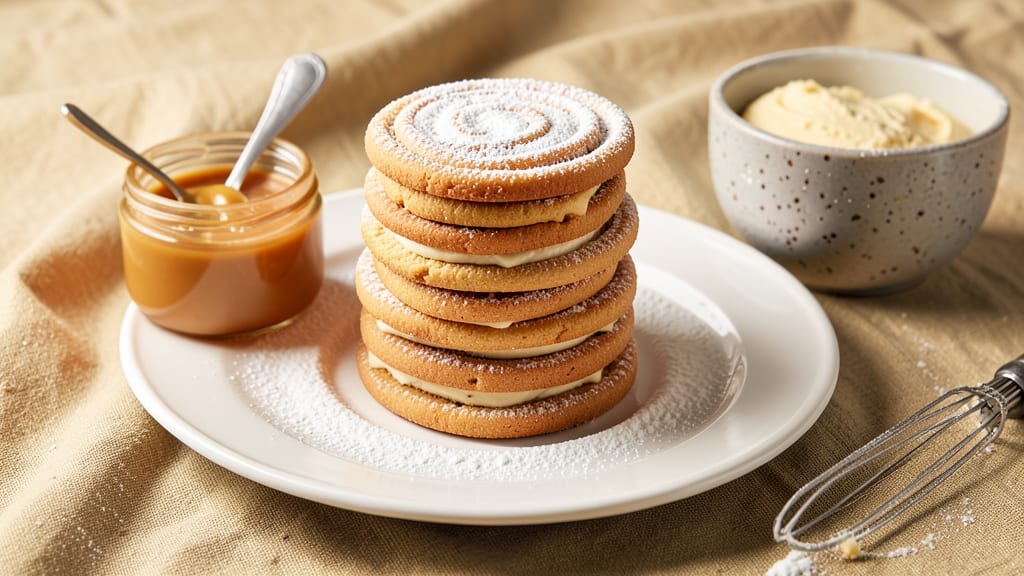
Betty Crocker's rolled sugar cookie recipe delivers that iconic vanilla-infused dough with perfect pipeability and festive charm. The secret lies in precise dough preparation—balancing butter, sugar, and vanilla to create layers that stay tender yet hold their shape when cut.
I’ve refined this classic recipe over years, ensuring every batch achieves that signature crisp edge with a soft, melt-in-your-mouth center. 💛
The process begins with chilling the dough for at least 2 hours, a critical step that prevents spreading and ensures clean cuts when rolling. Using a rolling pin (not your hands) guarantees even thickness, while a sharp cookie cutter delivers crisp edges every time.
This isn’t just a cookie recipe—it’s a technique that transforms simple ingredients into a holiday-worthy masterpiece.
Once baked to a golden hue, these cookies become a blank canvas for creativity. Royal icing or sprinkles elevate them into edible art, but even plain, they’re worth the effort.
The aroma of vanilla and butter filling your kitchen is enough to make anyone believe in magic. Let’s get started on dough that’s as foolproof as it is delicious.
Perfect for holidays, parties, or gifting, these cookies scale effortlessly. Whether you’re piping intricate designs or keeping it simple with classic shapes, the dough’s vanilla-infused richness ensures every bite tastes like nostalgia. Master this recipe once, and you’ll never buy store-bought again.
Ingredients for betty crocker rolled sugar cookie
Classic ingredients transformed into holiday-worthy sugar cookies with iconic vanilla layers.
| Ingredient | Amount | Notes |
|---|---|---|
| Unsalted Butter 🧈 | 1 cup | Cold, cubed for even mixing |
| Granulated Sugar 🍚 | 1 cup | Superfine preferred for smooth dough |
| Light Brown Sugar 🍚 | ½ cup | Packed for moisture balance |
| Pure Vanilla Extract 🍯 | 2 tsp | High-quality, not imitation |
| Large Eggs 🥚 | 1 whole | Room temperature for even mixing |
| All-Purpose Flour 🌾 | 3 ½ cups | Sifted for light texture |
| Baking Powder 🍞 | 1 tsp | Fresh for proper leavening |
| Kosher Salt 🧂 | ½ tsp | Fine grain preferred |
| Ground Nutmeg 🌿 | ¼ tsp | Freshly ground for warmth |
| Powdered Sugar 🍚 | 1 cup | For dusting and decorating |
| Milk 🥛 | 1 tbsp | Optional for dough softness |
| Sprinkles 🌈 | ½ cup | Assorted for festive touch |
The butter and sugars are the foundation—cold butter creates flaky layers while superfine sugar ensures smooth dough. For the best results, use European-style butter like Plugrá or Land O'Lakes Unsalted, which holds its shape better during chilling. The brown sugar adds moisture and chewiness, so don’t substitute white sugar entirely. If you’re short on vanilla extract, vanilla bean paste works beautifully—just use the same amount. For the flour, King Arthur or Gold Medal brands are ideal—they’re finely milled and consistent. The nutmeg should be freshly ground if possible, as pre-ground spices lose potency quickly. If you can’t find it, a pinch of cinnamon adds warmth too.
No vanilla extract? Vanilla bean seeds scraped from a pod (about 1 bean) work perfectly, or almond extract at half the amount for a different but delicious twist. Running out of powdered sugar for decorating? Sifted granulated sugar works in a pinch, though it won’t be as fine. The milk is optional but helps bind the dough—any kind works, but whole milk adds richness. For sprinkles, Jolly Rancher or Wilton are classic choices, but edible glitter or colored sugar can elevate them to edible art. If you’re making these ahead, wrap the dough in plastic wrap and refrigerate for up to 5 days—it actually improves with time as the flavors meld.
This dough must chill for at least 2 hours—no shortcuts—to prevent spreading and ensure clean cuts. Store wrapped dough in the fridge for up to 5 days or freeze for 3 months by wrapping tightly in plastic and foil. Once baked, cookies stay fresh for 5 days in an airtight container, though they’re best enjoyed within 2 days. For gifting, parchment-lined boxes with a dusting of powdered sugar make them feel extra special. The aroma alone will have everyone believing in holiday magic.
Why You'll Love This Recipe
- Foolproof Mixing: I swear by the creamy butter-sugar combo here—just cream, dump, and fold. No standing over a bowl, no over-kneading; the dough comes together in minutes, and the vanilla cuts through the sweetness just right.
- Buttery-Sweet Magic: That perfect balance of granulated and brown sugar? It’s what makes these cookies ridiculously good—they’re crisp on the edges, soft in the middle, and the vanilla makes every bite smell like a bakery.
- Holiday or Snack: Honestly, I make these for everything—Christmas cookies, lunchboxes, or just because. The dough rolls out like a dream, so I can cut stars, trees, or even just circles for a quick treat.
- Dough Stays Fresh: Between us, I’ve had this dough sit in the fridge for days and still come out perfect. No waste, no fuss—just slice, bake, and enjoy. Even my picky kids grab these over store-bought any day.
Step-by-step instructions for Betty Crocker's rolled sugar cookies
Here's how to achieve that classic Betty Crocker texture—tender layers that roll perfectly and hold intricate designs.
👨🍳 Step 1: Cream the Butter and Sugars to Light and Fluffy
In a stand mixer fitted with the paddle attachment, beat the 1 cup unsalted butter (cold, cubed) on medium speed for 1-2 minutes until smooth but not melted. Add the 1 cup granulated sugar and 0.5 cup light brown sugar (packed), mixing continuously for 3-4 minutes until the mixture is light, pale, and fluffy.
You're looking for nearly doubled volume with ribbons forming when the paddle lifts. This creaming process incorporates air that creates those signature tender layers. I press down with a spatula occasionally to ensure even mixing—especially important with cold butter that wants to resist blending.
👨🍳 Step 2: Incorporate Egg, Vanilla, and Dry Ingredients
Add the 1 whole large egg (room temperature) and 2 teaspoons pure vanilla extract, mixing on low speed until fully combined. In a separate bowl, whisk together the 3.5 cups all-purpose flour, 1 teaspoon baking powder, 0.5 teaspoon kosher salt, and 0.25 teaspoon ground nutmeg. Gradually add the dry ingredients to the wet mixture, mixing on low speed just until combined.
This is where precision matters—mix until no flour streaks remain, but avoid overmixing. The dough should form a soft, slightly sticky ball that cleans the sides of the bowl. If it's too dry, add the 1 tablespoon milk (if using) and mix briefly. The dough should hold together when pressed but not be sticky enough to require flour on your hands.
⏰ Step 3: Chill the Dough for Perfect Roll-Out
Shape the dough into a disk, wrap tightly in plastic wrap, and refrigerate for at least 2 hours (or up to 48 hours). Chilling firms the butter, preventing excessive spreading during baking. I like to press the dough flat before wrapping to ensure even thickness—about 1.5 inches thick works well for classic rolled cookies.
Here's the thing—don't skip this step. Warm dough spreads unevenly and often cracks when rolled. The cold dough should be pliable but firm enough to hold its shape when rolled to 1/8-inch thickness. If your kitchen is warm, consider freezing the dough for 30 minutes after the initial chill for extra stability.
🍳 Step 4: Roll and Cut for Professional Results
Preheat your oven to 375°F and line baking sheets with parchment paper. On a lightly floured surface, roll the chilled dough to 1/8-inch thickness. Use a 2.5-inch round cutter for classic cookies, pressing straight down without twisting to maintain even thickness. Transfer cutouts to prepared sheets, spacing them 1 inch apart—they'll spread slightly during baking.
For pipeable cookies, roll the dough to 1/4-inch thickness and pipe shapes using a star tip. I find that working with cold dough prevents the cookies from sticking to the piping bag. Place cut or piped cookies on the baking sheets and immediately sprinkle with the 0.5 cup sprinkles while they're still cold—this ensures the sprinkles adhere perfectly.
🔥 Step 5: Bake to Golden Perfection
Bake for 8-10 minutes until edges are just beginning to turn golden but centers still look slightly underdone. The cookies should be set but not browned—overbaking makes them dry. Rotate the baking sheets halfway through for even baking. Let cookies cool on the sheets for 5 minutes before transferring to a wire rack to prevent cracking.
While cooling, prepare the 1 cup powdered sugar glaze by whisking with 1-2 teaspoons milk until smooth. Dip the cooled cookies halfway into the glaze and place on a wire rack to set completely. The result should be tender, slightly crisp edges with that signature rolled sugar cookie texture that holds intricate designs beautifully.
Pro Tips For Making Betty Crocker Rolled Sugar Cookie
- CHILL THE DOUGH: That Betty Crocker recipe calls for rolling out dough right away? Don’t. Refrigerate the dough for at least 30 minutes before handling—it’ll hold its shape better and save you from sticky, crumbly frustration. I learned this the hard way when my first batch turned into a sad, flat pancake instead of cute cookies.
- CREAM THE BUTTER RIGHT: The recipe says "softened butter," but I’ve found 65°F is the sweet spot—cold enough to hold shape when rolled, but warm enough to mix smoothly with sugars. Use a thermometer if you’re picky (I’m not), or just press your finger in: if it leaves a slight indent, you’re golden. Overworked butter = tough cookies.
- WEIGH THE SUGARS: Granulated and brown sugar look identical, but those little volume differences add up. Use a kitchen scale for the brown sugar—pack it lightly but firmly, or your cookies will spread like pancakes. (Yes, I’ve seen it happen.) For granulated, a standard scoop works, but don’t tap the measuring cup—just level it off.
- ROLL UNIFORM THICKNESS: The recipe’s silent on thickness, but ⅛-inch is your friend—any thicker, and the centers stay doughy. Use a rolling pin with measurement markers (or tape one on) and rotate the dough occasionally for even pressure. And for heaven’s sake, keep it chilled—warm dough = sad cookies. (I’ve cried over this.)
Serving suggestions for betty crocker rolled sugar cookie
Classic Presentation
For a timeless look, arrange freshly baked cookies on a white marble slab or wooden board dusted with powdered sugar. Add gold leaf flakes or edible glitter for an elegant touch—perfect for holiday gatherings.
I like to stack them in three-tiered stands with parchment paper between layers to keep them crisp. 💫
Royal Icing Decor
Prepare royal icing by mixing 2 cups powdered sugar, 1.5 tablespoons meringue powder, and 2-3 tablespoons milk until stiff peaks form. Pipe borders, swirls, or write messages with a Wilton #2 tip.
For a glossy finish, brush cookies with clear apricot jam before icing sets. Let dry completely on parchment-lined racks.
Sprinkle Masterpieces
Use assorted sprinkles to create themed designs—rainbow for birthdays, red/green for Christmas, or pastels for baby showers. Press sprinkles onto cold, piped dough before baking so they adhere.
For extra flair, mix luster dust into icing for a shimmery effect. I love using Wilton's jimmies for a nostalgic touch.
Cookie Gift Boxes
Store cookies in parchment-lined boxes with a ribbon tie for gifting. Add a handwritten tag with the recipe name and date. For bulk orders, use cellophane bags with tissue paper to prevent crushing. I always include a small jar of extra sprinkles as a bonus—it’s a crowd-pleaser!
Warm Serving Tips
Serve cookies warm with a dash of vanilla ice cream or whipped cream for a decadent treat. For a cozy vibe, arrange them on a cast-iron skillet with a candle in the center. Keep a small bowl of milk nearby—it’s the perfect pairing for their buttery richness.
Make-Ahead Display
Prep cookies a day ahead and store in airtight containers separated by parchment. Reheat in a 200°F oven for 3-5 minutes before serving to restore freshness. For a rustic look, place them on burlap runners with fresh rosemary sprigs as garnish.
The aroma alone will make your kitchen feel like a holiday bakery! ✨
Nutrition facts
Frequently asked questions
Why does the dough need to chill for so long?
The 2-hour chill is crucial for preventing spreading and ensuring clean cuts. Cold butter firms up, creating those signature crisp edges while keeping centers tender. Skipping this step often results in cookies that flatten too much or crack when rolled. For extra stability in warm kitchens, chill the dough an additional 30 minutes after the initial rest.
Can I substitute butter with margarine?
For best results, stick with unsalted butter—it adds flavor and creates those flaky layers. Margarine lacks the fat content needed for proper texture. If you must substitute, use European-style butter (like Plugrá) as it holds its shape better during chilling. Never use melted butter—it defeats the purpose of cold dough.
How do I fix dough that's too sticky?
If your dough feels too sticky, add 1 tablespoon flour at a time until it holds together when pressed. Overworking it will develop gluten, making cookies tough. For extra insurance, chill the dough 15-20 minutes longer—cold temperatures help absorb excess moisture. If it's still sticky after adding flour, your kitchen may be too warm; try refrigerating it 30 minutes before rolling.
What's the best way to store leftover dough?
Wrap the dough tightly in plastic wrap and refrigerate for up to 5 days or freeze for 3 months. For freezing, flatten the dough slightly before wrapping to save space. Thaw in the fridge overnight before rolling. Never refreeze thawed dough—it loses texture. To revive, let dough sit at room temperature for 10-15 minutes before rolling.
Can I make these cookies gluten-free?
Gluten-free versions require substitutions like almond flour or gluten-free 1:1 baking flour, but texture will differ—expect crumblier cookies. For a closer match, use a blend with xanthan gum. Reduce baking time to 7-8 minutes as gluten-free dough bakes faster. Test with a small batch first, as ratios may need adjustment.