
Desserts
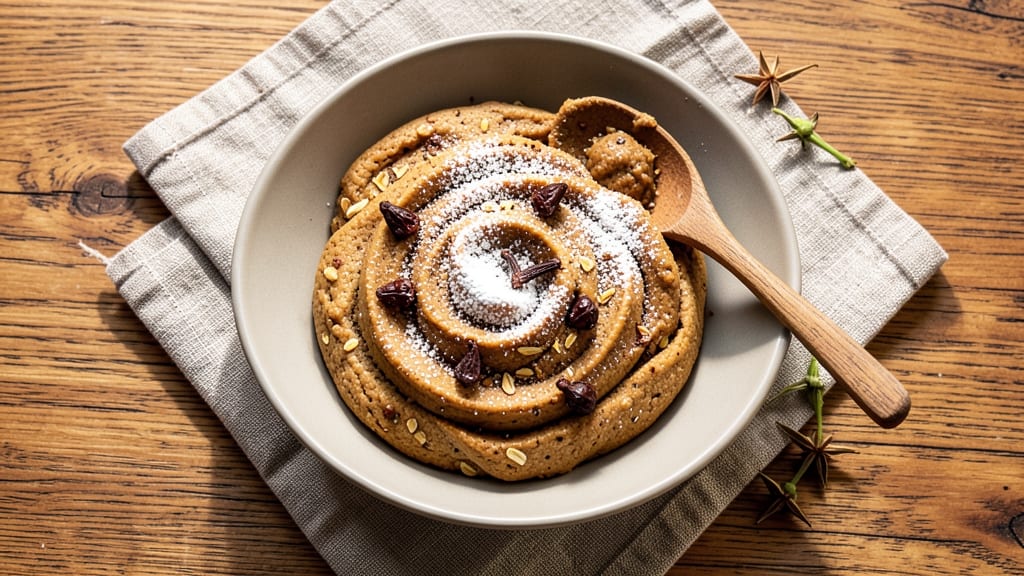
This German gingerbread cookies recipe delivers the perfect balance of molten spice and crunchy oat magic that defines traditional Lebkuchen.
What sets these apart is the careful blend of warming spices—cinnamon, cloves, and cardamom—paired with a touch of molasses for depth, all baked into a cookie that’s both tender and sturdy enough to hold intricate decorations. I’ve baked these for holiday markets and family gatherings, and they never disappoint.
The secret lies in the dough’s texture: rolled thin but sturdy, allowing for crisp edges and a slightly chewy center. German bakers often use a mix of flour and oats, which gives these cookies their signature rustic crunch while keeping them rich and flavorful.
Unlike softer gingerbread, these hold their shape beautifully, making them perfect for cutting into stars, hearts, or traditional gingerbread house pieces.
Once baked, the aroma of warm spices fills the kitchen, and the cookies develop a caramelized crust that’s irresistible. The molasses adds a subtle sweetness that balances the bold ginger flavor, while the oats provide just enough texture to keep them interesting.
These aren’t just cookies—they’re a taste of German holiday tradition, and they’re worth every minute of prep.
Whether you’re decorating them with icing or keeping them simple with a dusting of powdered sugar, these cookies are a showstopper. Pair them with a cup of spiced chai or mulled wine for the full experience. Let’s get baking!
Ingredients for german gingerbread cookies
Pantry staples meet German tradition—warm spices, molasses, and oat crunch for cookies that taste like holiday magic.
| Ingredient | Amount | Notes |
|---|---|---|
| All-Purpose Flour 🌾 | 3 cups | Sifted for light texture |
| Old-Fashioned Rolled Oats 🥣 | 1 cup | Blended into fine powder |
| Ground Ginger 🌿 | 2 tbsp | Freshly ground preferred |
| Ground Cinnamon 🌶️ | 1 ½ tbsp | Toasted for deeper flavor |
| Cardamom Pods 🌿 | 1 tsp | Lightly crushed, seeds only |
| Ground Cloves 🌶️ | ½ tsp | Freshly ground preferred |
| Unsalted Butter 🧈 | ½ cup | Cold, cubed for cutting |
| Dark Brown Sugar 🍚 | 1 cup | Packed firmly |
| Molasses 🍯 | ¼ cup | Unsulphured preferred |
| Large Eggs 🥚 | 2 whole | Room temperature |
| Pure Vanilla Extract 🍯 | 1 tsp | High-quality preferred |
| Diamond Crystal Kosher Salt 🧂 | ½ tsp | Fine grain preferred |
| Powdered Sugar 🍚 | 2 cups | For dusting and icing |
| Heavy Cream 🥛 | ¼ cup | For optional royal icing |
The spices are non-negotiable here. Penzeys or Spicewalla for cardamom and cloves—those brands keep their potency. If you're using whole spices, toast them lightly in a dry pan first (just until fragrant). The molasses should be unsulphured—that's the secret to authentic depth. For the oats, Bob's Red Mill old-fashioned works best, but any rolled oats will do. Blend them into a fine powder in your food processor—this gives those cookies their signature rustic crunch. And grab the darkest brown sugar you can find; the deeper the color, the richer the flavor.
No cardamom? Allspice at half the amount gets you close, though it's not the same. Short on molasses? Maple syrup works in a pinch, but it'll be sweeter. The butter needs to be cold—take it out of the fridge 20 minutes before mixing so it's soft but not melted. For the royal icing, Mering Powder (like Smucker's) makes it foolproof. And if you're decorating, gel food coloring keeps the icing from getting too runny. Pro tip: Roll the dough between two sheets of parchment paper—it keeps everything clean and prevents sticking.
Dough keeps for 5 days in the fridge, wrapped tightly in plastic. The baked cookies? 1 week in an airtight container at room temperature, or freeze for 3 months between layers of parchment. I like to portion the dough into golf-ball-sized pieces before baking—weigh each piece at 1.5 oz for consistency. And if you're making these ahead for holiday markets, bake them a day in advance—they develop even more flavor as they sit.
Why You'll Love This Recipe
- No Mixer Needed: I swear by this recipe when my hands are full—just smash the oats and flour together with a fork. The rolled oats add texture without extra work, and the dough stays soft enough to roll out fast. (Yes, even on a Tuesday night.)
- Spiced Warmth in Every Bite: That cardamom? It’s the secret weapon—earthy and bright, cutting through the ginger’s kick. The cinnamon rounds it out, so you get cozy warmth without cloying sweetness. Honestly, my coffee tastes better after one.
- Holiday or Snack Attack: These disappear at Christmas markets but work just as well with afternoon tea. Freeze half the batch for last-minute gifts, or stash them in the pantry for when you crave something nostalgic. (They’re my go-to for teacher gifts—always a hit.)
- Budget-Friendly Pantry Magic: Flour, oats, and spices? You’re probably already stocked. A single batch costs me pennies but feels like a treat. And because they keep for weeks, I’m not scrambling to buy more—just reheat and enjoy.
Step-by-step instructions for German gingerbread cookies
Here's how to craft these rich, spiced cookies with a perfect crunchy oat exterior and tender center.
Blend the Oats and Prepare the Dry Ingredients
First things first—pulse the 1 cup of old-fashioned rolled oats in a food processor until you get a fine powder, about 30 seconds. This ensures those oats blend seamlessly into the dough for that signature crunchy texture. Transfer the oat powder to a large mixing bowl.
In the same bowl, whisk together the 3 cups of all-purpose flour, 1.5 tbsp of ground cinnamon, 2 tbsp of ground ginger, 1 tsp of lightly crushed cardamom pods, and 0.5 tsp of ground cloves. Sift in the 0.5 tsp of diamond crystal kosher salt and mix again. I like to use a whisk here to break up any clumps and make sure the spices are evenly distributed throughout the flour. This dry blend is the flavor foundation of your cookies, so take your time getting it right.
Cream the Butter and Brown Sugar
In a separate bowl, combine the 0.5 cup of cold, cubed unsalted butter with the 1 cup of packed dark brown sugar. Using a hand mixer or stand mixer, beat on medium speed for 2-3 minutes until the mixture is light and fluffy. You're looking for a pale, airy texture that nearly doubles in volume. This creaming process incorporates air, which helps create those beautiful crackly tops and tender crumb.
Add the 0.25 cup of molasses and 1 tsp of pure vanilla extract, mixing on medium until fully combined. The molasses will give your cookies that deep, caramel-like flavor that's so characteristic of German gingerbread. If you're using unsulphured molasses, you'll notice a richer, more complex taste compared to sulphured varieties.
Combine Wet and Dry Ingredients
Gradually add the dry ingredient mixture to the wet mixture, mixing on low speed until just combined. Be careful not to overmix—you should still see some flour streaks. Once incorporated, add the 2 whole large eggs, one at a time, mixing well after each addition. The dough should come together into a thick, slightly sticky mass. If it's too dry, add 1-2 teaspoons of heavy cream to help bind it.
Here's a pro tip: I like to press the dough together with my hands to ensure everything is well incorporated. The dough should be soft but manageable, not too sticky to work with. If it's too sticky, chill it for 15 minutes before proceeding. This step is crucial for getting that perfect balance of texture in your final cookies.
Shape and Chill the Dough
Divide the dough into 16 equal portions (about 2 tablespoons each) and roll each portion into a ball. Place the balls on a parchment-lined baking sheet, spacing them about 2 inches apart. Cover the baking sheet with plastic wrap and refrigerate for at least 1 hour, or up to 24 hours. Chilling the dough is essential—it helps the flavors meld and prevents the cookies from spreading too much in the oven.
While the dough chills, preheat your oven to 350°F. The longer you chill the dough, the more intense the gingerbread flavor will become. I often make the dough the night before and bake fresh the next day. The resting time allows the spices to infuse more deeply into the dough, resulting in a more complex flavor profile.
Bake to Golden Perfection
Once the dough is well chilled, place the baking sheet in the preheated oven and bake for 12-15 minutes. You're looking for cookies that are golden brown around the edges but still slightly soft in the center. They'll continue to firm up as they cool. Rotate the baking sheet halfway through baking to ensure even cooking.
Remove the cookies from the oven and let them cool on the baking sheet for 5 minutes before transferring them to a wire rack. While they're still warm, dust the tops generously with the 2 cups of powdered sugar. For an extra touch, you can also pipe a simple royal icing using the 0.25 cup of heavy cream and a bit more powdered sugar if desired. These cookies are best enjoyed fresh from the oven, but they'll keep well in an airtight container for up to 5 days.
Pro Tips For Making German Gingerbread Cookies
- Toast the Oats: Spread rolled oats on a baking sheet and bake at 325°F for 8–10 minutes until golden and fragrant. This deepens their flavor and prevents them from turning to mush in the dough—trust me, the texture difference is night and day.
- Crush Cardamom Pods: Don’t use pre-ground cardamom—crack open the pods with a mortar and pestle or the flat side of a knife for a brighter, fresher aroma. The pods release oils that ground powder misses, and it’s easier than you’d think.
- Chill the Dough: Wrap the dough in plastic and refrigerate for at least 2 hours (or overnight). This firms it up for cleaner cuts and prevents the cookies from spreading too much—no more sad, flat discs.
- Rotate the Pan: Swap the baking sheets halfway through baking. The oven’s hot spots will bake them evenly, and you’ll avoid the classic "one side is burnt, the other’s raw" disaster. Yes, it’s a pain, but it’s worth it.
Wine and beer pairings for this recipe
Spiced Red Wine
The warm, molasses-forward flavors of these gingerbread cookies pair beautifully with a German Spätburgunder (Pinot Noir) from the Mosel region. Look for a 2020 Dr. Loosen Blue Slate—its earthy notes and subtle spice complement the cardamom and cloves perfectly.
The wine’s acidity cuts through the richness of the molasses while enhancing the cookie’s ginger warmth. Serve slightly chilled to highlight the wine’s bright fruitiness against the caramelized crust. 🍷
Mulled Wine
For a cozy, holiday twist, serve these cookies with homemade mulled wine—a classic German pairing. Simmer 1 bottle of dry Riesling with 2 cinnamon sticks, 4 whole cloves, 1 star anise, and ¼ cup orange juice for 20 minutes.
The wine’s citrus notes brighten the molasses, while the spices mirror the cookie’s flavor profile. Strain and serve warm in small glasses for an elegant touch. The contrast of warm wine and crisp cookies is pure magic. 🔥
Spiced Beer Pairing
A German Dunkelweizen like Weihenstephaner Hefeweissbier Dunkel brings malty depth and a hint of banana that balances the cookie’s spice. The beer’s slight sweetness softens the ginger’s bite, while its effervescence cleanses the palate between bites.
For a lighter option, try a Berliner Kindl Weisse with a shot of ginger syrup—the tartness and spice create a refreshing contrast. 🍺
Non-Alcoholic Options
For a festive non-alcoholic pairing, serve these cookies with sparkling apple cider like Martinelli’s Gold. The crisp acidity and apple notes echo the molasses and vanilla in the cookies, while the bubbles keep the experience lively.
Alternatively, a spiced chai latte with vanilla syrup and a dash of cinnamon enhances the gingerbread’s warmth without overpowering it. 🍎
Creamy Cheese Pairing
Add a German Tilsiter cheese (aged 6-8 months) to your spread—its nutty, slightly tangy flavor contrasts beautifully with the sweet-spiced cookies. The cheese’s firm texture pairs well with the cookies’ crunch, while its mild sharpness cuts through the molasses. Serve with honey-drizzled walnuts for a crunchy, savory-sweet balance. 🧀
Nutrition facts
Frequently asked questions
Why do German gingerbread cookies need oats?
The oats create that signature crunchy texture while keeping the cookies sturdy enough for intricate decorations. When blended into a fine powder, they distribute evenly throughout the dough, giving each bite a satisfying contrast between the tender center and crisp edges. Traditional German recipes use oats to mimic the rustic texture of Lebkuchen from market stalls.
Can I make these cookies without molasses?
Yes, but the flavor will be less authentic. Substitute with maple syrup (¼ cup) or dark corn syrup for a similar depth, though molasses provides that distinctive caramel-like richness. For a sweeter profile, add 1 extra tablespoon of brown sugar to compensate. The molasses also helps balance the bold spices, so reduce cinnamon by ¼ teaspoon if using a sweeter substitute.
How do I prevent my cookies from spreading too much?
Chill the dough for at least 1 hour (or up to 24 hours) before baking—this firms up the fat and prevents excessive spreading. Use 1.5 teaspoons of baking powder (not included in the recipe) for extra lift, and bake on the middle rack of a 350°F oven. For thicker cookies, flatten the dough balls slightly before baking or reduce the oven temperature to 325°F for 15-18 minutes.
What’s the best way to store these cookies?
Keep them in an airtight container at room temperature for up to 5 days, separated by parchment paper to prevent sticking. For longer storage, freeze the baked cookies between layers of parchment for up to 3 months. Thaw at room temperature—no need to reheat. The flavor actually improves over time as the spices meld further, making them perfect for holiday gifting.
Can I make these gluten-free?
Yes, but texture may vary. Replace the 3 cups flour with a 1:1 gluten-free baking blend (like Bob’s Red Mill) plus 1 extra teaspoon xanthan gum. For the oats, use certified gluten-free rolled oats. Expect cookies that are slightly denser but still flavorful. Bake at 325°F for 14-16 minutes to avoid over-browning. Test batches first, as gluten-free flours absorb moisture differently.