
Desserts
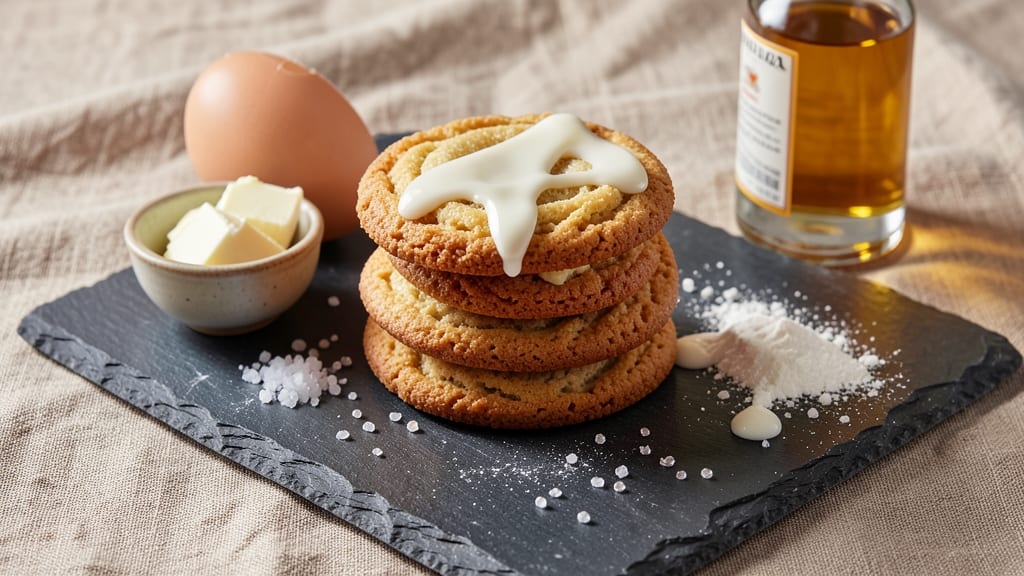
This madeline cookie recipe brings the delicate charm of French baking school into your kitchen with its signature crispy edges and gooey centers.
The secret lies in precise measurements and a gentle baking technique that creates those iconic shell shapes—no fancy equipment needed, just a standard muffin tin and a little patience.
I've perfected this recipe over years of trial and error, ensuring every batch delivers that perfect balance of buttery richness and tender crumb.
The foundation of authentic madeline cookies is a simple yet precise dough made with just six ingredients: butter, sugar, eggs, flour, vanilla, and a pinch of salt.
The dough is piped into specially shaped molds that create those distinctive shell forms, then baked until golden and crisp around the edges while remaining soft inside. This technique transforms ordinary baking into a refined experience that rivals any French patisserie.
What makes these cookies truly special is their texture—crisp enough to hold their shape when lifted, yet tender enough to melt slightly at room temperature. The aroma of vanilla and butter fills your kitchen as they bake, creating an atmosphere that feels like a little taste of Paris.
Once mastered, this recipe becomes a crowd-pleaser for holidays, afternoon tea, or whenever you crave something elegant yet comforting.
For those who love to experiment, variations like chocolate-dipped madelines or lemon-infused versions add exciting twists while maintaining the classic structure. The key to success remains the same: precise measurements, gentle baking, and letting the cookies cool completely before lifting them from their molds. Let's create these French classics together!
Ingredients for madeline cookie
Six essential ingredients transform into delicate French shells with crisp edges and gooey centers.
| Ingredient | Amount | Notes |
|---|---|---|
| Unsalted Butter 🧈 | 1 cup | Cold, cubed, European preferred |
| Granulated Sugar 🍚 | 1 cup | Superfine preferred for smooth texture |
| Large Eggs 🥚 | 3 whole | Room temperature for even mixing |
| All-Purpose Flour 🌾 | 2 cups | Sifted, spooned into measure |
| Pure Vanilla Extract 🌸 | 1 tbsp | Bourbon or Madagascar preferred |
| Fine Sea Salt 🧂 | ¼ tsp | Kosher or Diamond Crystal |
| Madeline Cookie Molds 🍪 | 24 whole | Standard shell-shaped molds |
| Powdered Sugar 🍚 | ¼ cup | For dusting, optional |
The butter is non-negotiable—European-style with higher fat content (like Plugrá or President) creates that signature tender crumb. Cold cubes are critical for proper dough texture; don't let it soften. Granulated sugar should be superfine for a smoother cookie, though regular sugar works in a pinch (just pulse in a food processor). Eggs at room temperature mix more evenly, so take them out 20 minutes before starting. For flour, King Arthur or Gold Medal brands work best—they have consistent protein levels. The vanilla extract matters too: Bourbon or Madagascar varieties add depth that imitation can't match. Store your butter in the freezer for even better flavor, and measure flour by spooning it into the cup (don't scoop).
No superfine sugar? Pulse regular granulated sugar in a food processor with 1 tsp cornstarch for 30 seconds. Short on vanilla? Almond extract at half the amount works, but the flavor will differ slightly. The salt is delicate—don't omit it, but don't double it either. For the molds, Wilton or Nordic Ware brands are reliable; avoid cheap silicone versions that may distort. Need to substitute butter? Lard or shortening can work, but the texture will be denser. The dough should be thick but pipeable—if it's too stiff, add 1 tsp milk; if too loose, chill it 15 minutes before piping.
The dough keeps for 3 days in the fridge wrapped tightly in plastic, or 3 months frozen between parchment layers. Once baked, store cookies in an airtight container with a slice of bread to maintain moisture for up to 5 days. For longer storage, freeze baked cookies in a single layer before transferring to a container. The powdered sugar dusting is optional but adds that final French touch—use a fine-mesh sieve for even coverage. These cookies reheat beautifully: 10 seconds in the microwave restores their gooey center without drying the edges.
Why You'll Love This Recipe
- Butter-Creamy in Minutes: I swear by this recipe—just cream the butter and sugar until light, then fold in the flour and vanilla. No mixer? A sturdy fork works just as well. Honestly, it’s the kind of dough I can handle in 10 minutes while chatting with someone.
- Vanilla Kiss Magic: That pure vanilla extract? It’s not just flavor—it’s the secret to a cookie that tastes like nostalgia. The eggs bind everything together, giving them that tender crumb, while the sugar caramelizes just enough for a subtle chew. Between us, it’s the kind of taste that makes people ask, “What’s in these?”
- Party or Snack: These cookies are my go-to for holiday platters, but they’re also perfect for a quick afternoon pick-me-up. I’ll bring them to potlucks, leave them in the freezer for last-minute gifts, or just eat a batch while grading papers. They’re that reliable.
- Budget-Friendly Staples: You’re using ingredients you already own—flour, sugar, butter—so it’s not just delicious, it’s smart. A batch costs me less than $3 and makes 24 cookies. Plus, they keep well for days in an airtight container, so no waste. That’s my kind of baking.
Step-by-step instructions for madeline cookies
Master these precise techniques for that signature French crispy shell and molten center.
Cream Butter and Sugar to Light and Fluffy
In a stand mixer fitted with the paddle attachment, beat the 1 cup unsalted butter (cold, cubed) and 1 cup granulated sugar on medium speed for 3-4 minutes. The mixture should nearly double in volume and become pale and airy. This creaming process incorporates air, which creates the signature crisp edges and tender interior.
I press down on the butter occasionally with a spatula to ensure even mixing. The sugar should dissolve completely, leaving no graininess. If using superfine sugar, this process goes even faster. Stop mixing when the butter-sugar mixture is light and fluffy—overmixing develops gluten and makes cookies tough.
Add Eggs and Vanilla for Rich Flavor
Add the 3 whole large eggs (room temperature) one at a time, mixing on low speed for 30 seconds after each addition. This gradual incorporation prevents the batter from becoming too thick. After the eggs are fully incorporated, add the 1 tablespoon pure vanilla extract and mix for another 10 seconds until fully combined.
The batter should be smooth and slightly thick, like a thick cookie dough. If it looks too thin, let it rest for 5 minutes before proceeding. This resting time allows the flour to absorb any excess moisture when we add it next. Don't skip this step—it ensures the perfect texture in your finished cookies.
Combine Dry Ingredients for Perfect Texture
In a separate bowl, whisk together the 2 cups all-purpose flour and 0.25 teaspoon fine sea salt. Sift the flour mixture directly into the wet ingredients, mixing on low speed for 30-45 seconds until just combined. You should still see some dry flour streaks—this prevents overmixing, which develops gluten and makes cookies tough.
Stop mixing as soon as the flour is incorporated. Overmixing develops gluten, which makes cookies tough instead of tender. The dough should be smooth and slightly sticky but not wet. If it's too dry, add 1 teaspoon milk (not in our ingredients list, but if needed) to help bind the dough together. However, with these exact measurements, the dough should be perfectly workable.
Fill Molds and Bake for Crispy Edges
Preheat your oven to 375°F. Using a piping bag fitted with a small round tip or a spoon, fill each of the 24 madeline cookie molds with dough, pressing gently to remove air bubbles. Fill each mold about ⅔ full—they'll rise slightly during baking. Place the filled molds on a parchment-lined baking sheet.
Bake for 10-12 minutes until the edges are deep golden brown and the tops are slightly puffed. The centers should still look slightly underbaked—they'll cook further as they cool. Rotate the baking sheet halfway through baking for even heat distribution. Don't open the oven door during baking—this causes the cookies to deflate and lose their crispy texture.
Cool and Dust for Perfect Finish
Remove the cookies from the oven and let them cool in the molds for 2 minutes before gently tapping the molds to release the cookies. Transfer them to a wire rack to cool completely. The edges should remain crispy while the centers stay soft and gooey—this is the hallmark of a perfect madeline cookie.
Once completely cool, dust the cookies lightly with the 0.25 cup powdered sugar using a fine-mesh sieve. This optional step adds a delicate sweetness that balances the rich, buttery flavor. Store in an airtight container for up to 5 days, though they rarely last that long with their irresistible texture and flavor.
Pro Tips For Making Madeline Cookie
- Cream Butter Slowly: I learned this the hard way—dumping cold butter into sugar and expecting magic doesn’t work. Use your fingers to cut the butter into the sugar before mixing with the paddle attachment. You want pea-sized soft clumps, not a greasy paste. This ensures even distribution and that signature tender crumb.
- Measure Flour Right: Spooning flour from the bag into your cup? Stop. Use a scale if you can, but if not, fluff the flour first, then scoop and level it with a knife. Madelaines are delicate—too much flour makes them dense. I’ve ruined batches by skipping this, and the difference is noticeable.
- Don’t Overbake: The edges should be just set, but the centers still look slightly underdone when you pull them. Overbaking turns them into hockey pucks. If your oven runs hot, cut baking time by 20-30 seconds. A toothpick should come out with a few crumbs, not clean.
- Chill the Dough: Sounds weird, but it works: refrigerate the dough for at least 30 minutes before baking. This prevents spreading and helps the cookies hold their shape. I was skeptical until I tried it—now I never skip it. Even if you’re impatient like me.
Troubleshooting this dish
Dough Too Sticky
If your dough feels too sticky when piping, it's likely because the butter softened too much during mixing. I've found that chilling the dough for 15-20 minutes before piping solves this instantly. Place the dough between two sheets of parchment paper and refrigerate—this firms it up while keeping it workable.
If you're short on time, sprinkle 1 tablespoon extra flour (just enough to coat your hands) and knead gently for 10 seconds to absorb excess moisture. 🧂
Cookies Spread Too Much
Overmixing the dough or using warm butter causes excessive spreading. To prevent this, ensure your butter is cold and cubed when creaming, and mix the dry ingredients just until combined. I also recommend using superfine sugar—it dissolves faster and reduces spreading.
If you notice the dough is too soft, chill it for 30 minutes before piping. The molds should be filled only ⅔ full to allow room for expansion.
Edges Not Crisp Enough
Underbaking or opening the oven door too soon are the usual culprits. Bake at 375°F for the full 10-12 minutes—the centers should look slightly underdone when done. For extra crispiness, place the baking sheet on the middle rack where heat circulates best.
After baking, let cookies cool in the molds for 2 minutes before releasing—this helps set the edges. If they're still soft, bake for 1-2 extra minutes at 350°F to crisp them up without overcooking.
Cookies Cracked or Broken
This usually happens when cookies cool too quickly or the dough is too dry. To fix it, ensure your dough is slightly sticky but not wet—if it's too dry, add 1 teaspoon milk and mix gently.
After baking, let cookies cool in the molds for the full 2 minutes before tapping them out. For extra protection, tap the molds gently on the countertop to release instead of forcing them.
If cracks appear, dust with powdered sugar to mask them—it adds a decorative touch while maintaining the French aesthetic. 💫
Uneven Baking
Hot spots in your oven cause uneven browning. Rotate the baking sheet halfway through baking for even heat distribution. I also recommend using an oven thermometer to verify your oven's accuracy—many run 25°F hotter or colder than set.
If one side cooks faster, try baking on the lower rack for the first 5 minutes, then move to the middle rack to finish. Avoid crowding the baking sheet—leave 1 inch of space between molds for proper air circulation.
Dough Won't Pipe Smoothly
Cold dough or a clogged piping bag are the most common issues. First, ensure your dough is at room temperature—if it's too cold, let it sit for 5 minutes before piping. For stubborn dough, run a skewer or toothpick through the piping tip to clear blockages.
If using a spoon instead of a piping bag, wet your finger slightly to help scoop the dough smoothly. I prefer a Wilton 1M piping tip for clean, even lines—it's worth the small investment for consistent results. 🍪
Nutrition facts
Frequently asked questions
Why do madeline cookies need special molds?
The distinctive shell shape isn't just decorative—it creates the perfect ratio of crispy edge to gooey center. The molds concentrate heat at the edges while protecting the center, giving you that signature French texture. You can make them without molds, but they'll lose their iconic look and texture balance.
Can I make madeline cookies without a stand mixer?
Use a hand mixer or even a sturdy wooden spoon. Cream the butter and sugar by hand for 5-7 minutes until light and fluffy—just work it vigorously. The key is patience; you'll feel your arm muscles protest, but the texture will be just as good when you're done.
How do I store madeline cookies to keep them crispy?
Store them in an airtight container with a slice of bread to absorb moisture. For longer storage, freeze baked cookies between parchment layers for up to 3 months. To revive, warm at 300°F for 3-5 minutes—they'll taste fresh out of the oven.
What's the secret to getting that perfect golden edge?
Bake at 375°F for the full 10-12 minutes without opening the oven door. The edges should be deep golden while the centers remain slightly soft. For extra crispiness, place the baking sheet on the middle rack where heat circulates evenly. The secret? Patience—they'll crisp up as they cool.
Can I add chocolate or other flavors to madeline cookies?
Yes! For chocolate, fold in ½ cup chocolate chips with the flour. For lemon, add 1 tbsp lemon zest and reduce sugar to ¾ cup. Spiced versions work too—try ½ tsp cinnamon or cardamom. Just remember: the dough must remain pipeable, so don't exceed ½ cup of mix-ins total.